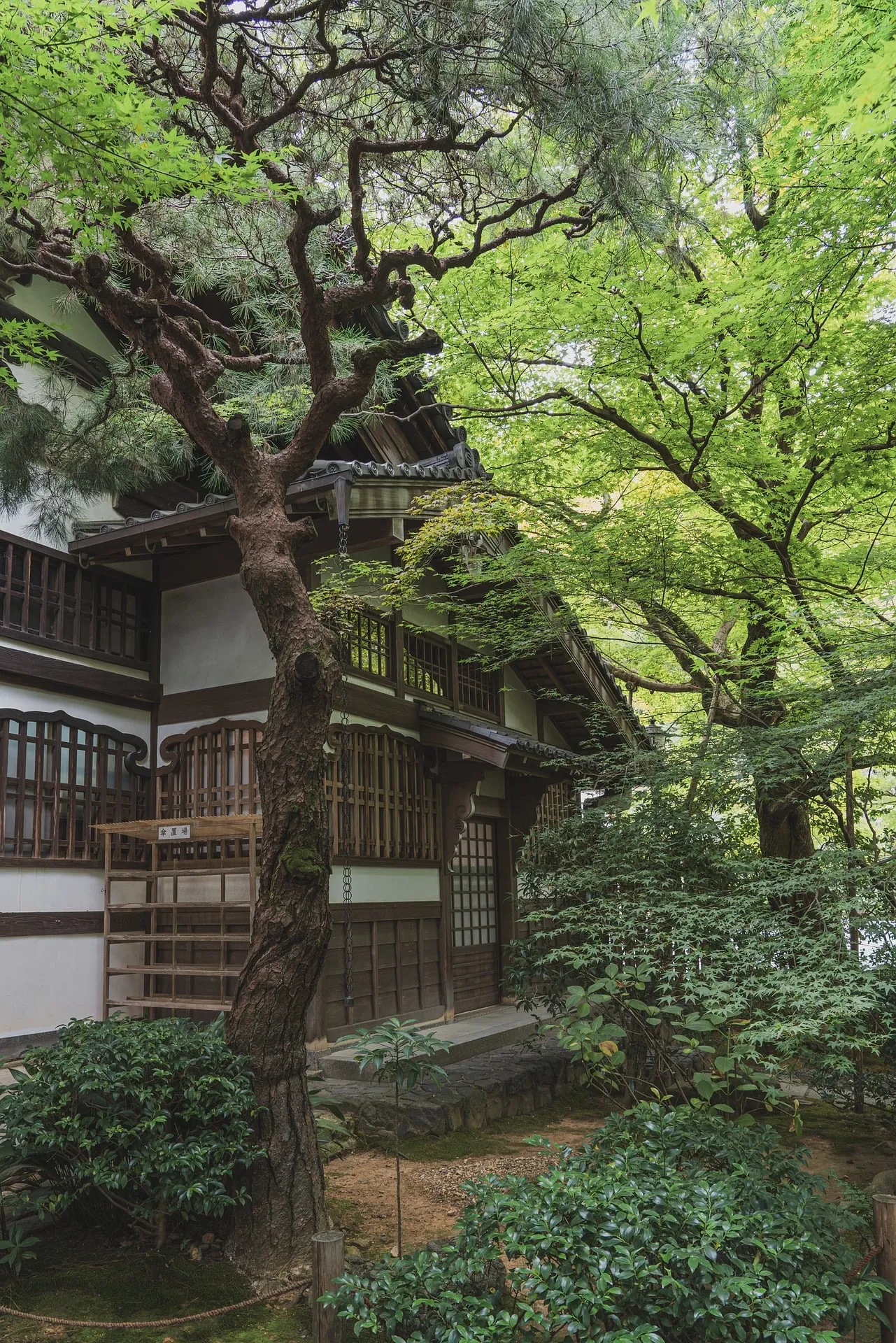
For more than a thousand years Kyoto was where Japan's emperors lived. The city today is a set of layers: a grid plan from the 8th century, temples from many eras, and an ordinary modern city in between.
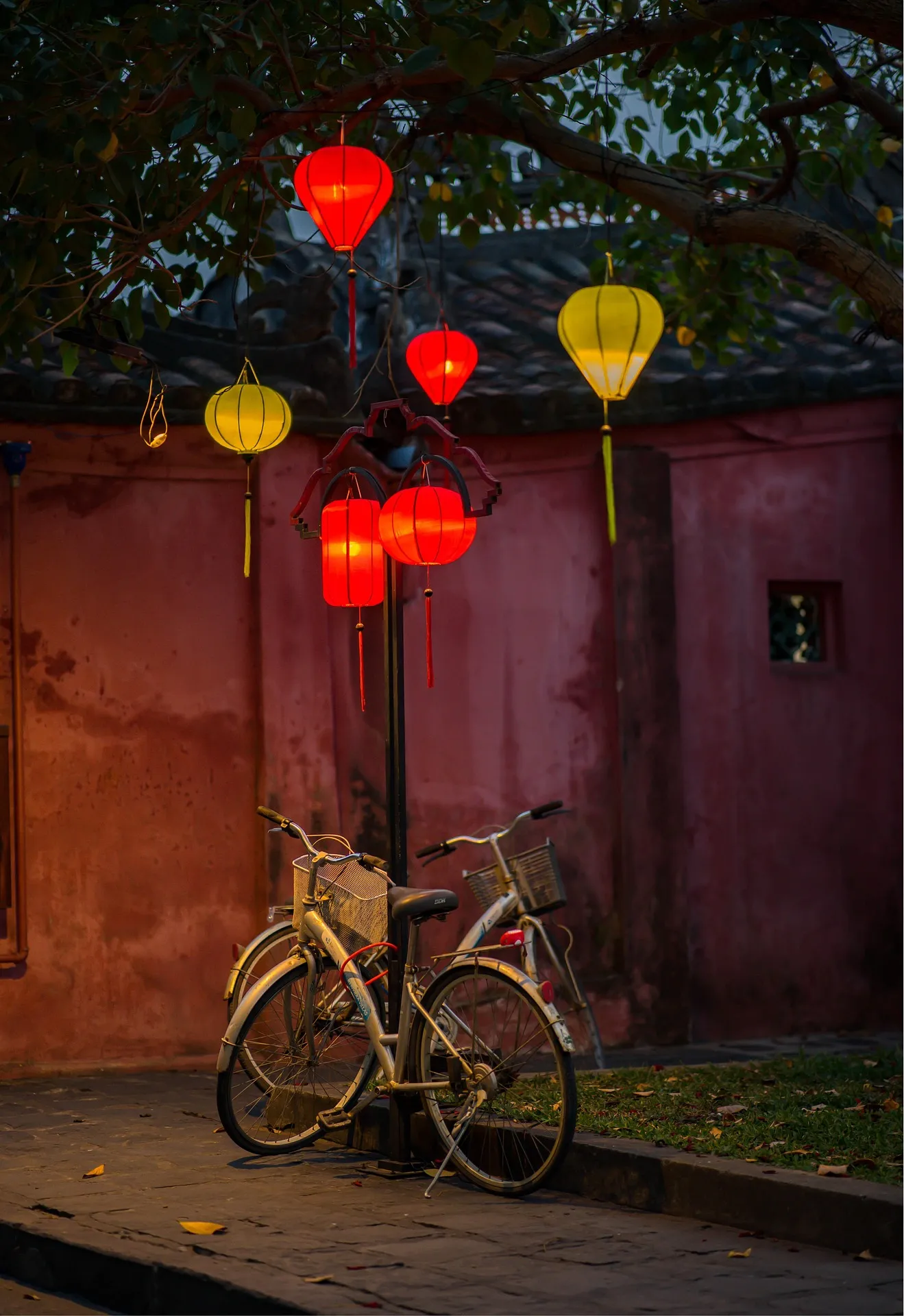
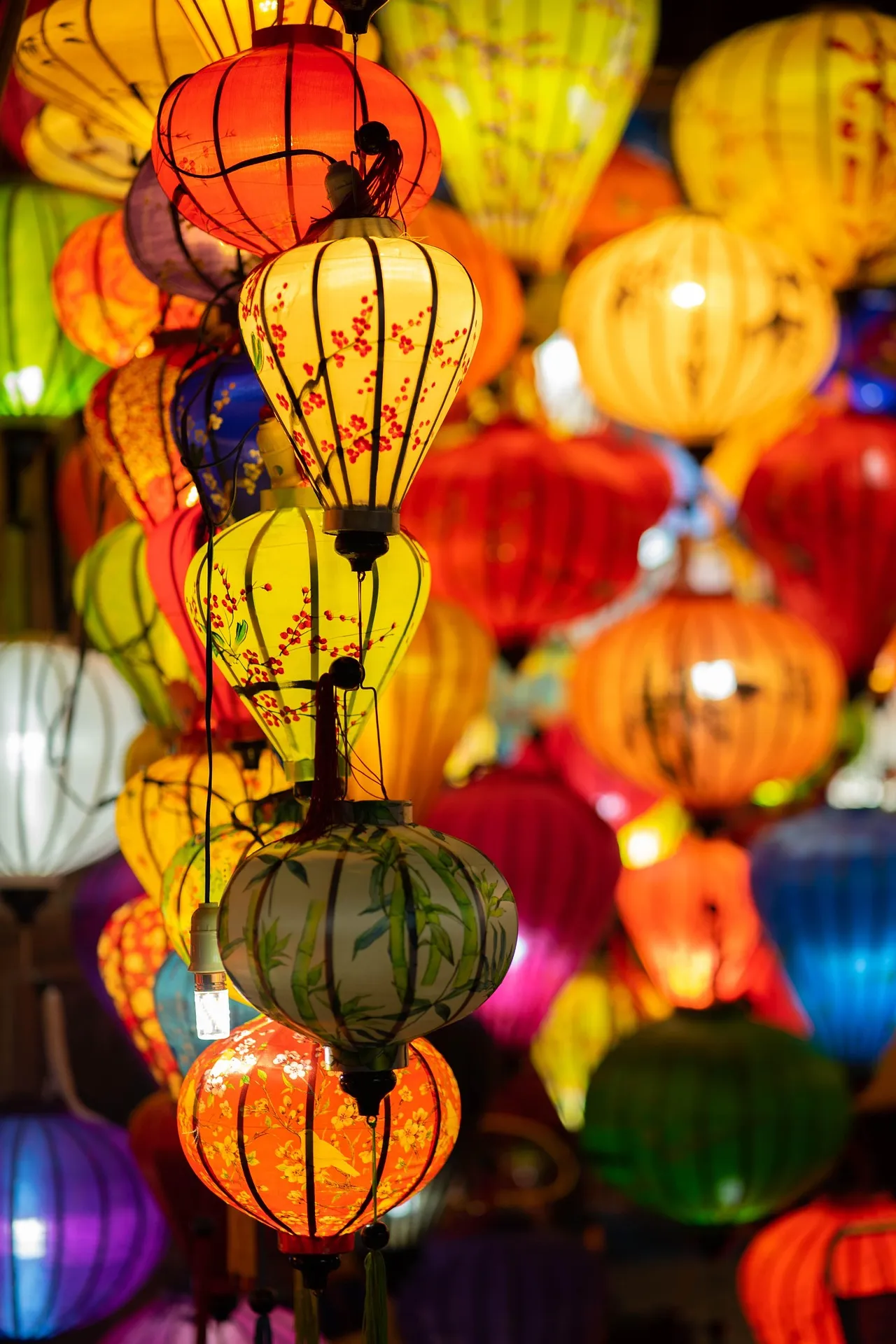
Before it was a lantern-lit old town, Hội An was a river port where Champa, Japanese, Chinese and European traders passed through. How trade built the town, and how the end of trade preserved it.
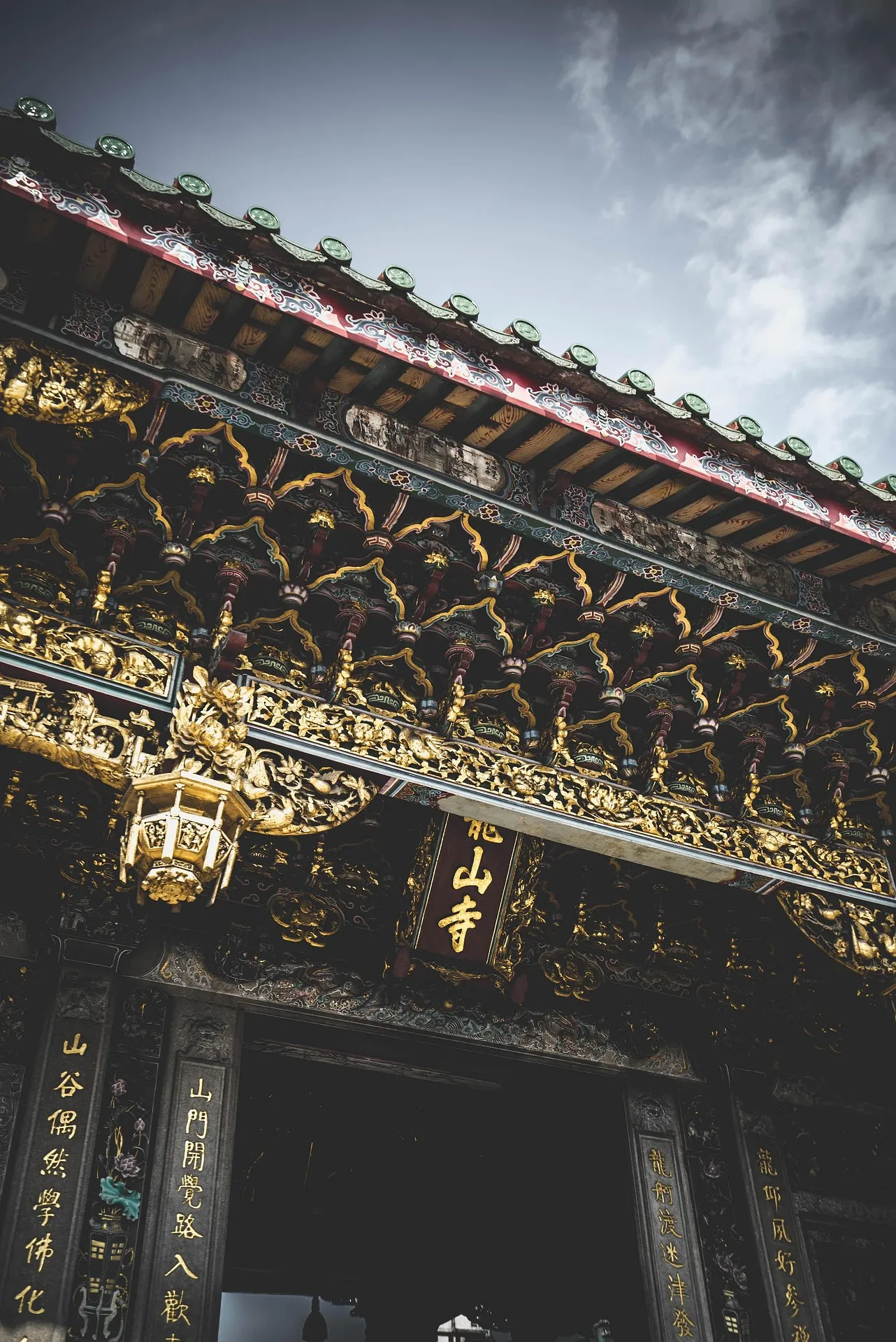
Taiwan's oldest city was its capital for more than two centuries. Today it is known for temples on almost every street, slow afternoons and food that leans a little sweet.
Silk lanterns in Hội An, rows of red lanterns in Kaohsiung, a single red lantern outside a Japanese bar. The same object carries very different messages.
Kyoto has Buddhist temples and Shinto shrines side by side, and each has its own small customs. Knowing a few of them makes a visit calmer for everyone.
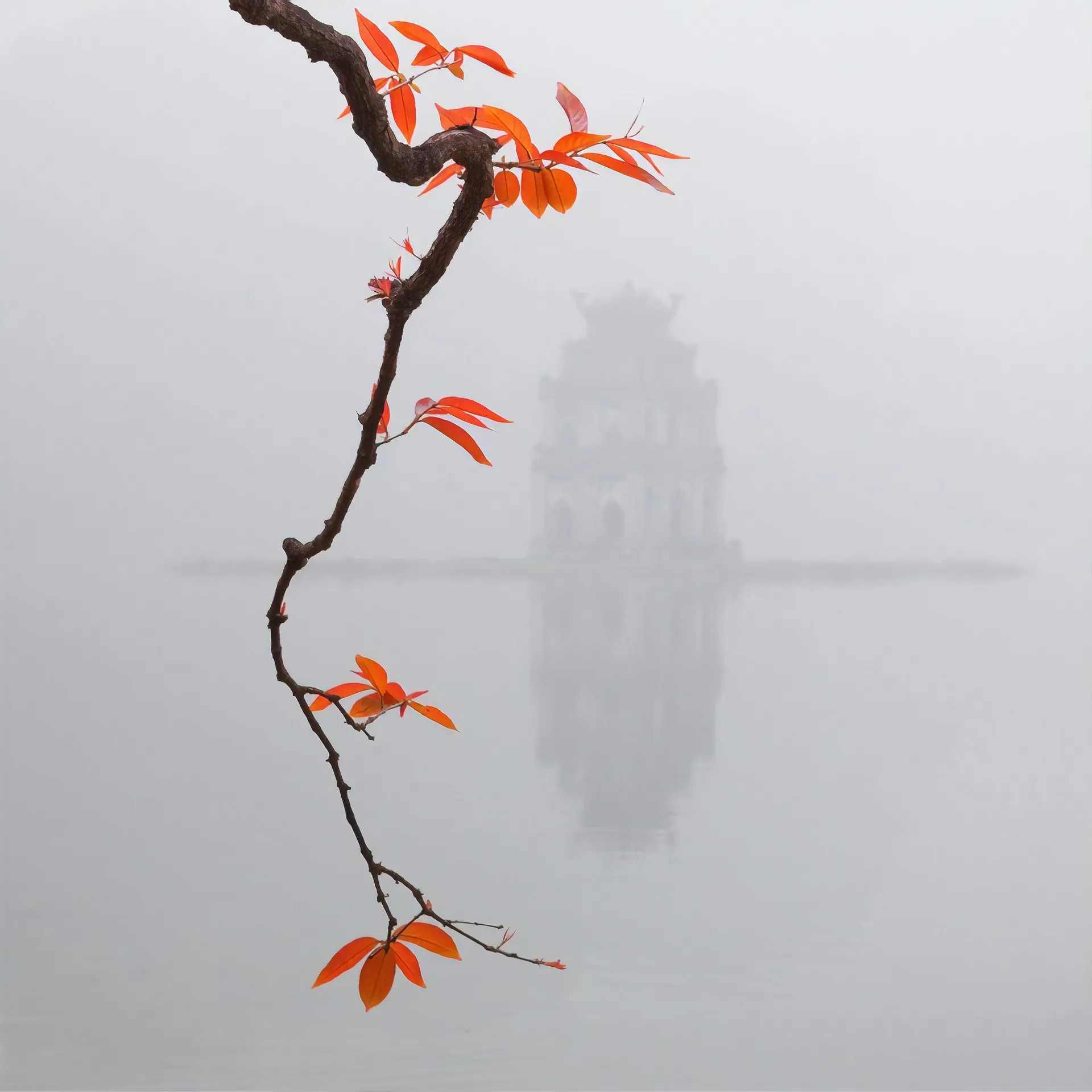
A city built on a bend of the Red River, shaped by lakes, guild streets and four distinct seasons. A short profile of Vietnam's capital and what gives it its particular character.
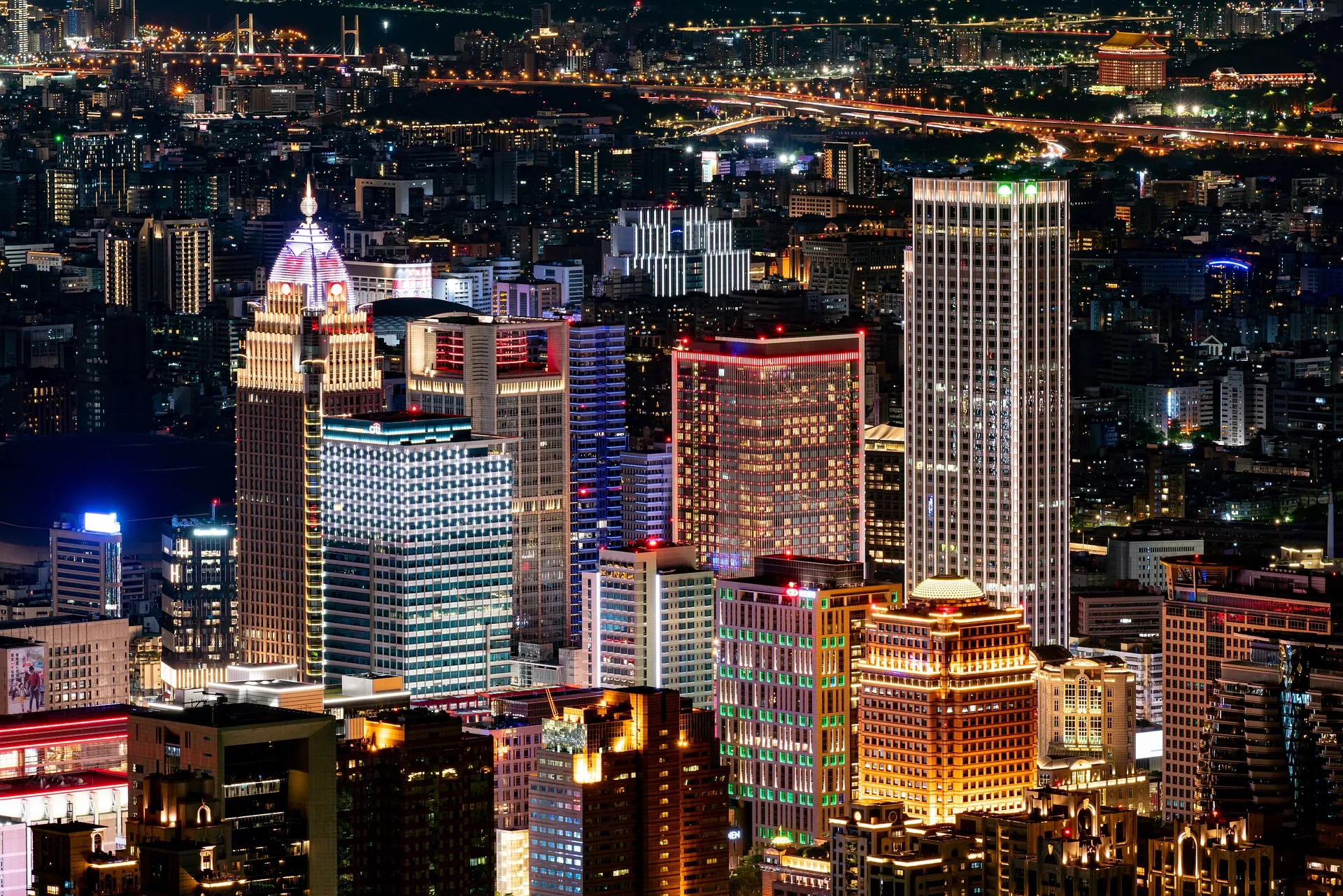
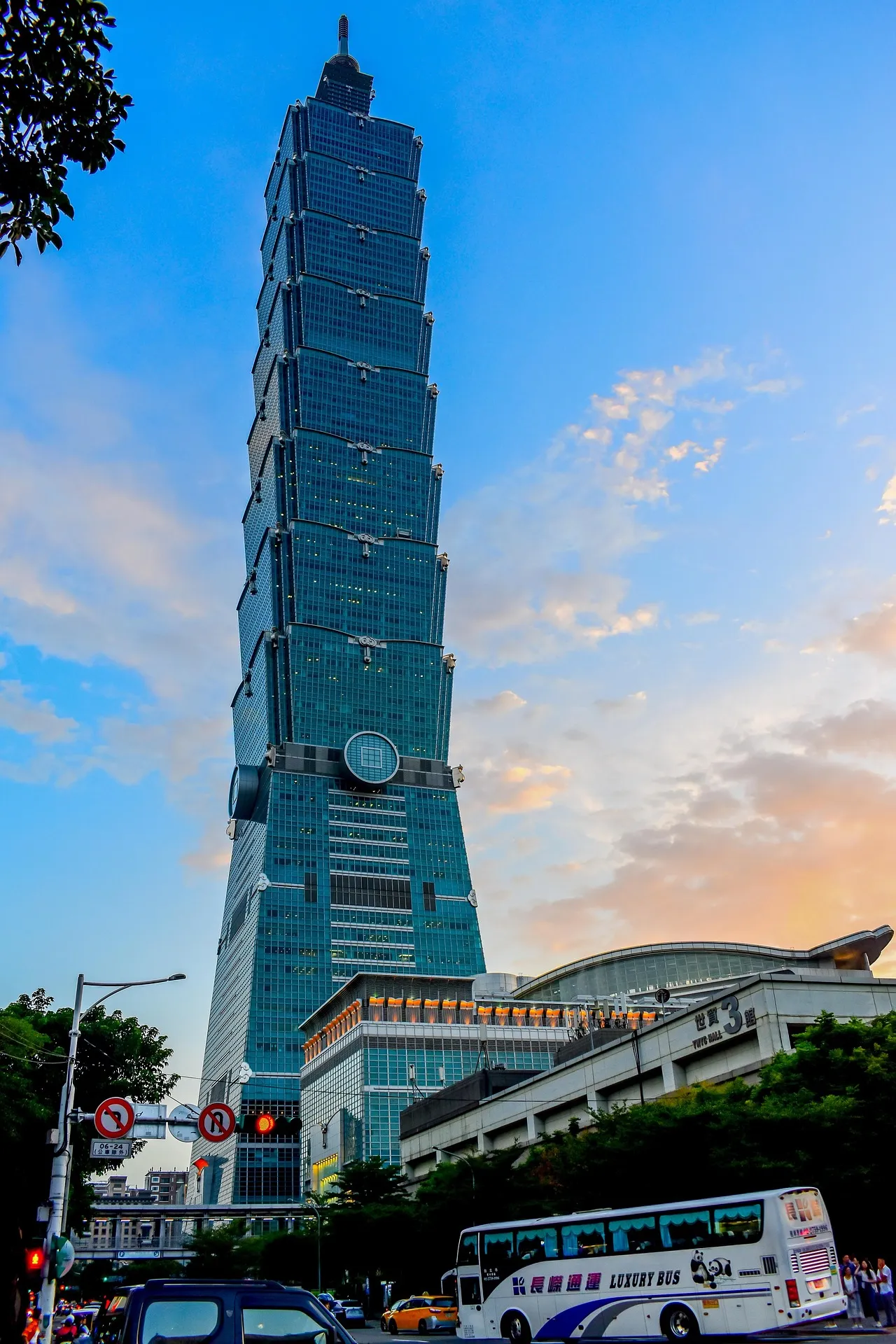
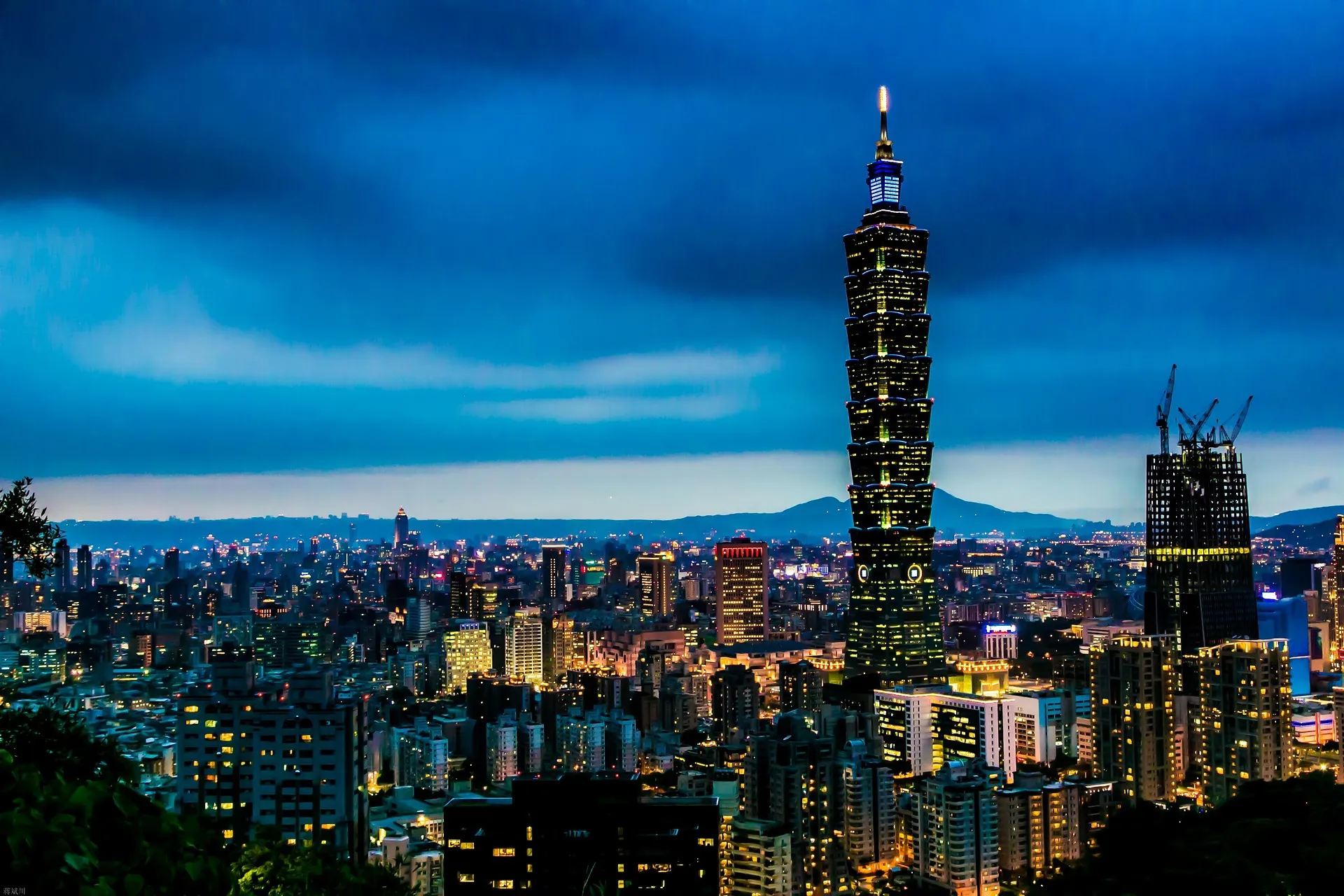
Taipei sits in a basin ringed by mountains, and each part of the city holds a different chapter of its history: old river ports in the west, a colonial-era centre, and a glass-and-steel east.
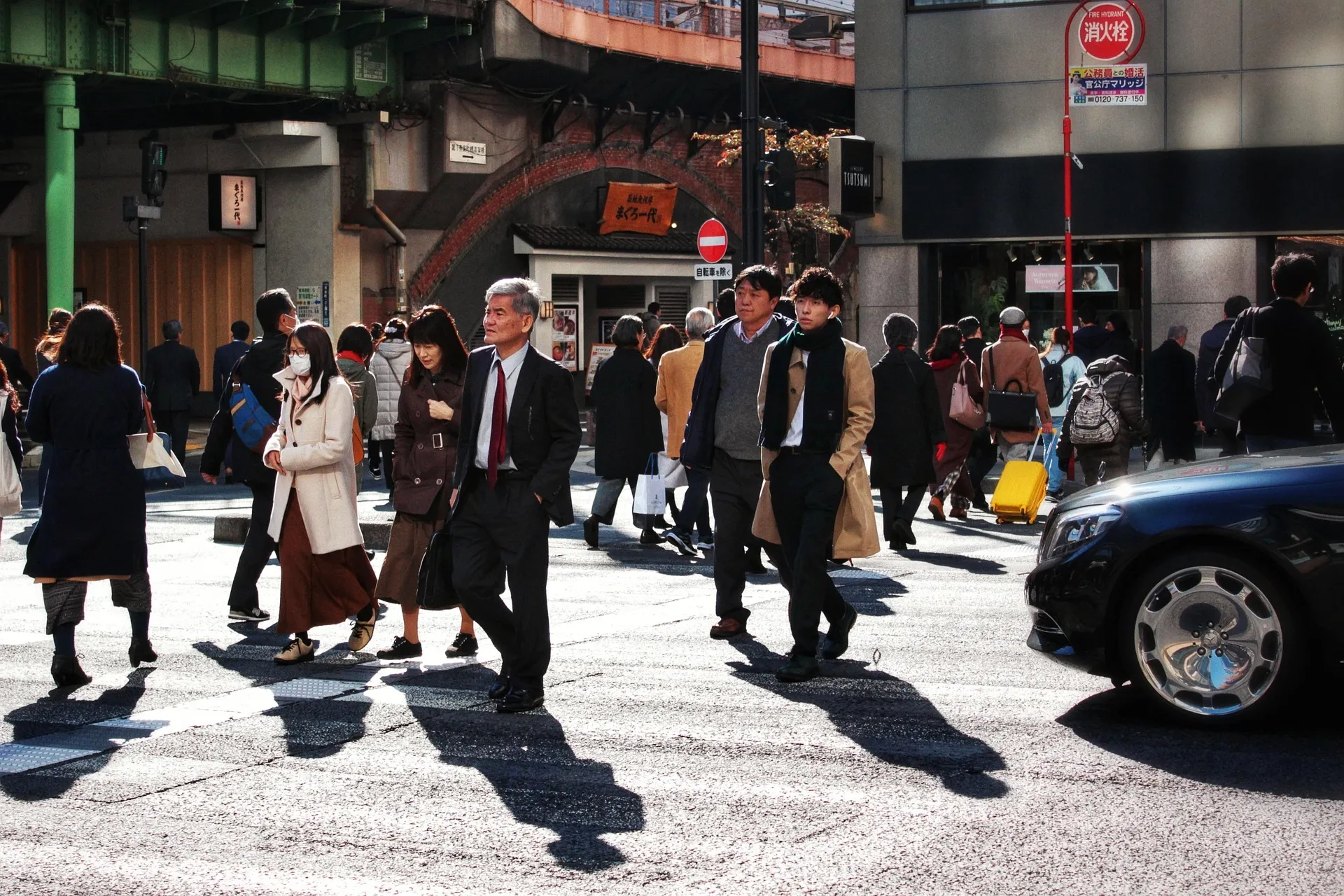
Tokyo has no single downtown. It is a ring of districts, each with its own station, mood and history, held together by trains. A short profile of how the city grew and how to read it.