
Temples and shrines in Kyoto: a short guide to etiquette
Kyoto has Buddhist temples and Shinto shrines side by side, and each has its own small customs. Knowing a few of them makes a visit calmer for everyone.
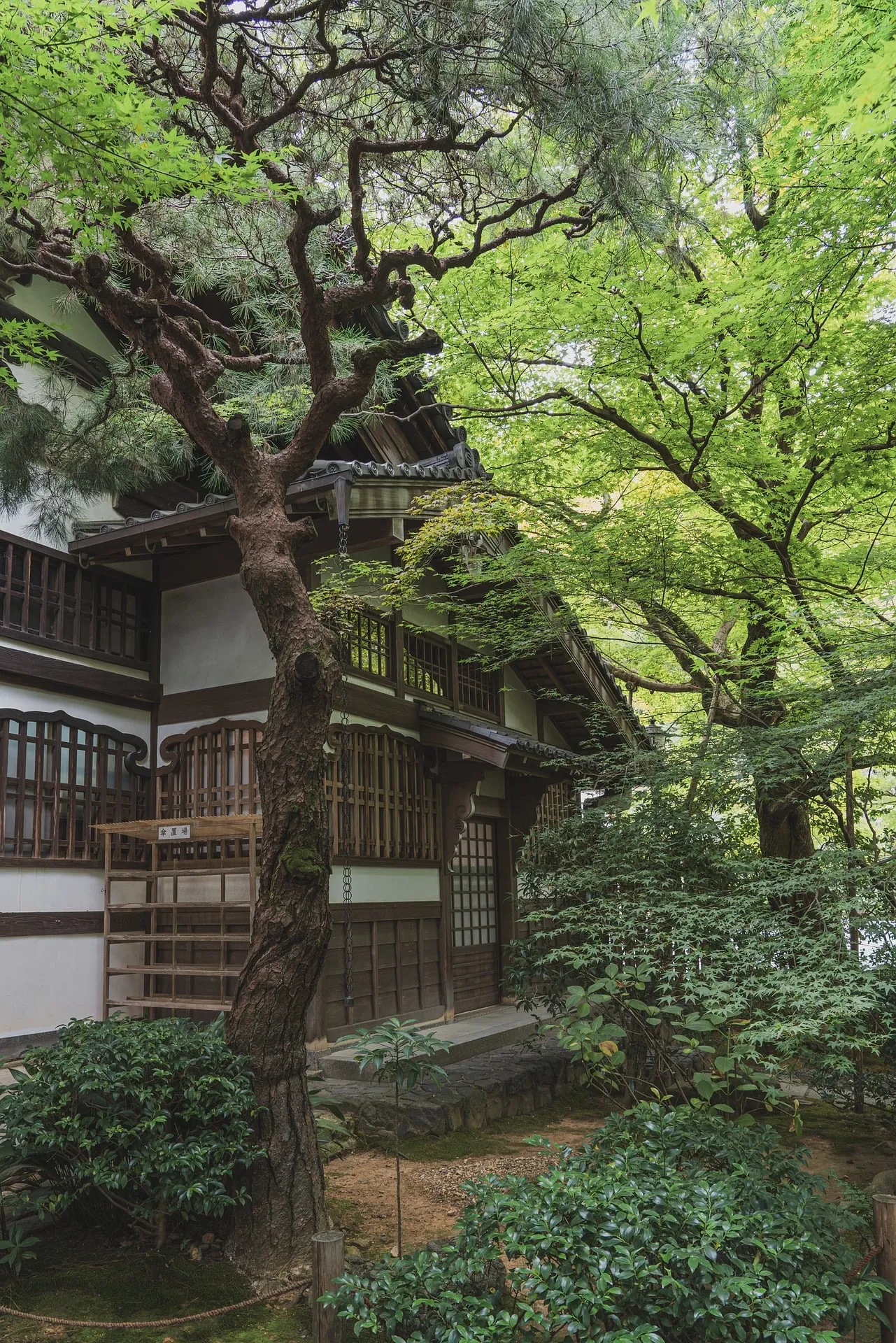
Kyoto was Japan's imperial capital for more than a thousand years, and it shows: the city has well over a thousand temples and shrines. For a visitor, the first useful thing to know is the difference between the two.
Temple or shrine?
- Temples (tera, names often ending in -ji) are Buddhist. You will see incense burners, statues of the Buddha and halls with wooden floors.
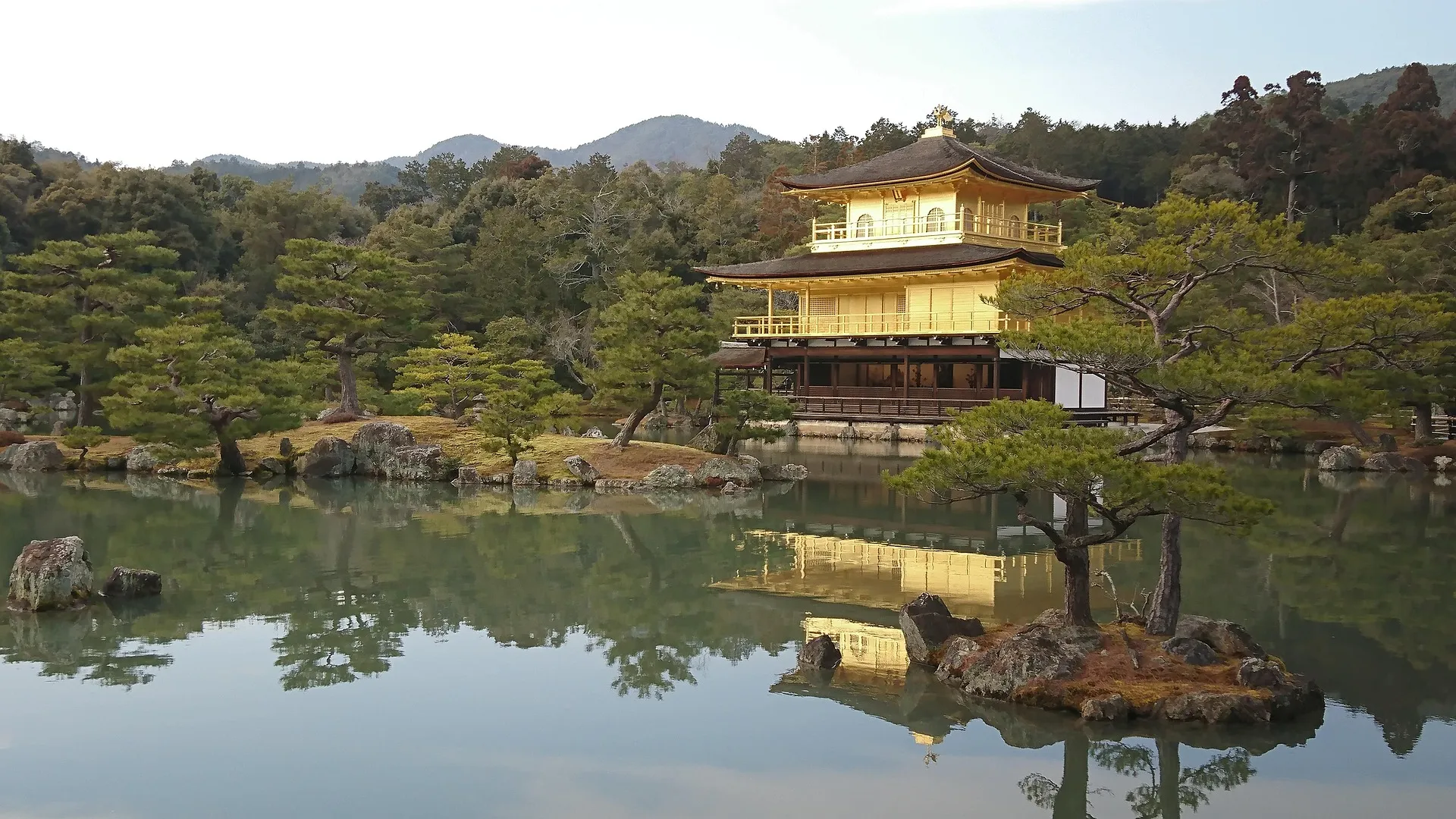
- Shrines (jinja) belong to Shinto. The easy sign is the torii gate at the entrance.
At a shrine
Bow lightly before passing under the torii, and try to walk along the side of the path; the centre is traditionally kept for the deity. At the water basin, rinse your left hand, then your right, then pour a little water into your cupped hand to rinse your mouth, without touching the ladle to your lips. At the main hall, the common form of prayer is two bows, two claps, one bow.
At a temple
Do not clap. A quiet bow, hands together, is enough. If there is an incense burner, people often waft the smoke towards themselves. Many halls ask you to take off your shoes, so socks without holes are a good idea.
Everywhere
- Follow the signs about photography, especially inside halls.
- Keep your voice down; these are places of worship first.
- Gardens such as the rock garden at Ryōan-ji are meant for sitting and looking, not for a quick photo and leaving.
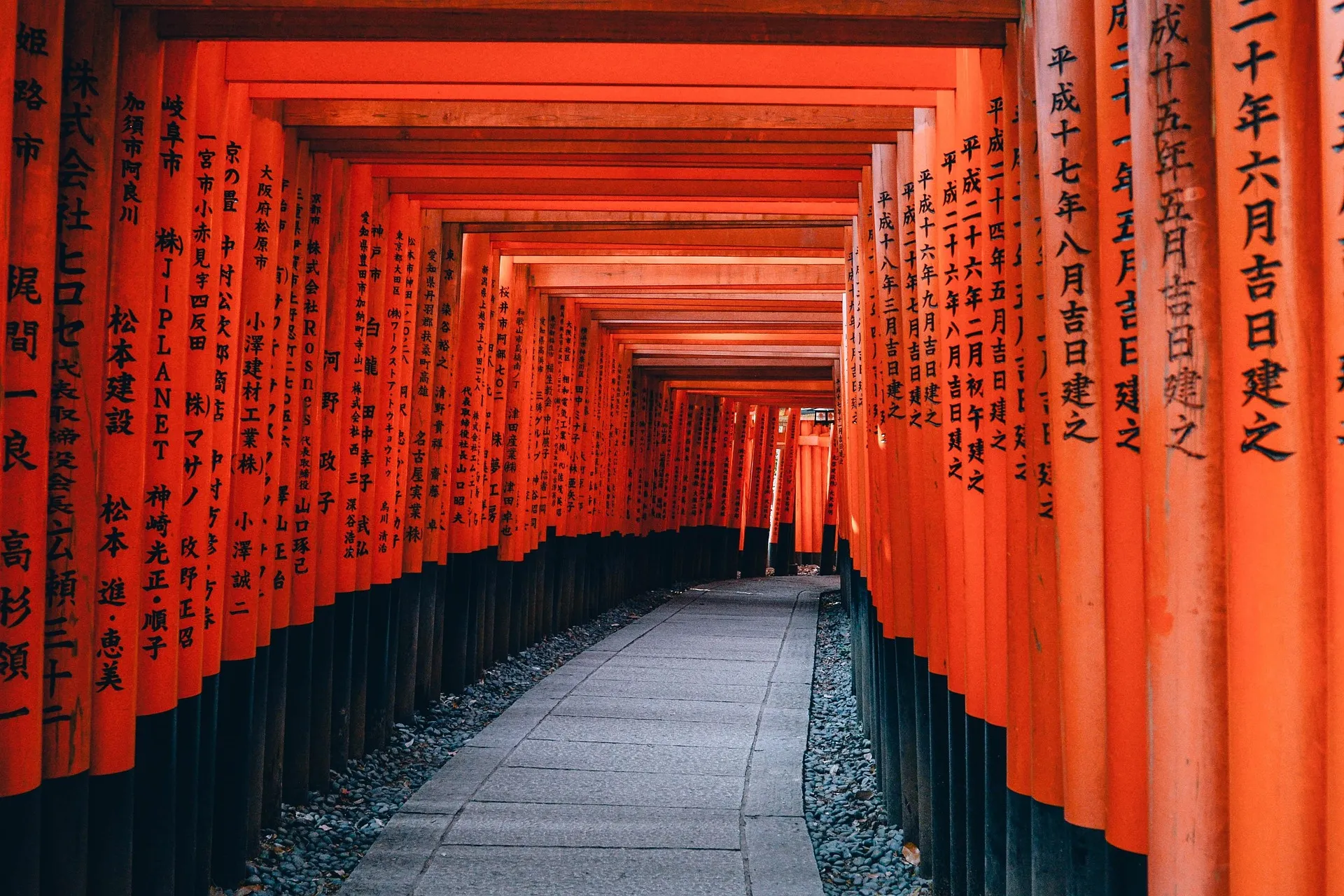
- Go early. Famous places like Kinkaku-ji, the Golden Pavilion, are busiest from late morning.
None of this needs to be perfect. People notice care more than precision, and a little attention goes a long way.
Photos: chiemseherin, zitarzheng, pexels on Pixabay, used under the Pixabay Content License. These are not my photographs.
Related

1 min readTravel
Views: 4Hà Giang: notes for a first trip north
Vietnam's northernmost province is all limestone, switchbacks and river canyons. A few things worth knowing before you go.
2 min readTravel
Views: 1Transport cards in Taiwan and Japan: the one thing to buy first
A rechargeable transport card saves time on trains, buses and even at the convenience store. A quick explainer for Taiwan and Japan.
2 min readTravel
Views: 0A slow walk around Hoàn Kiếm Lake
The small lake at the heart of Hanoi is the easiest way into the city: a legend, a temple, an old quarter next door, and a walk anyone can do.
2 min readTravel
Views: 0Planning around cherry blossom season in Japan
Cherry blossoms are beautiful and brief, and their timing changes every year. How to plan a trip around them without being disappointed.