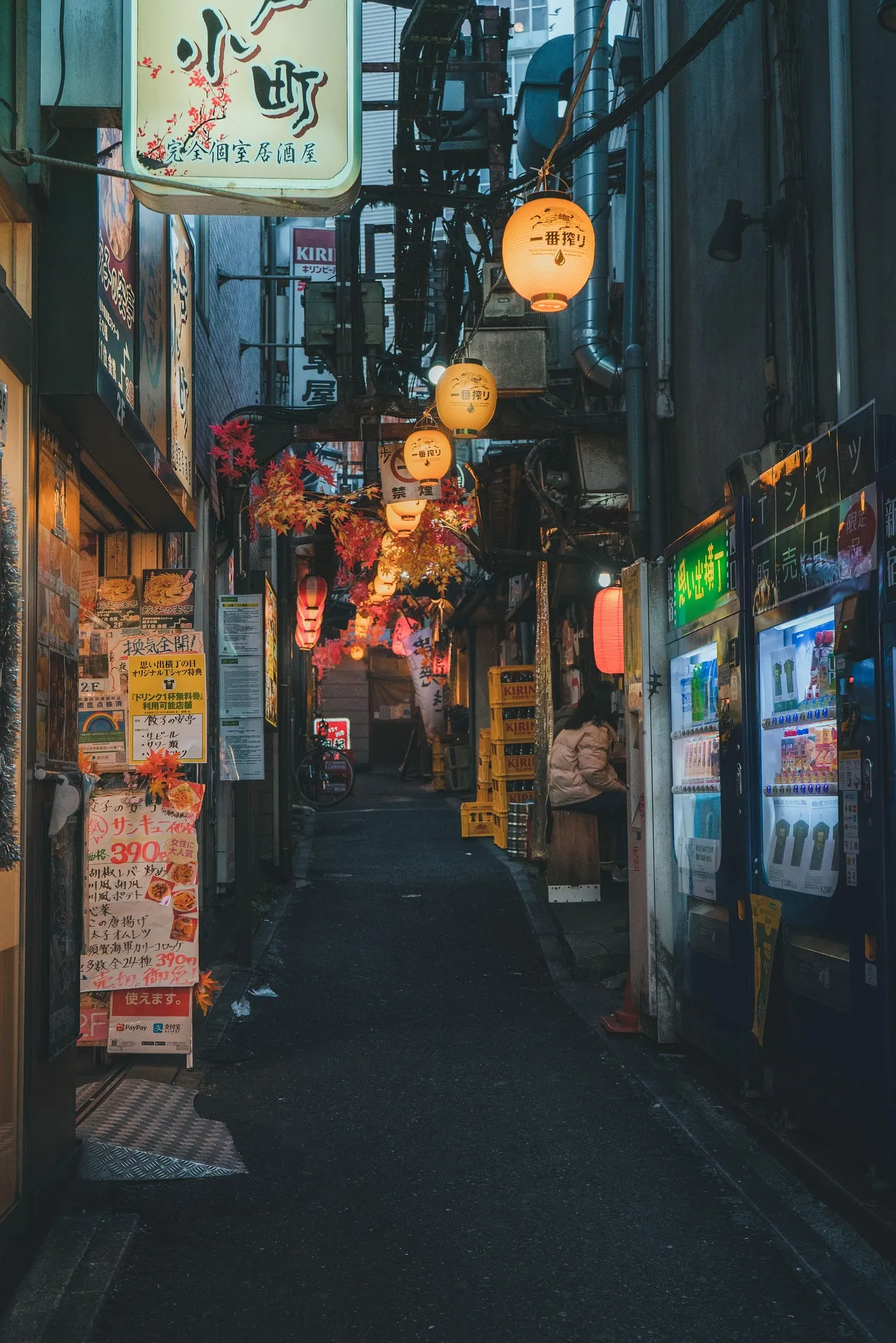
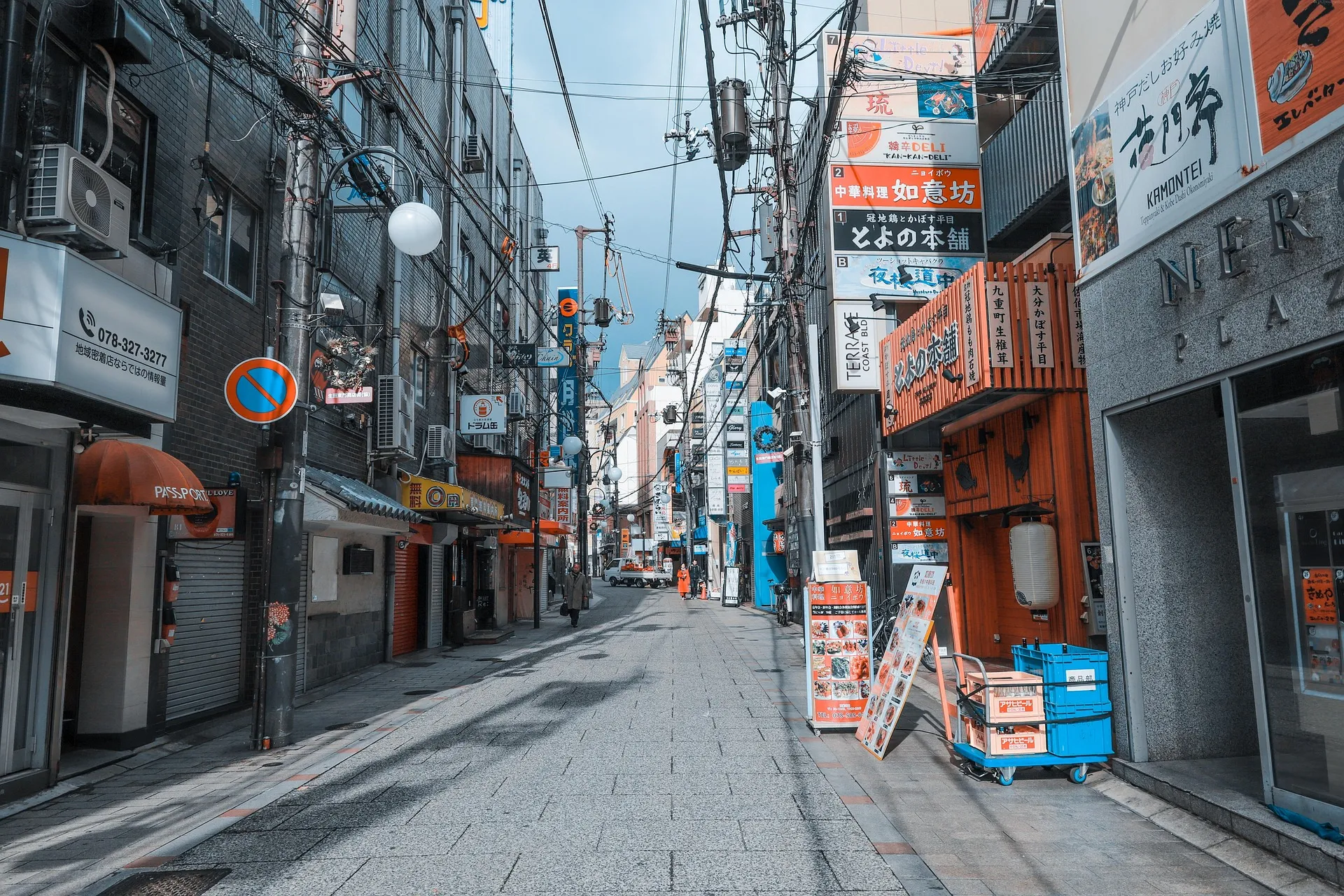
After dark, many Japanese cities shift to a smaller scale: narrow alleys of bars, red lanterns over doorways and signs stacked up the buildings. A gallery of the country's evening streets.
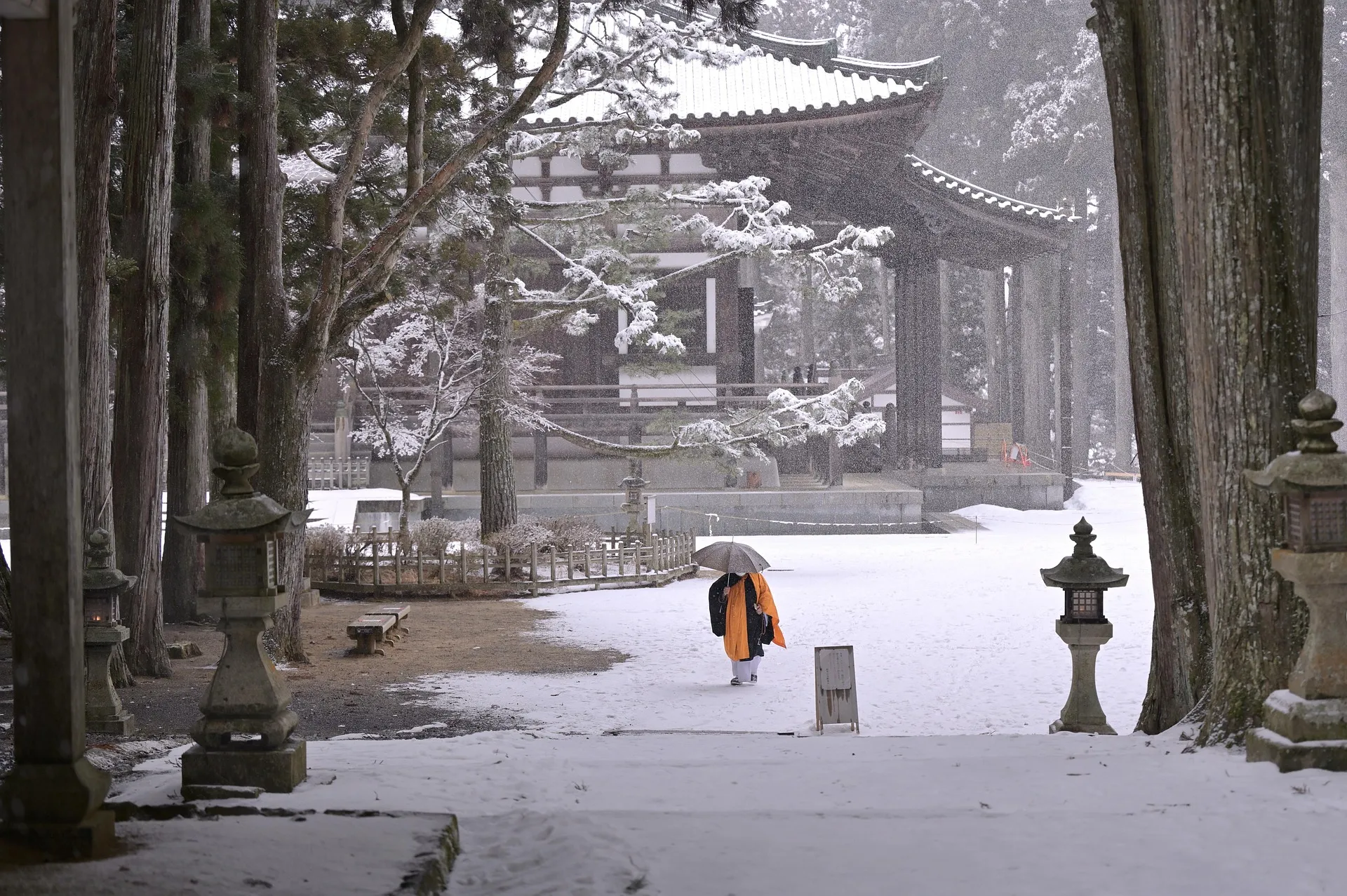
Stone lanterns in mist, a Buddha slowly turning green, a temple yard under snow. An essay on how Japanese sacred places let time show on their surfaces.
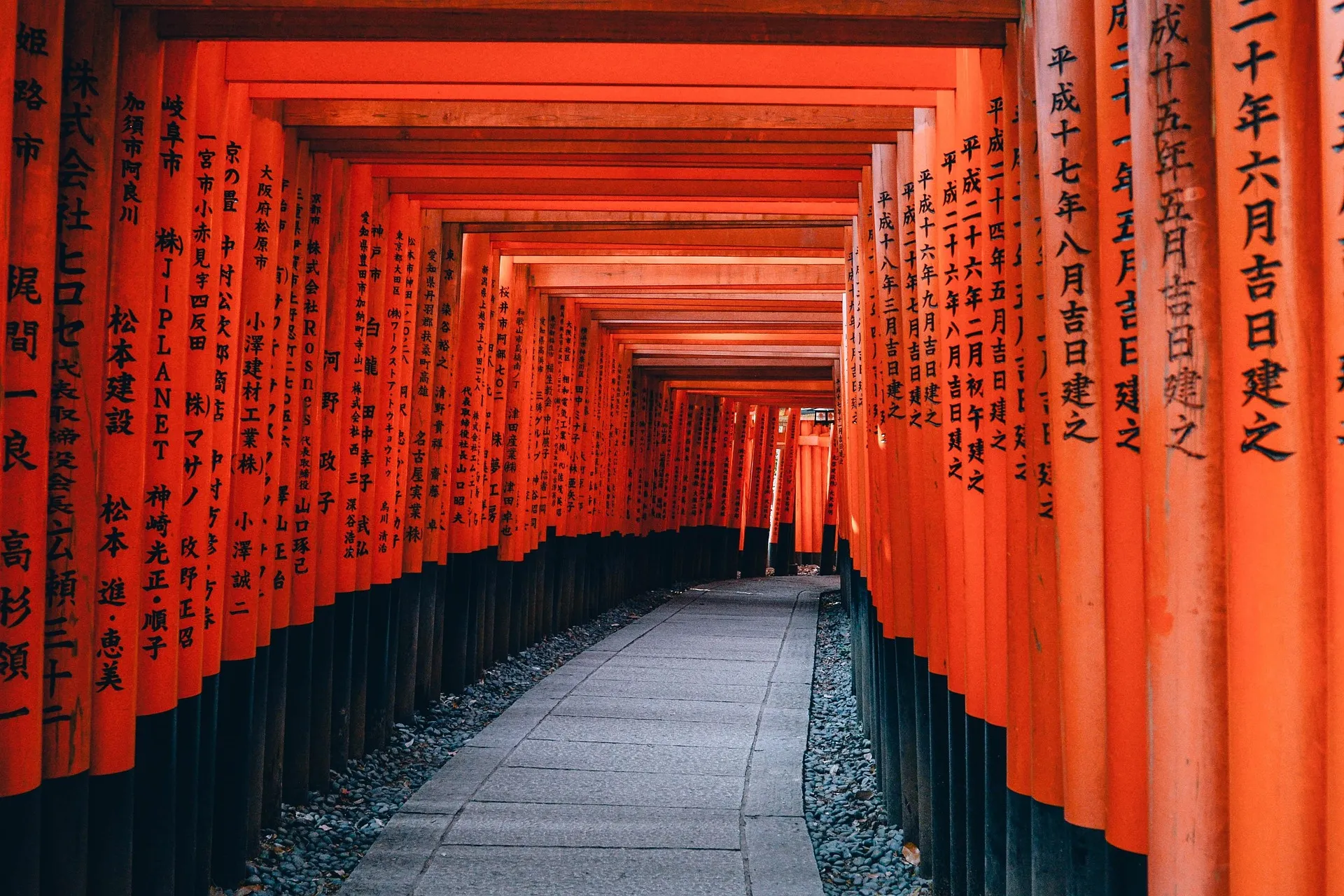
Japan has two great religious landscapes, Shinto shrines and Buddhist temples, and many people move between them without contradiction. A gallery of gates, lanterns and quiet details from that shared world.
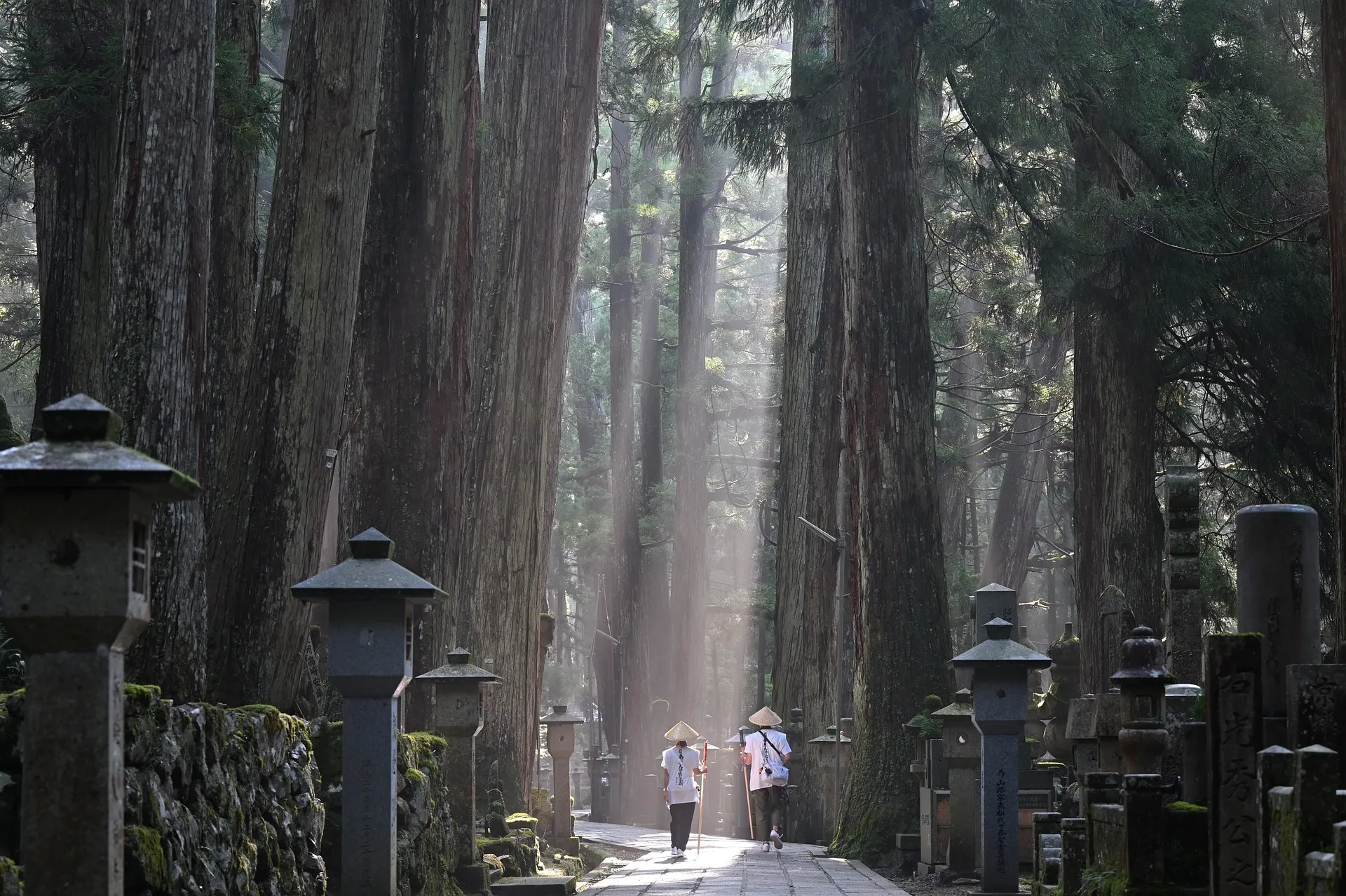
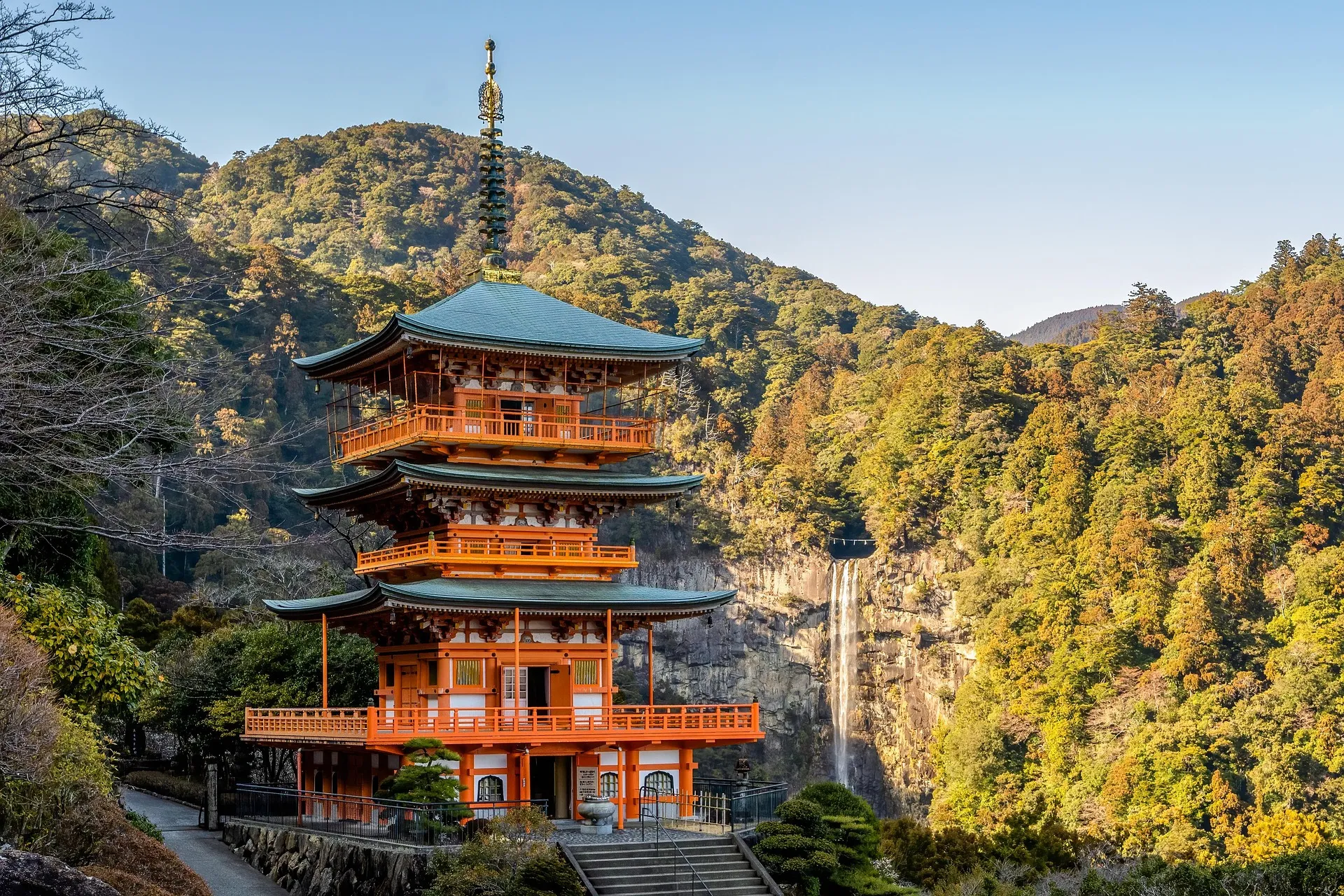
South of Osaka and Nara, the mountainous Kii Peninsula holds some of Japan's oldest pilgrimage routes. A small gallery of pagodas, waterfalls and forest paths in the spirit of the region.
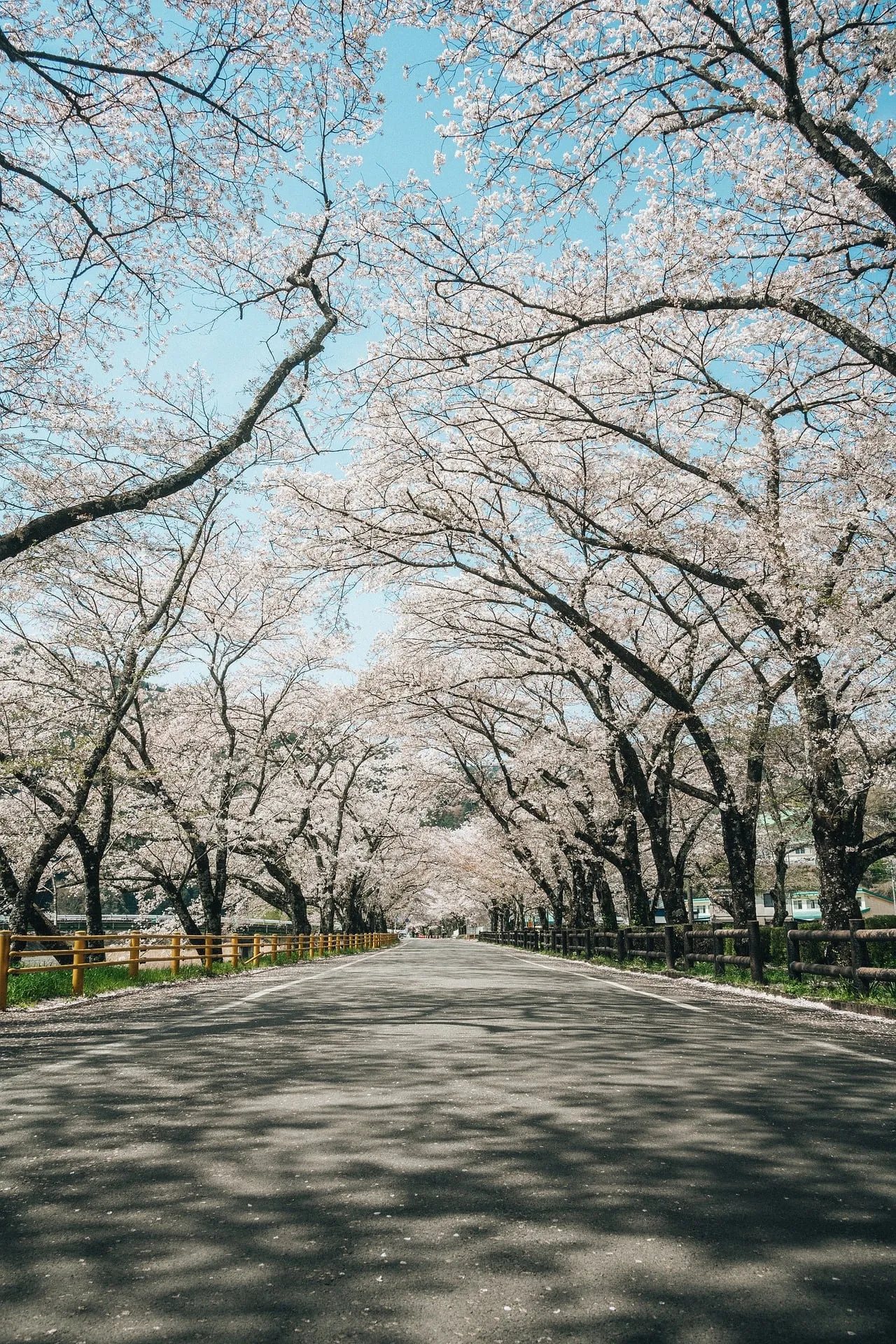
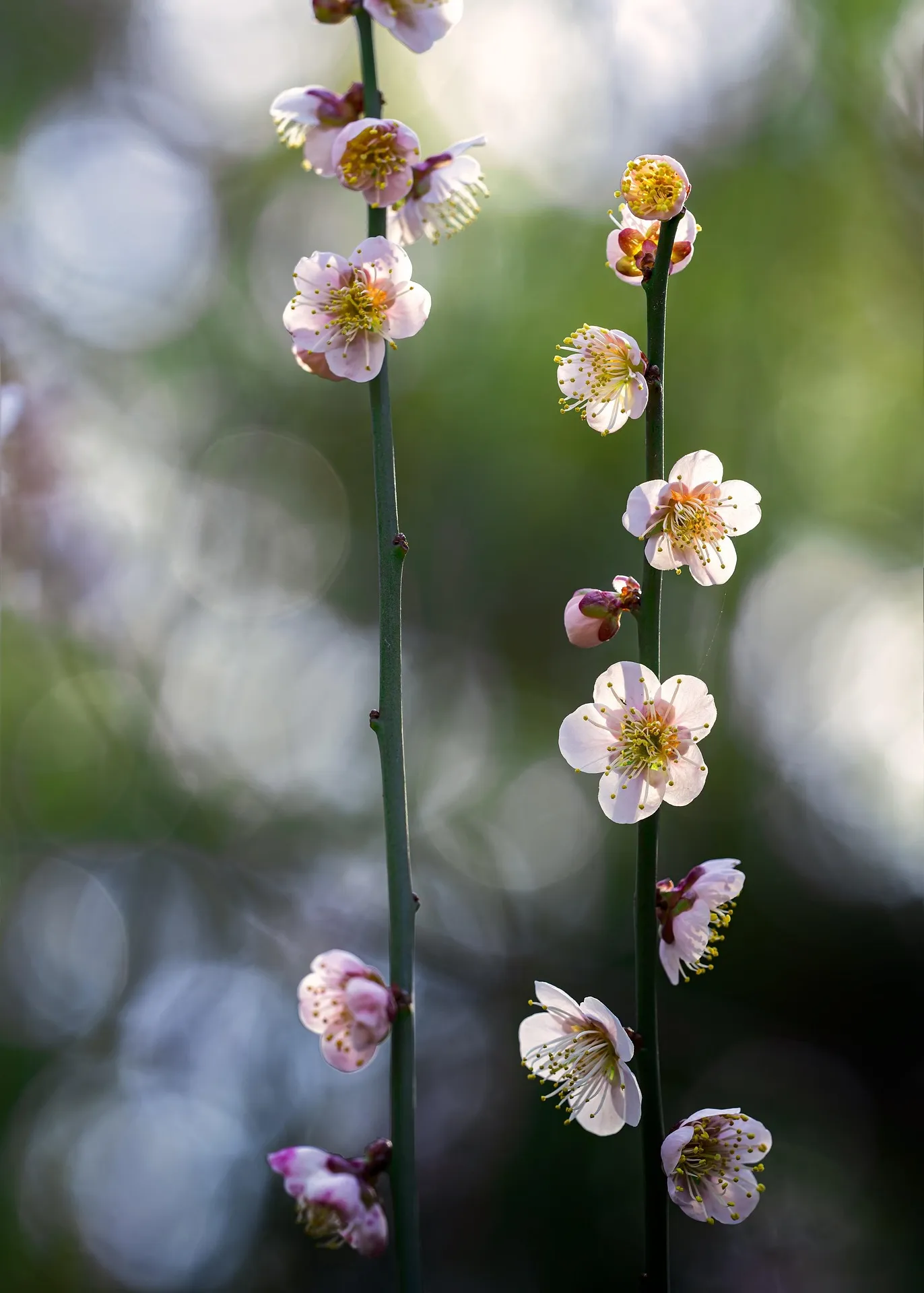
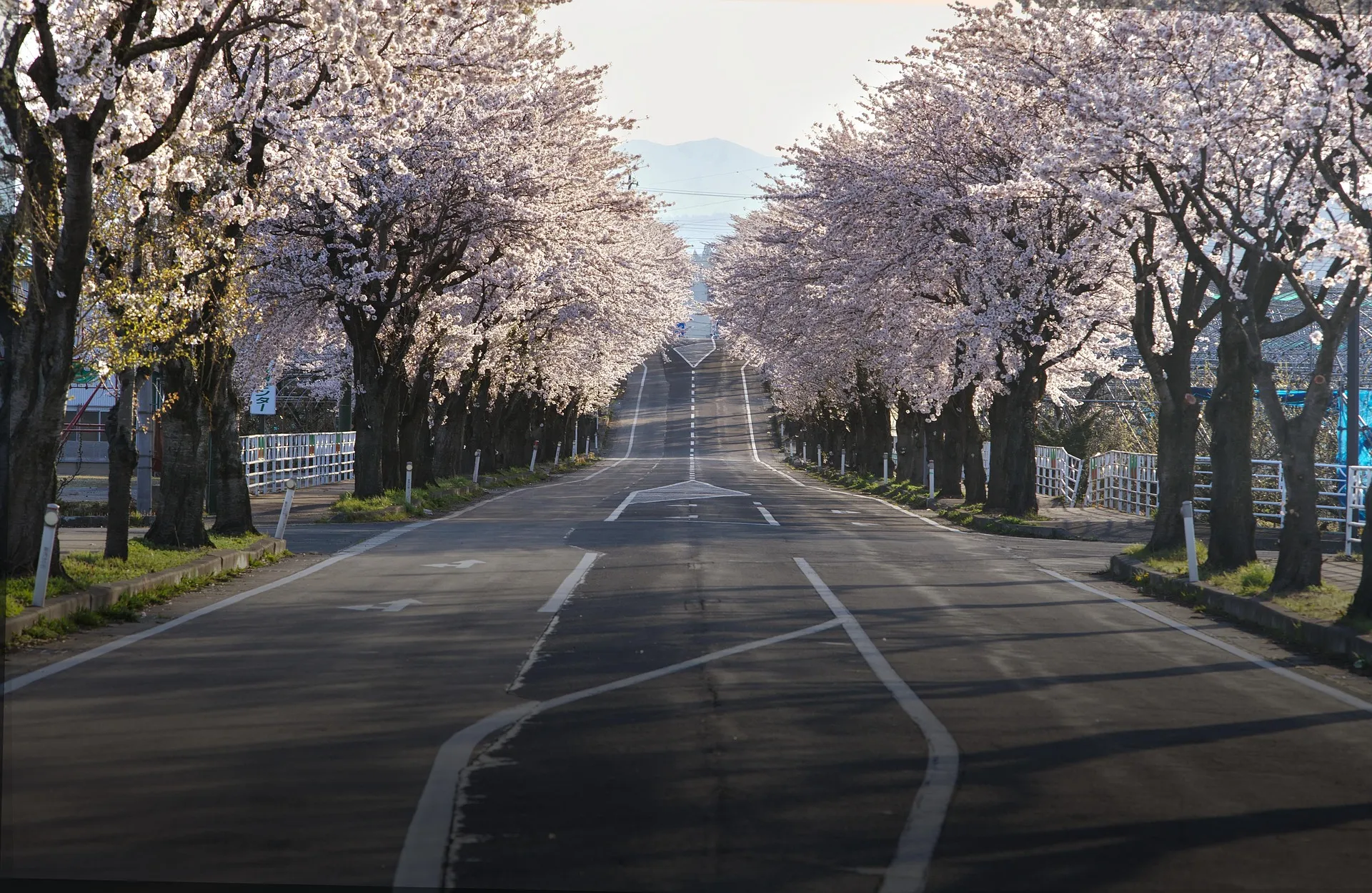
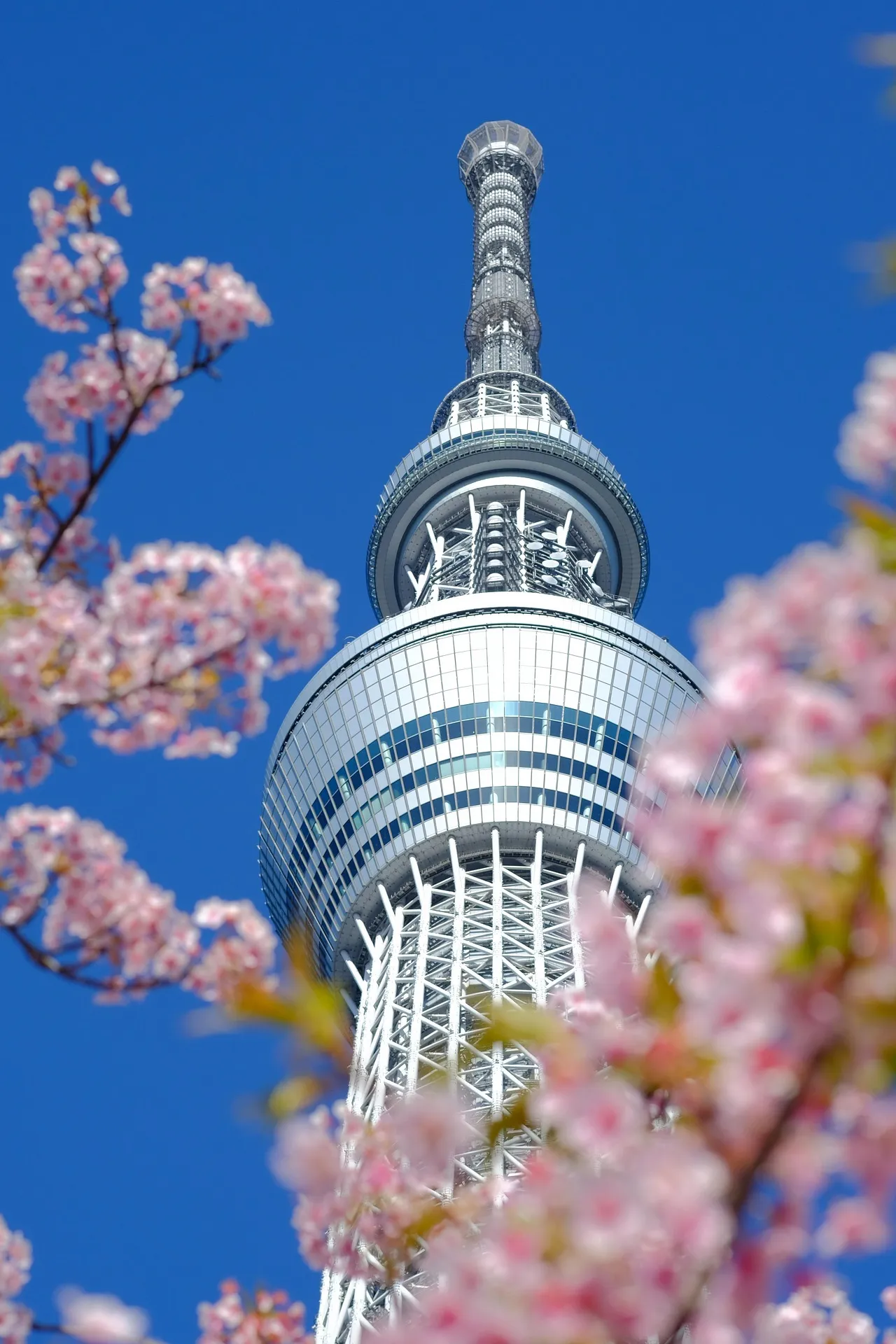
In Japan the seasons are not just weather; they shape festivals, food and where people travel. A season-by-season way of thinking about when to go, from plum blossoms in late winter to snow in temple yards.
Squeezed into a narrow strip between the Rokkō mountains and Osaka Bay, Kobe grew into one of Japan's great ports and one of its most outward-looking cities. A profile of its geography, history and recovery.
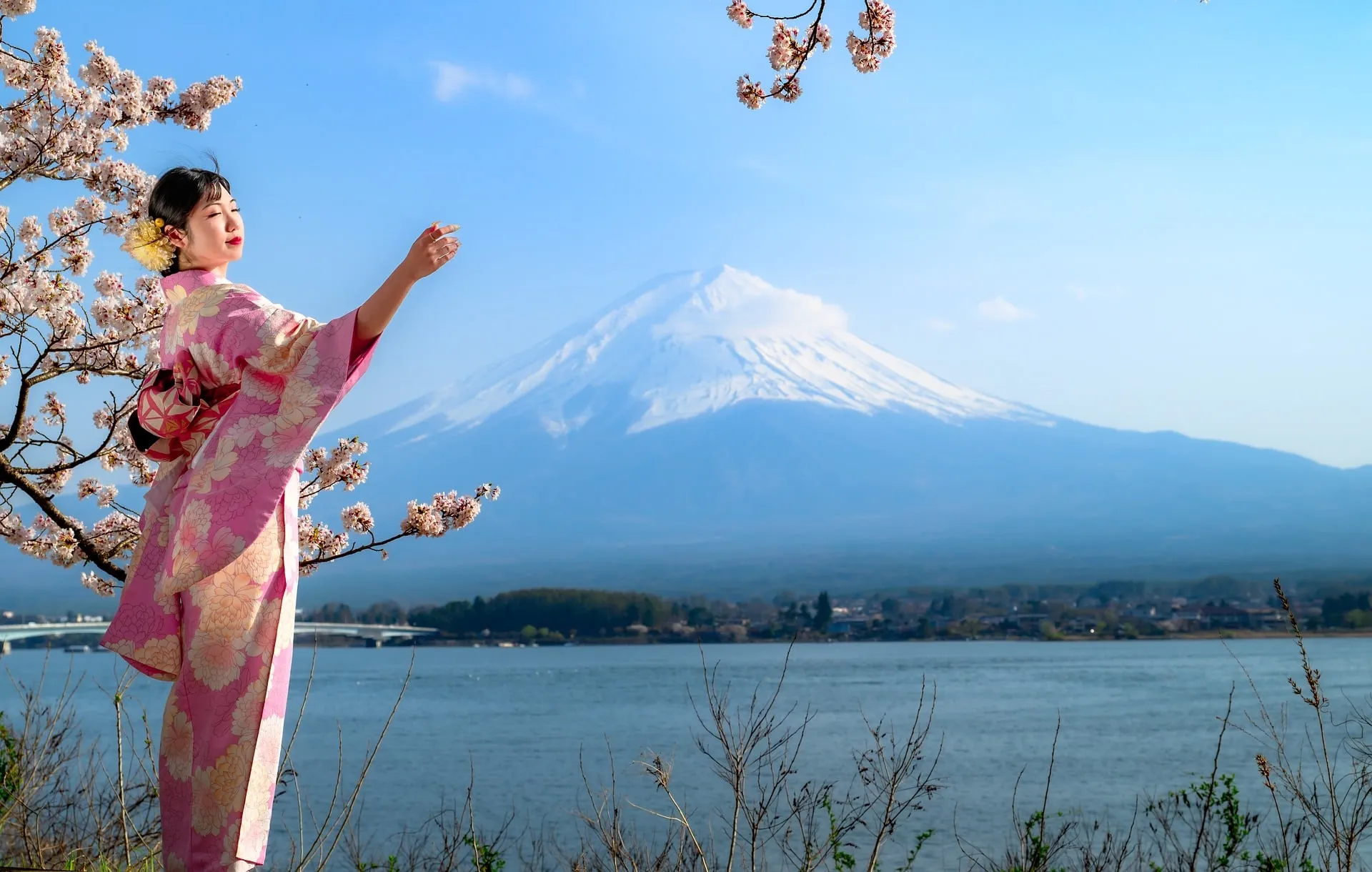
At 3,776 metres, Mount Fuji is Japan's highest peak and its most familiar symbol. A profile of the volcano, the lakes at its northern foot, and why Japanese art keeps returning to it.
High in the forested mountains of Wakayama, Kōyasan is a small town made largely of temples. Founded by the monk Kūkai in the early 9th century, it remains the centre of Shingon Buddhism.