Shrines and temples in Japanese daily life
Japan has two great religious landscapes, Shinto shrines and Buddhist temples, and many people move between them without contradiction. A gallery of gates, lanterns and quiet details from that shared world.
Travelling in Japan, you pass shrines and temples constantly: in city centres, on hilltops, squeezed between apartment blocks. They belong to two traditions that have lived side by side for well over a thousand years.
Shinto shrines honour kami, spirits associated with nature, places and ancestors. The easiest sign of a shrine is the torii, a gate that marks the boundary between ordinary space and sacred ground. Some shrines have a single gate, others whole corridors of them, and a few gates stand in water so that they seem to float when the tide is high.
Buddhist temples came with Buddhism from the Asian mainland. They are recognisable by their halls, pagodas, statues and the smell of incense. For centuries the two traditions were closely intertwined, and many people today visit a shrine at New Year or for a festival and a temple for funerals and remembrance, without seeing any conflict.
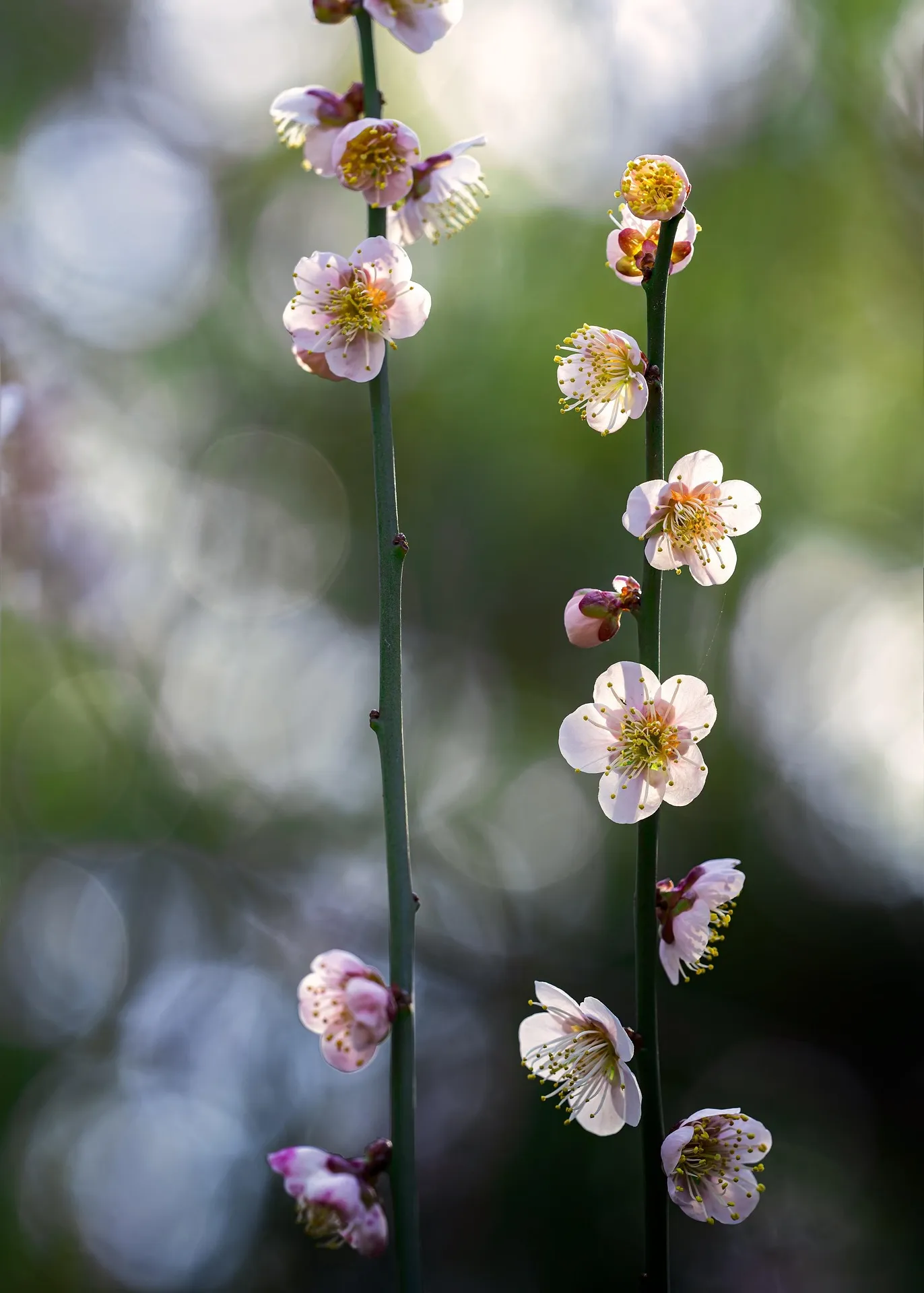
The photographs here are not tied to a single place. They gather the visual vocabulary these sites share: vermilion gates in long rows, a torii and stone lanterns standing in calm water, a mossy lantern in a garden, painted paper umbrellas, and coils of incense hanging in the half-light.
Photos: pexels, deltaworks, alexanderstein, michoff on Pixabay, used under the Pixabay Content License. These are not my photographs.
Related
6 photos
Views: 0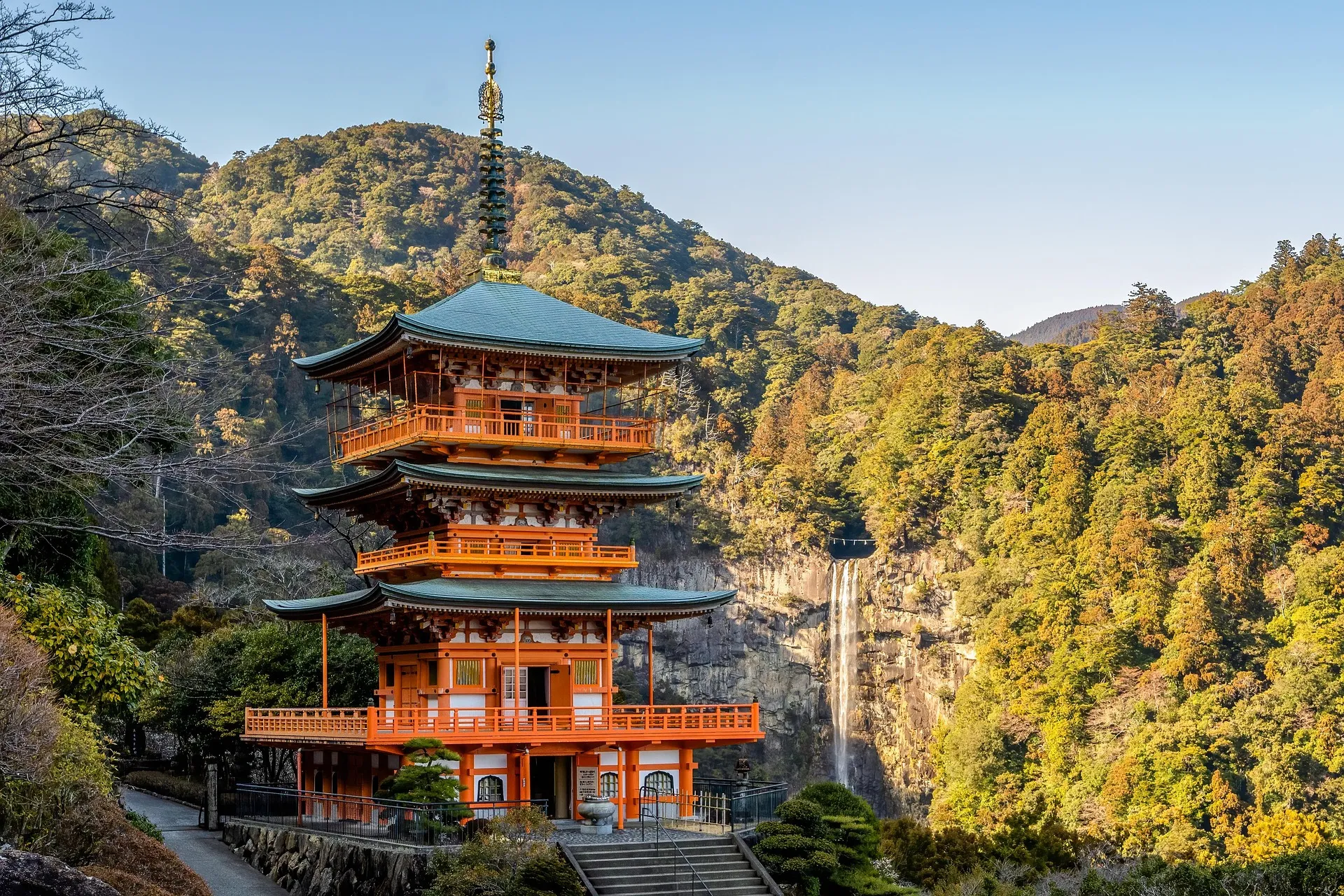
5 photos
Views: 0