
Japan's four seasons as a travel calendar
In Japan the seasons are not just weather; they shape festivals, food and where people travel. A season-by-season way of thinking about when to go, from plum blossoms in late winter to snow in temple yards.
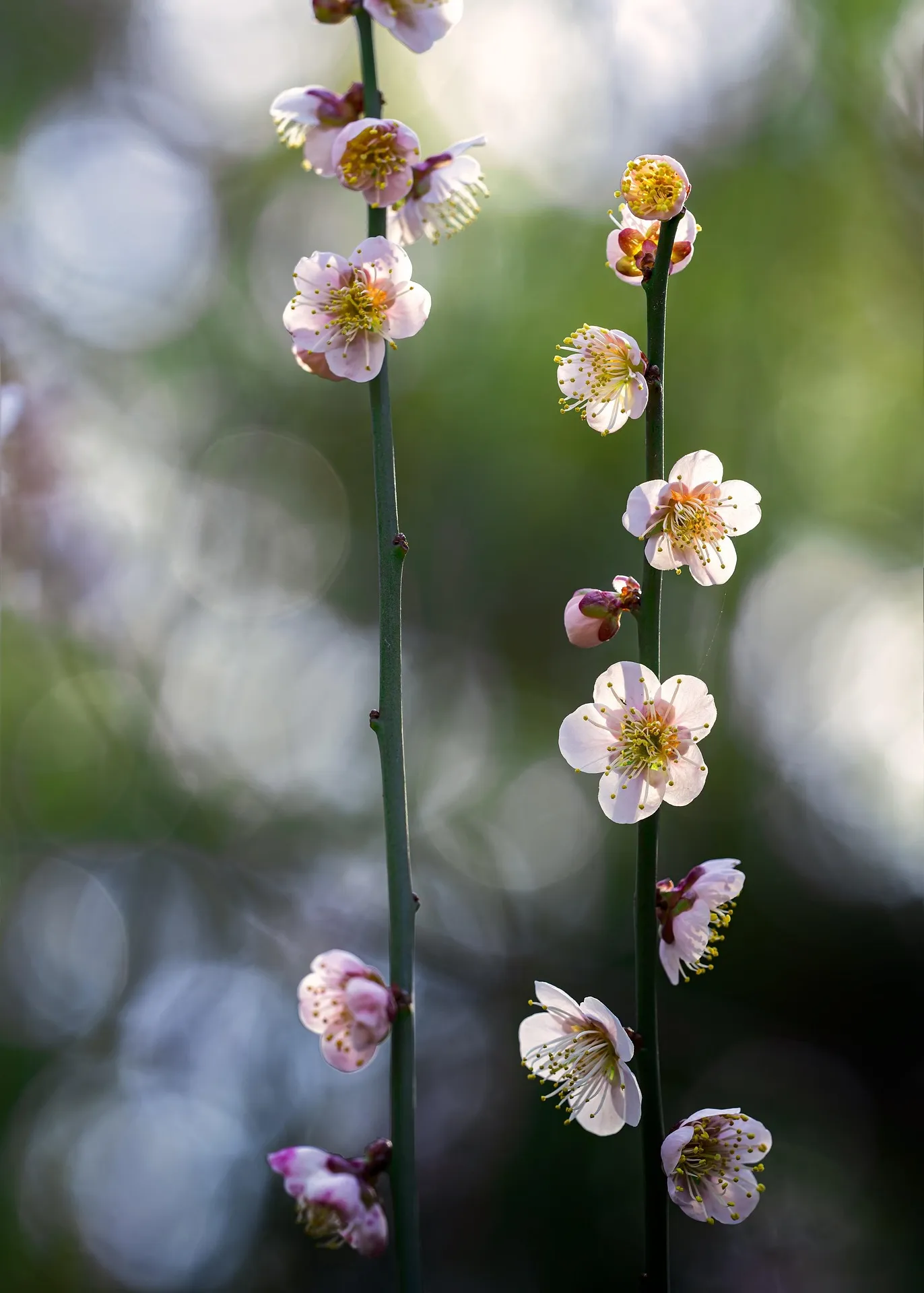
Japan is often described as a country of four distinct seasons, and the seasons play an unusually large part in daily culture. Menus change, shops redecorate, and news reports track blossoms and autumn leaves as they move across the country. For a traveller, that makes the calendar a useful way to plan.
Late winter and spring
The year's first flowers are usually plum blossoms, which open in late winter, before the cherry trees. They are smaller and more scattered, but plum gardens at temples and shrines draw visitors when little else is in bloom.
Cherry blossom season follows in spring. Because Japan stretches a long way from south to north, the blossoms open at different times in different regions: earlier in the south, later in the north and in the mountains. The peak in any one place is short, often around a week, which is part of why hanami, blossom viewing, feels like an event.
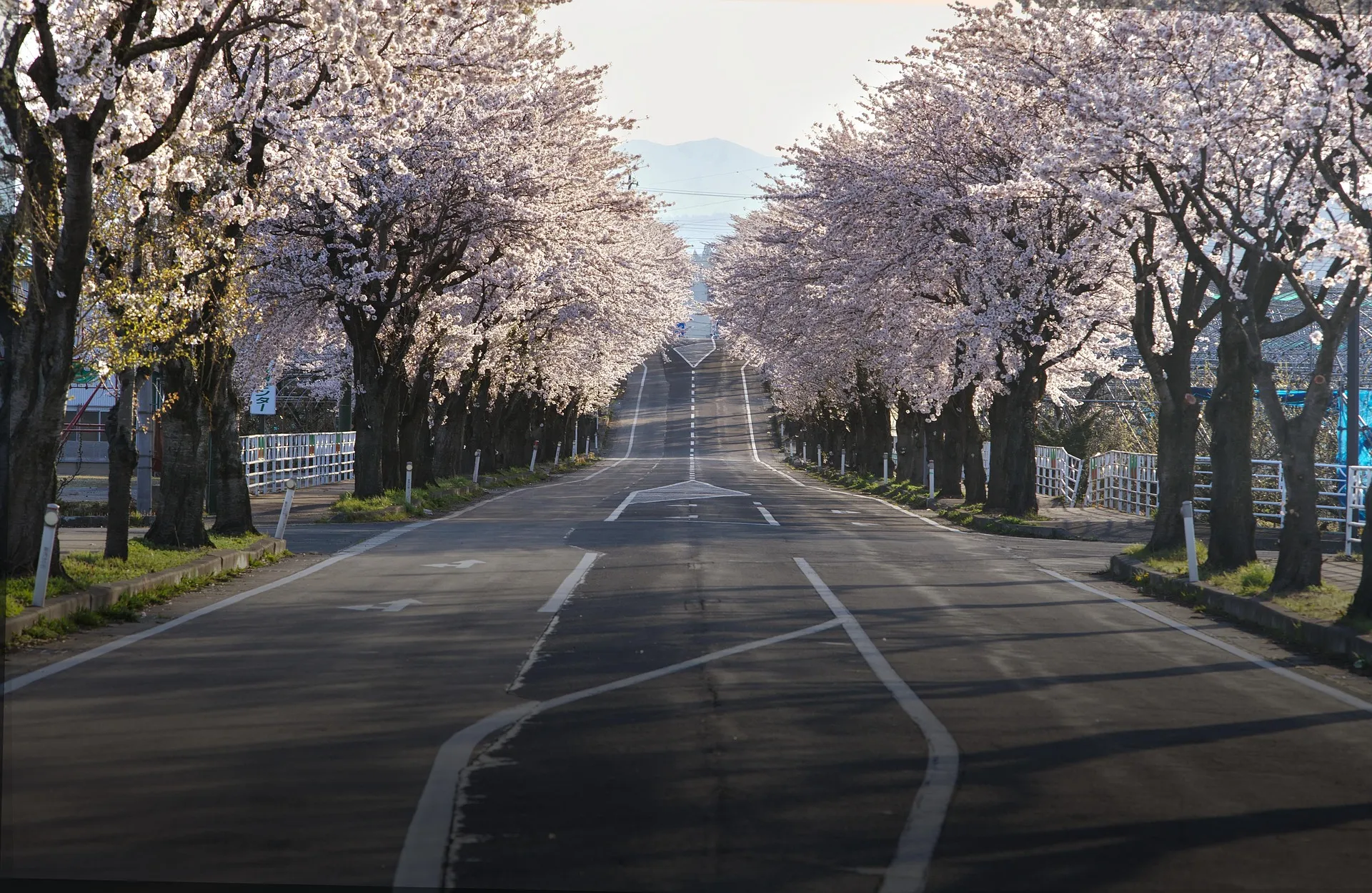
Early summer and summer
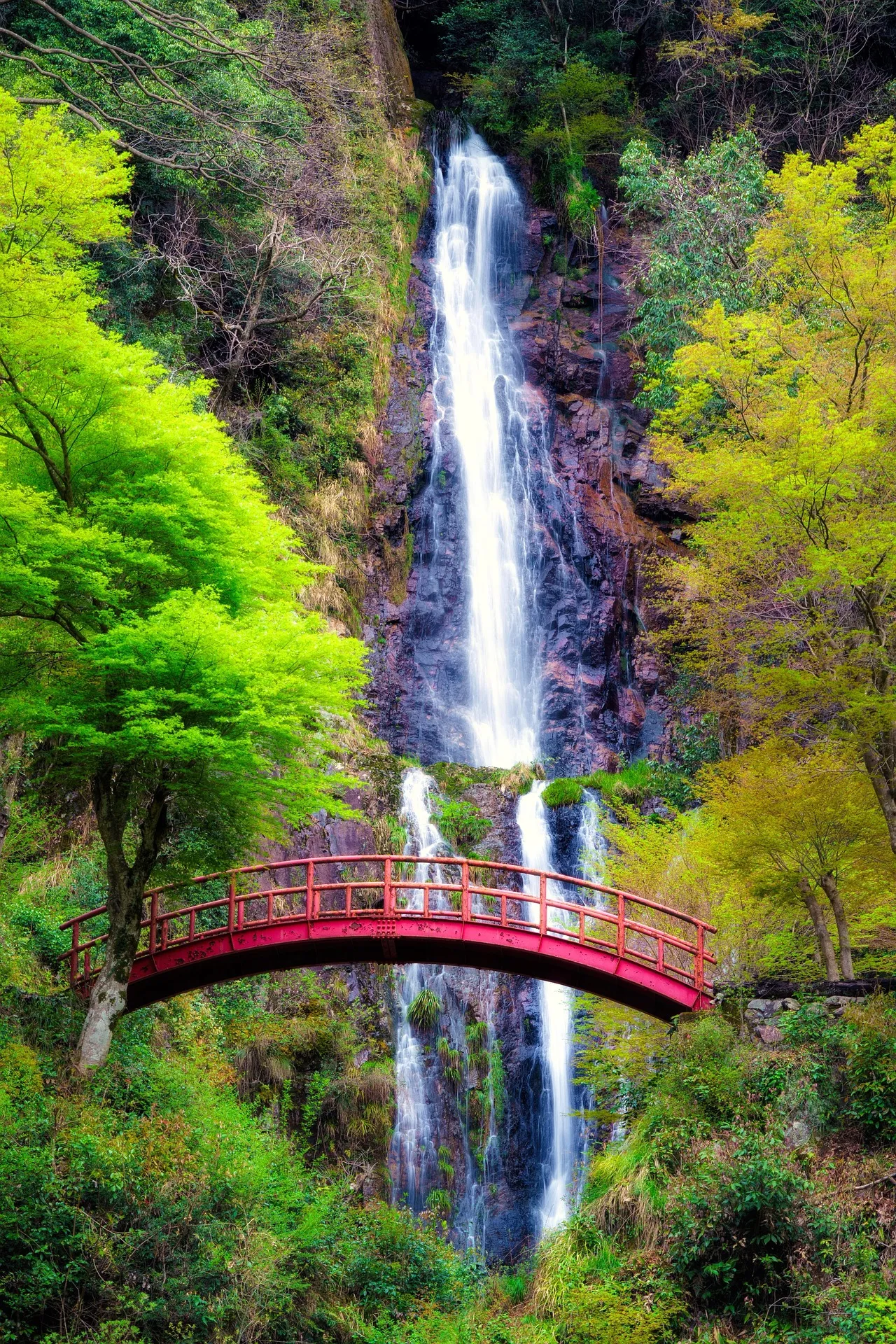
After spring, much of Japan has a rainy season, tsuyu, in early summer. It is humid and grey, but gardens are very green and hydrangeas are in flower. High summer is hot and humid in most lowland cities, and it is also the season of festivals and fireworks. Mountains and forests offer cooler alternatives, with waterfalls and shaded paths.
Autumn
Autumn is, for many people, the best time to travel. The air is drier, and the leaves of maples and ginkgo trees turn red and gold, a season known as kōyō. Like the blossoms in spring, the colour moves across the country, starting in the north and in the mountains and reaching the southern cities later. Temple gardens in places like Kyoto are especially known for autumn colour.
Winter
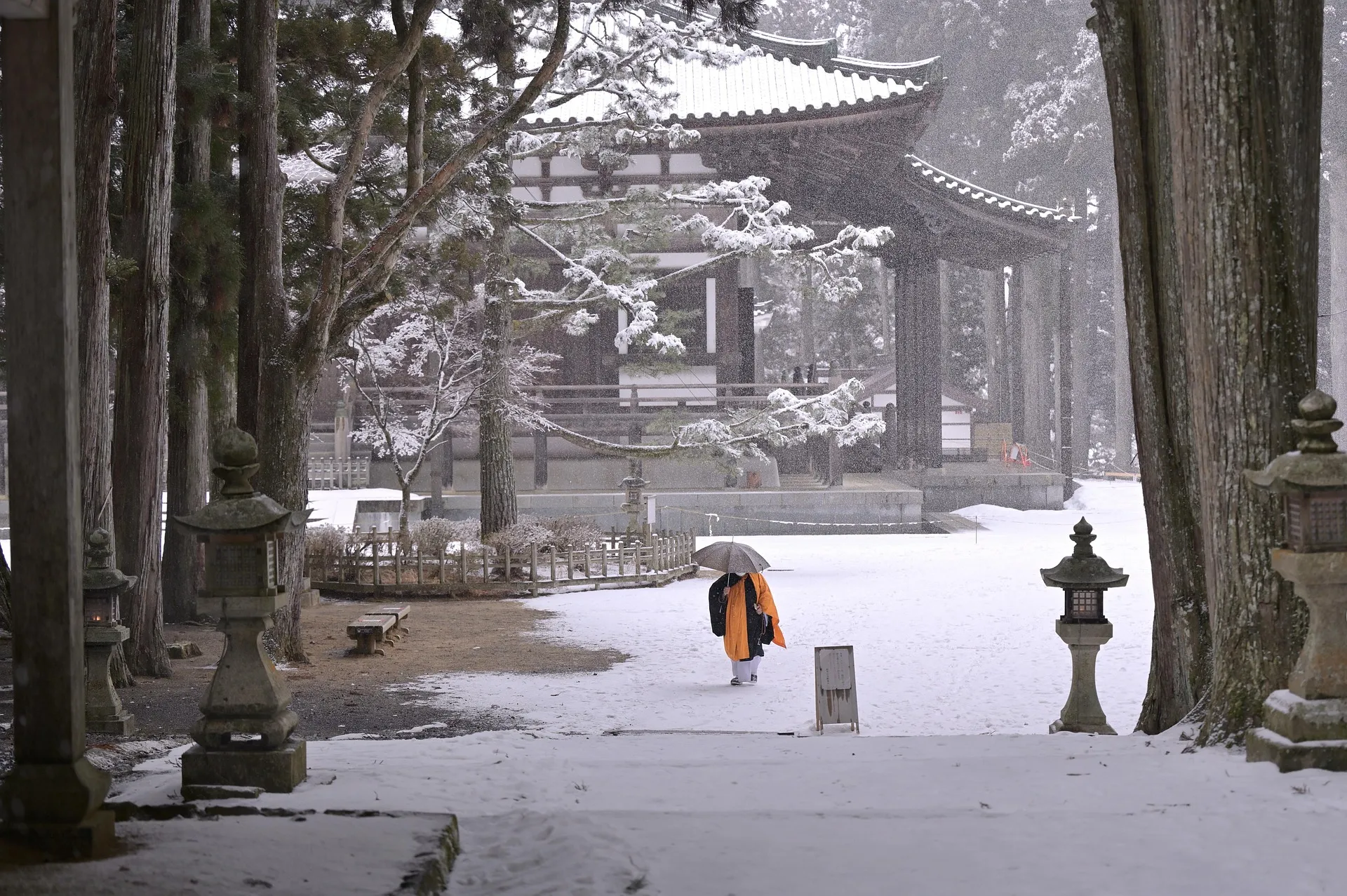
Winter varies a lot by region. Cities on the Pacific side are often cold but clear and dry, while areas facing the Sea of Japan and the northern island of Hokkaido can receive heavy snow. Snow-covered temples, hot springs and winter festivals are the highlights, and clear winter days often give the best views of distant mountains.
Choosing a season
There is no wrong season, only different trade-offs between weather, crowds and scenery. If you have flexibility, it may help to decide first what you most want to see, then let the calendar choose the dates.
Photos: kanenori, dep377, jplenio, yamabon on Pixabay, used under the Pixabay Content License. These are not my photographs.
Related
6 photos
Views: 0
6 photos
Views: 0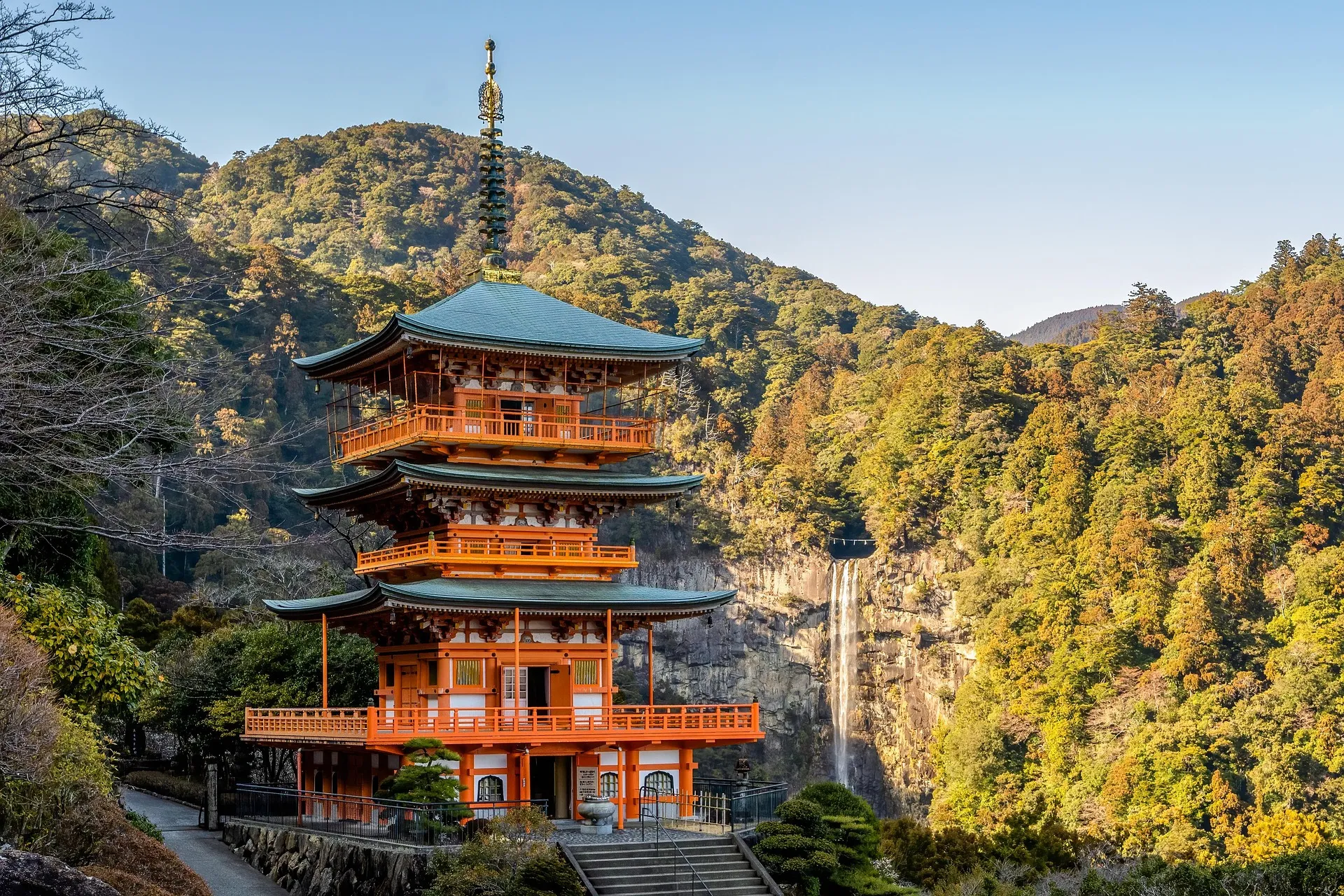
5 photos
Views: 0