
Kōyasan: the mountain monastery town
High in the forested mountains of Wakayama, Kōyasan is a small town made largely of temples. Founded by the monk Kūkai in the early 9th century, it remains the centre of Shingon Buddhism.
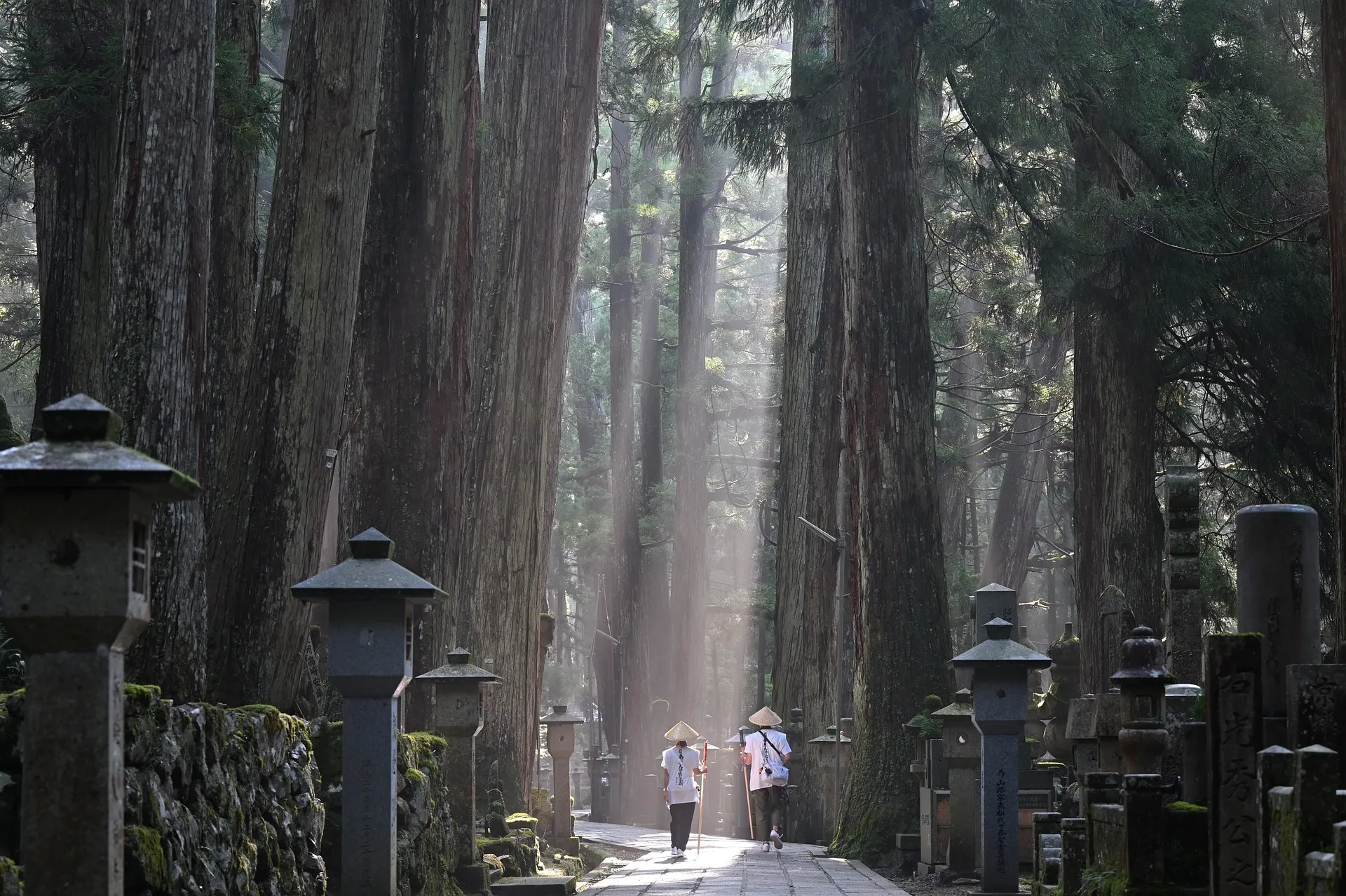
Kōyasan, also called Mount Kōya, is not a single temple but a whole town built on a plateau among the mountains of Wakayama Prefecture, south of Osaka. Monasteries line its main street, and the surrounding cedar forest gives the place a hush that is rare in Japan's busier destinations.
Kūkai and Shingon Buddhism
The town was founded in the early 9th century by Kūkai, a monk also known by his posthumous title Kōbō Daishi. Kūkai had studied esoteric Buddhism in Tang China and returned to establish the Shingon school in Japan. He chose this remote plateau as a place for training and meditation, and Kōyasan has remained the centre of Shingon Buddhism ever since.
The head temple of the school, Kongōbu-ji, stands in the town, along with the Danjō Garan, a complex of halls and pagodas that forms the original religious core of the mountain.
Okunoin
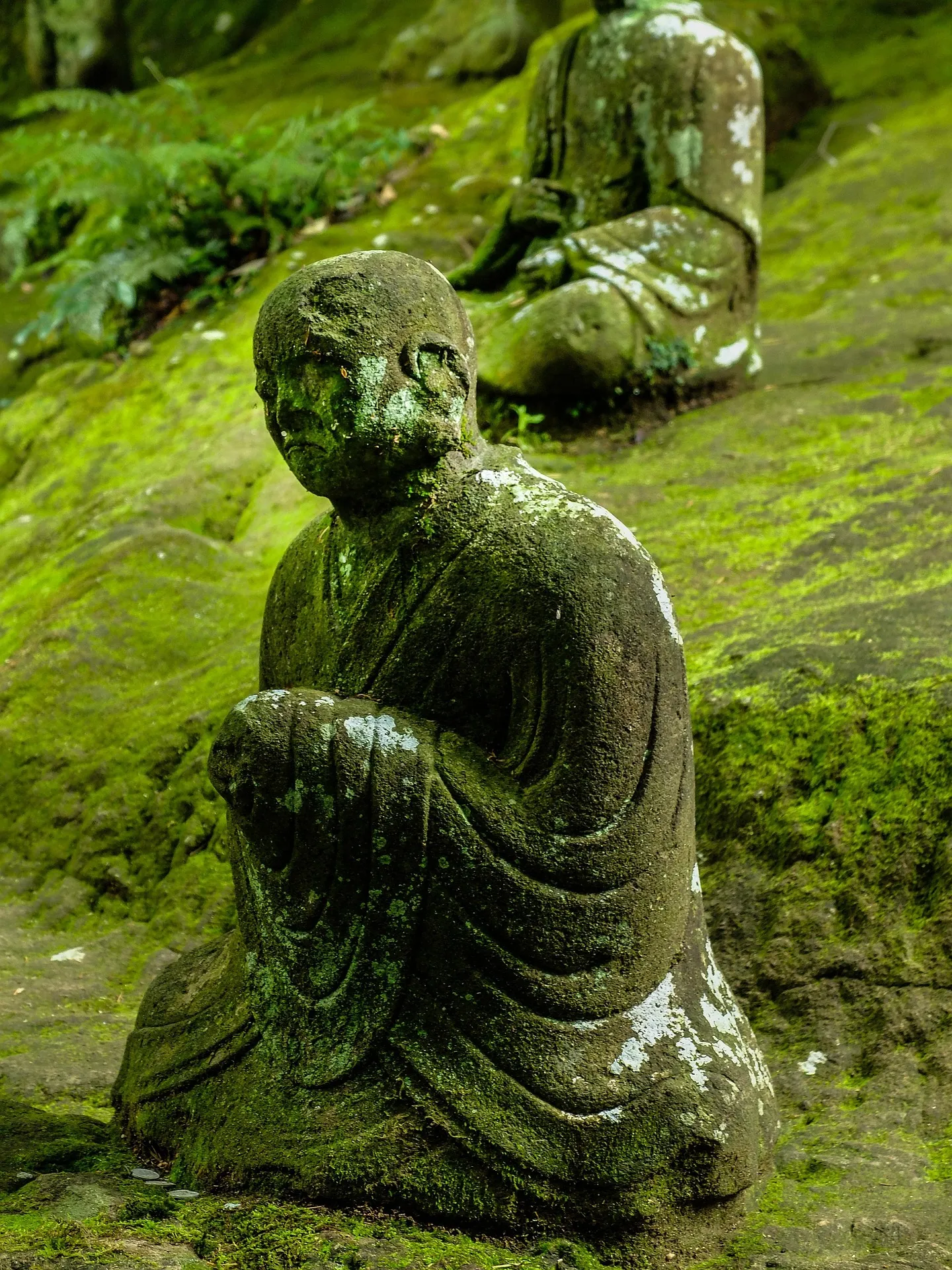
The most famous part of Kōyasan is Okunoin, a vast cemetery in the forest leading to Kūkai's mausoleum. According to Shingon belief, Kūkai did not die but entered eternal meditation there. The approach path runs a long way beneath tall cedars, past moss-covered gravestones and memorials, many of them dedicated to historical figures and families. Stone lanterns and statues line the way, and in mist or at dusk the walk feels very different from a typical sightseeing route.
Staying in a temple
Kōyasan is also known for shukubō, temple lodgings where visitors can stay overnight. Guests typically sleep in tatami rooms, eat shōjin ryōri, the vegetarian cuisine of Buddhist monasteries, and may be invited to join morning prayers. It is one of the more accessible ways to glimpse daily life in a working monastic community.
Seasons on the mountain
Because of its altitude, Kōyasan is noticeably cooler than the cities below. Summer is green and mild, autumn brings coloured leaves among the halls, and winter can bring snow to temple courtyards, which makes the town even quieter.
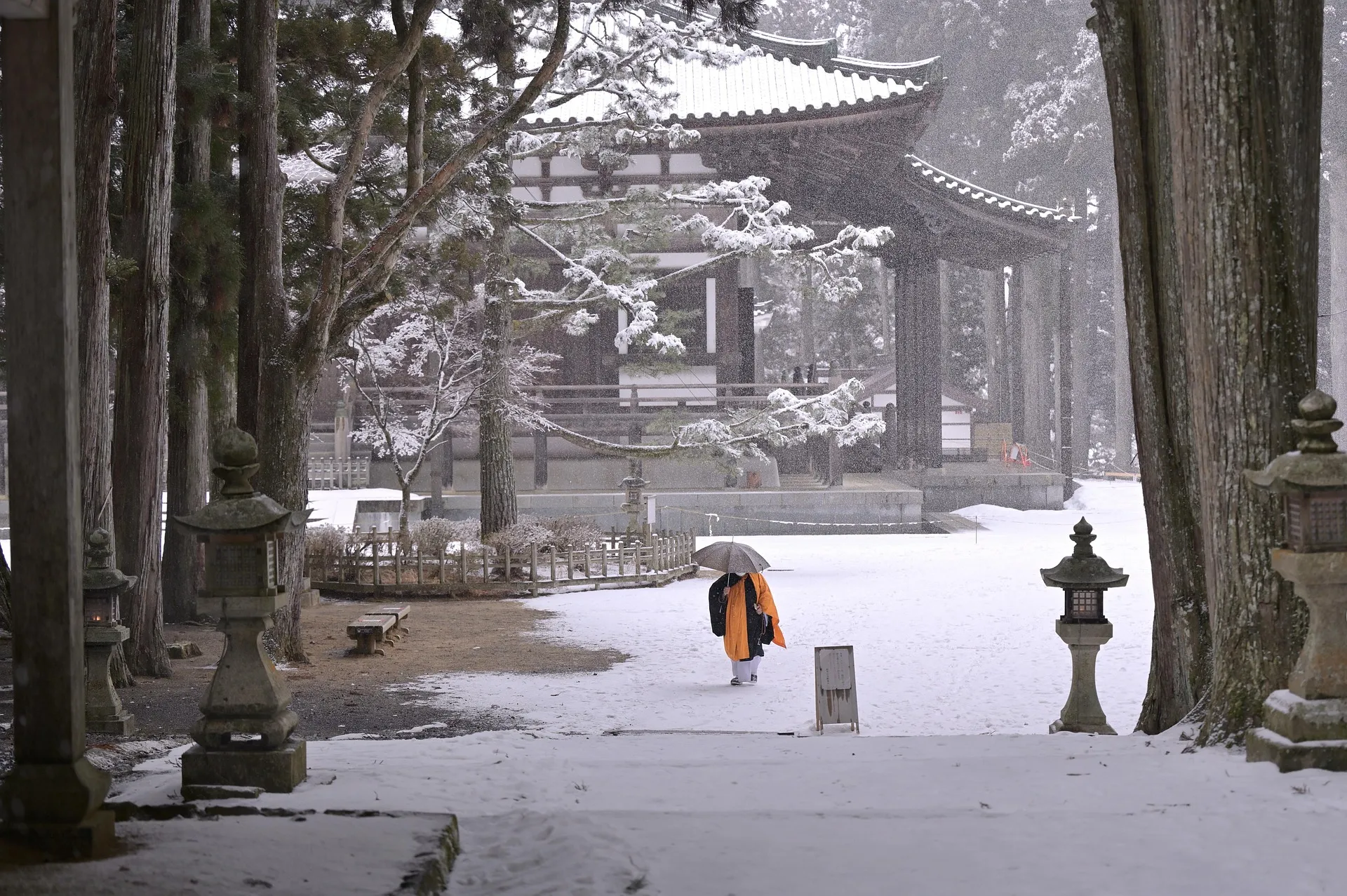
Together with other sacred sites of the Kii Mountains, Kōyasan is part of a UNESCO World Heritage listing. For many visitors, though, what stays with them is simpler: the sound of footsteps on a forest path, and the sense of a place built for stillness.
Photos: yamabon, deltaworks on Pixabay, used under the Pixabay Content License. These are not my photographs.
Related
6 photos
Views: 0
6 photos
Views: 0
5 photos
Views: 0