
Mount Fuji and the Five Lakes
At 3,776 metres, Mount Fuji is Japan's highest peak and its most familiar symbol. A profile of the volcano, the lakes at its northern foot, and why Japanese art keeps returning to it.
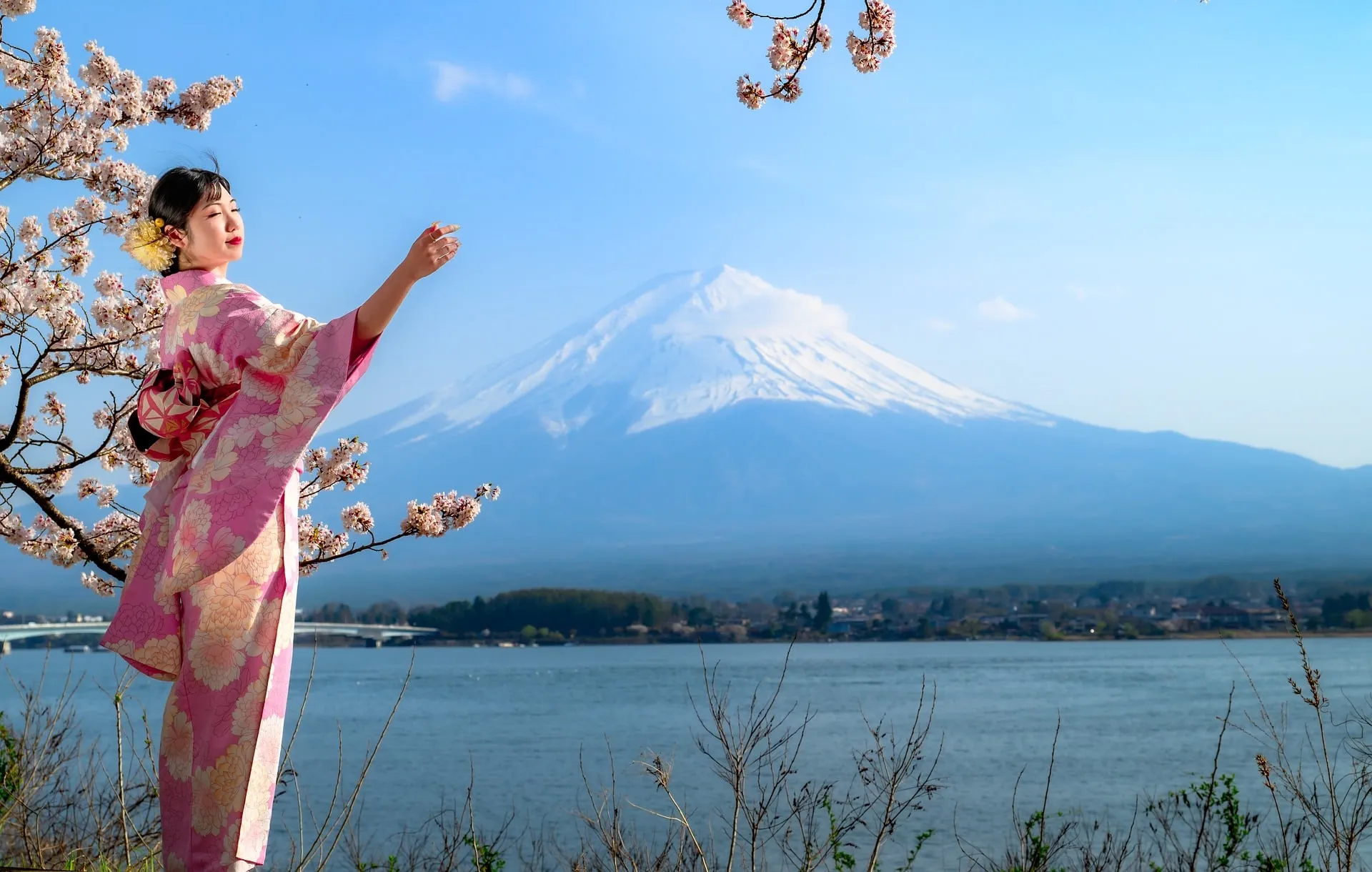
Few mountains are as instantly recognisable as Mount Fuji. Its near-symmetrical cone rises to 3,776 metres, the highest point in Japan, and on a clear day it can be seen from far away, including from parts of Tokyo.
A volcano and a sacred mountain
Fuji is an active volcano standing on the border of Shizuoka and Yamanashi prefectures. Its last eruption was in 1707, during the Edo period. For centuries the mountain has also been an object of worship: Shinto shrines stand at its foot, and climbing it was historically a form of pilgrimage. In 2013 it was inscribed on the UNESCO World Heritage list as a cultural site, recognised as a sacred place and a source of artistic inspiration.
That second idea matters. Fuji appears again and again in Japanese art, most famously in the woodblock prints of Hokusai and Hiroshige. Artists showed it from dozens of viewpoints, near and far, often small in the background of everyday scenes, and that habit of framing the mountain still shapes how people photograph it today.
The Fuji Five Lakes
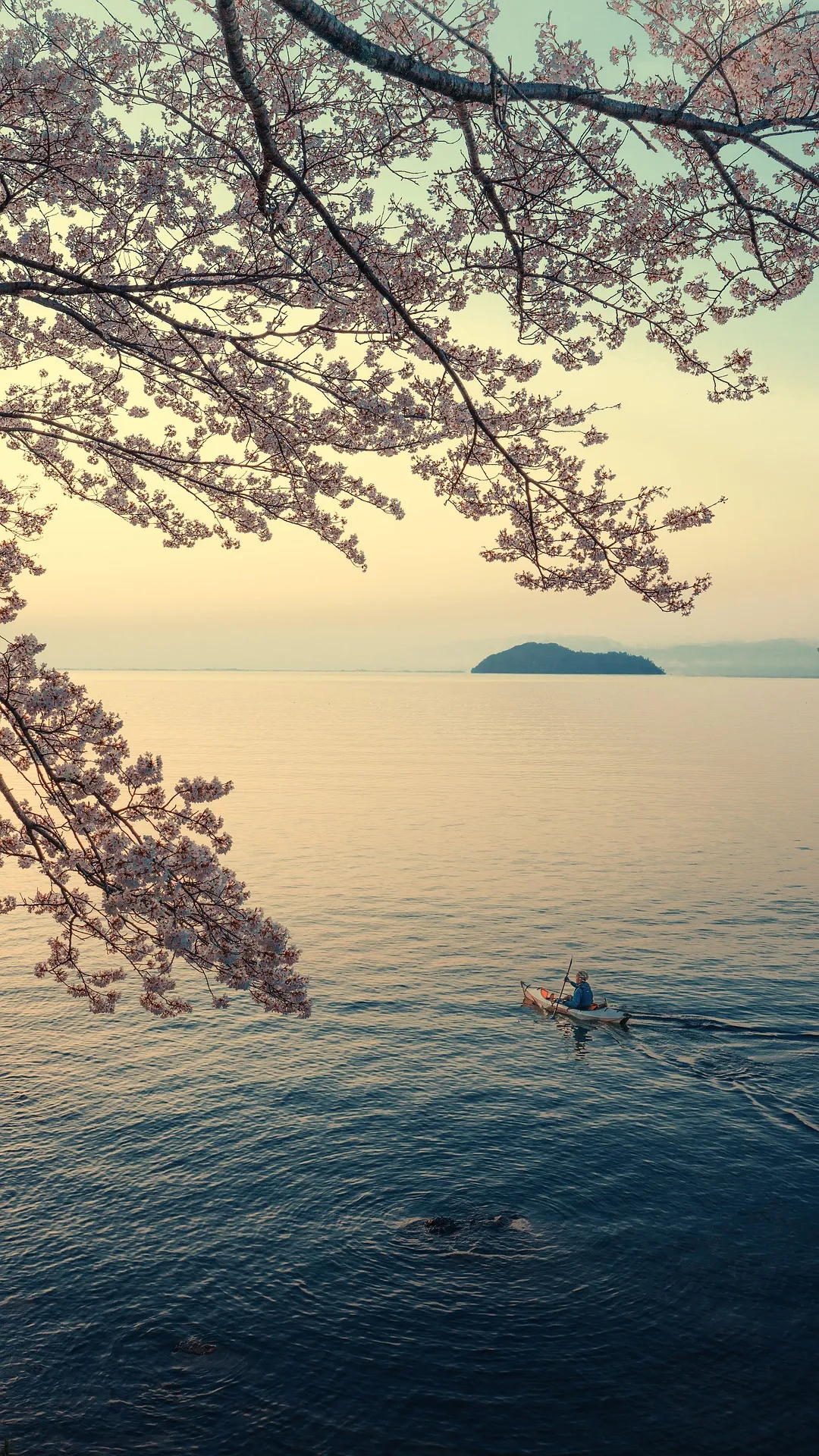
On the northern side of the mountain lie the Fuji Five Lakes: Kawaguchiko, Yamanakako, Saiko, Shōjiko and Motosuko. Their formation is tied to the volcano's past lava flows, and today the area is a popular base for seeing the mountain. Kawaguchiko, the most developed of the five, has many hotels and viewpoints, while some of the others are quieter and more rural.
The appeal is simple: still water, forested shores and, when the weather cooperates, the peak reflected on the surface. Cloud often hides Fuji, especially in the warmer, more humid months, so it is wise to allow more than one day if seeing the mountain is the main goal.
Seasons around Fuji
Each season changes the picture. In spring, cherry trees around the lakes and in nearby towns bloom with the snow-capped peak behind them. Summer is the official climbing season, when trails to the summit open. Autumn brings red and gold leaves along the lake shores, and winter often gives the clearest views, with the upper cone white with snow.
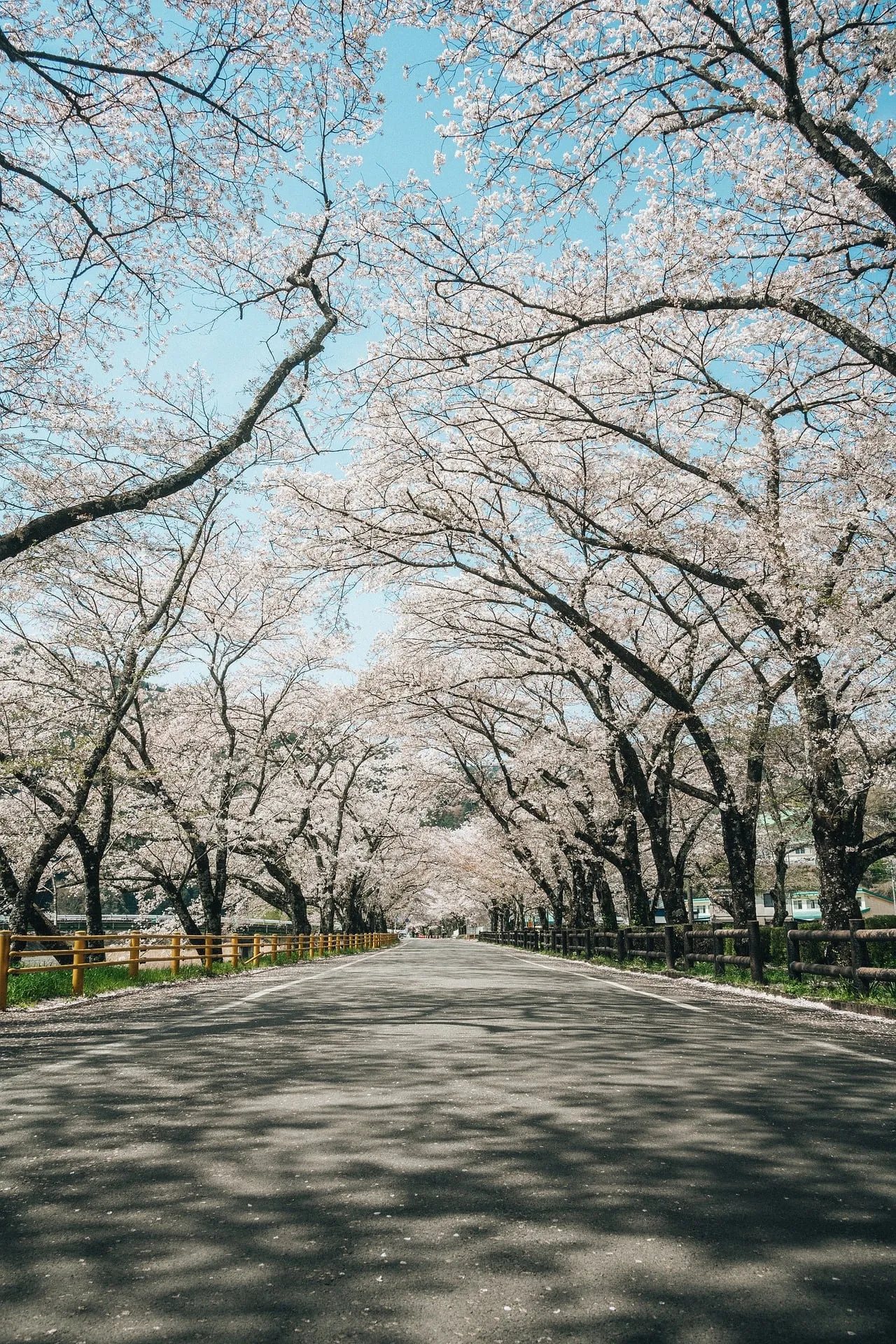
Whether you see Fuji from a lake shore, a train window or a city rooftop, it tends to have the same effect: people stop and look.
Photos: u_hyyc32u22d, kanenori, 7010naoto on Pixabay, used under the Pixabay Content License. These are not my photographs.
Related
6 photos
Views: 0
6 photos
Views: 0
5 photos
Views: 0