
Kobe: a port city between mountains and sea
Squeezed into a narrow strip between the Rokkō mountains and Osaka Bay, Kobe grew into one of Japan's great ports and one of its most outward-looking cities. A profile of its geography, history and recovery.
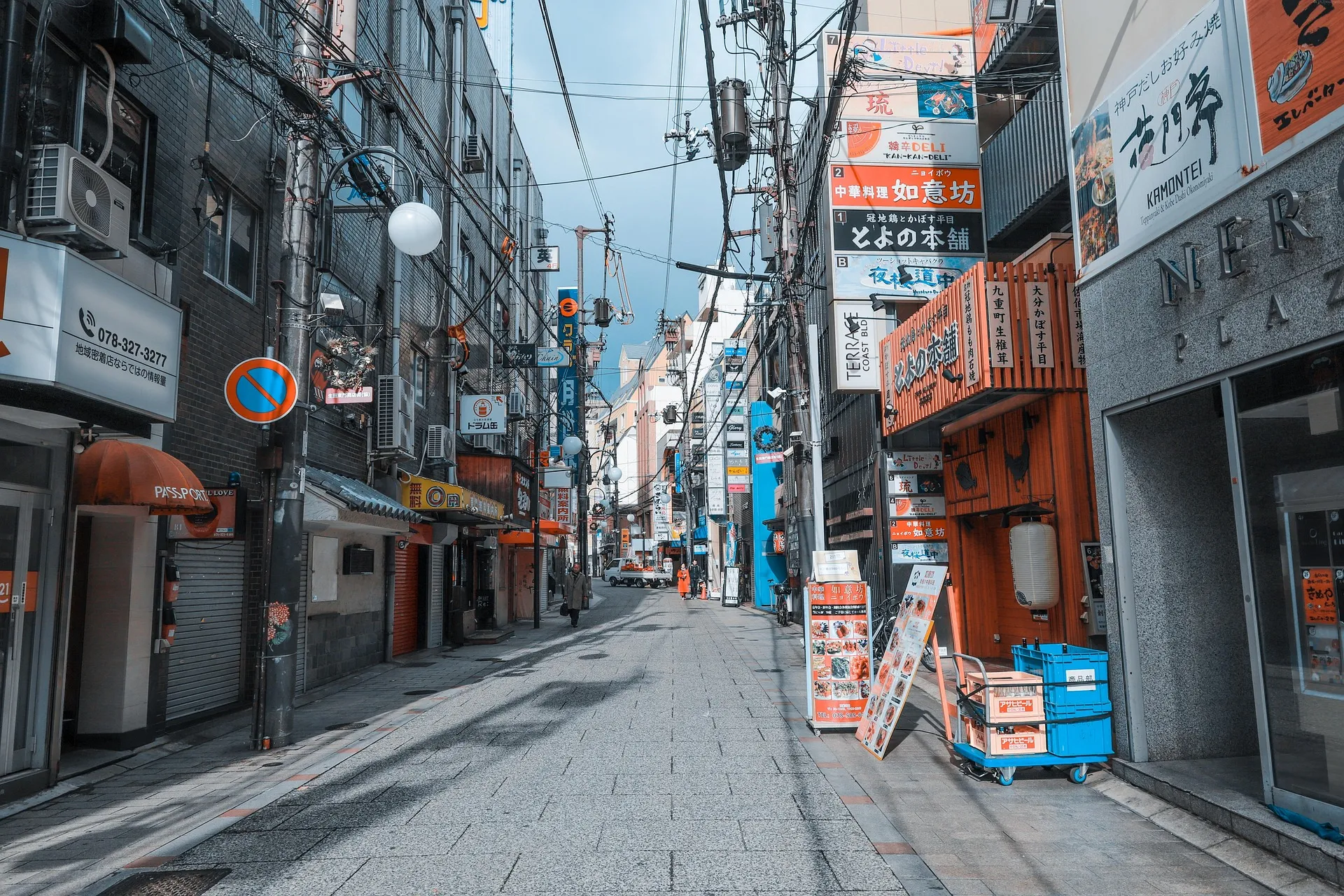
Kobe is shaped by its geography more clearly than most Japanese cities. It stretches along a narrow band of land between the Rokkō mountain range to the north and Osaka Bay to the south. In many places you can look uphill and see forest, then turn around and see the sea.
Opening to the world
The harbour here has been used for many centuries, but the modern city really took shape after the port was opened to foreign trade in the late 1860s, as Japan ended its long period of limited contact with the outside world. Merchants and diplomats from Europe, America and China settled here, and their presence left visible traces.
On the slopes of the Kitano district, Western-style houses built by foreign residents still stand among newer buildings. Closer to the harbour, Nankinmachi is one of Japan's well-known Chinatowns. Kobe also became associated with imported tastes, from bread and coffee to Western-style sweets, alongside the famous Kobe beef from the surrounding Hyōgo region.
The 1995 earthquake
In January 1995, the Great Hanshin earthquake struck the Kobe area, causing heavy loss of life and destroying large parts of the city and port. The recovery took years and changed the city: much was rebuilt, and memorials and museums now help keep alive the memory of the disaster and its lessons about preparedness. For many people in Japan, Kobe's name is closely linked to that event and to the idea of rebuilding.
Everyday Kobe
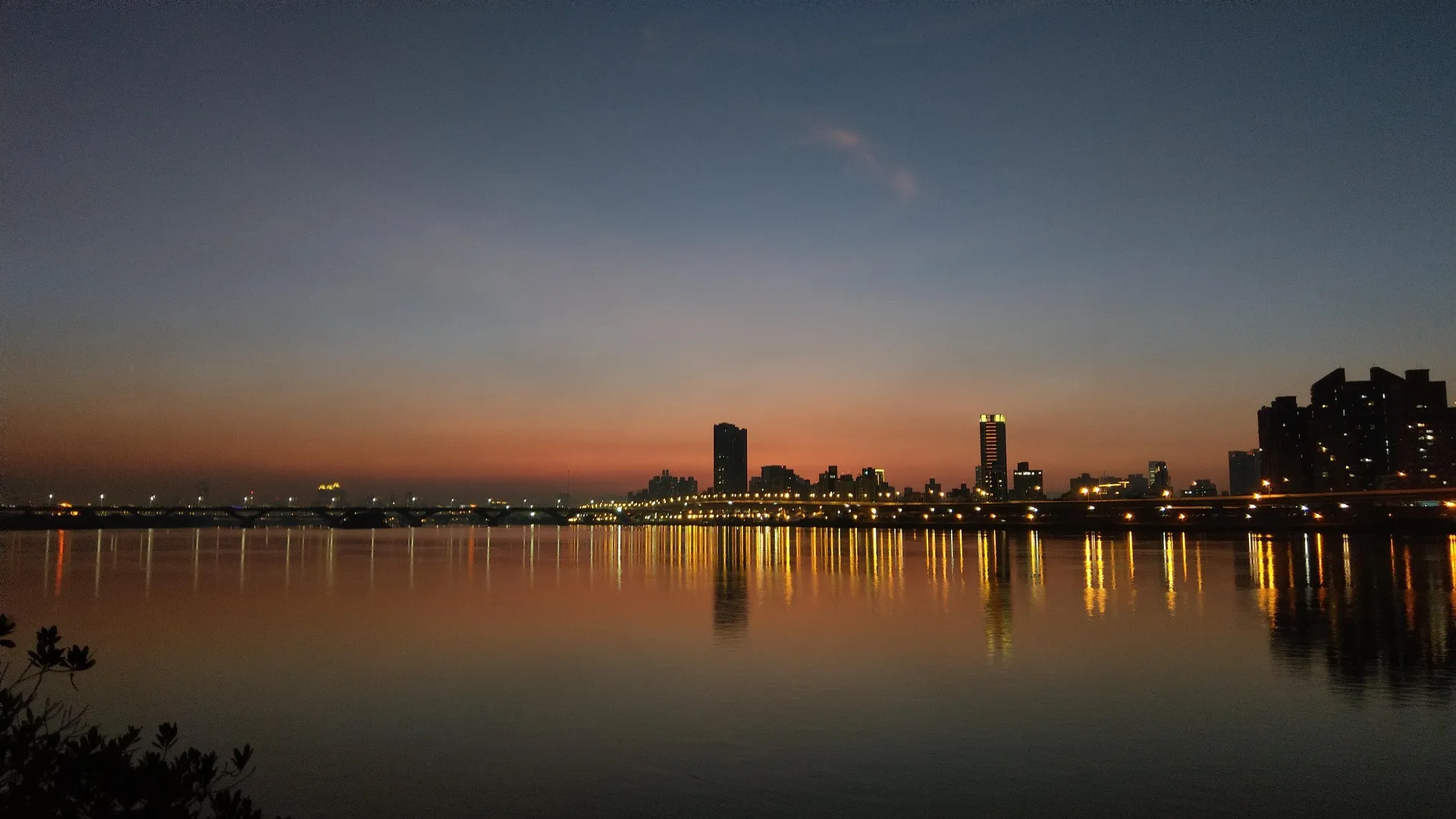
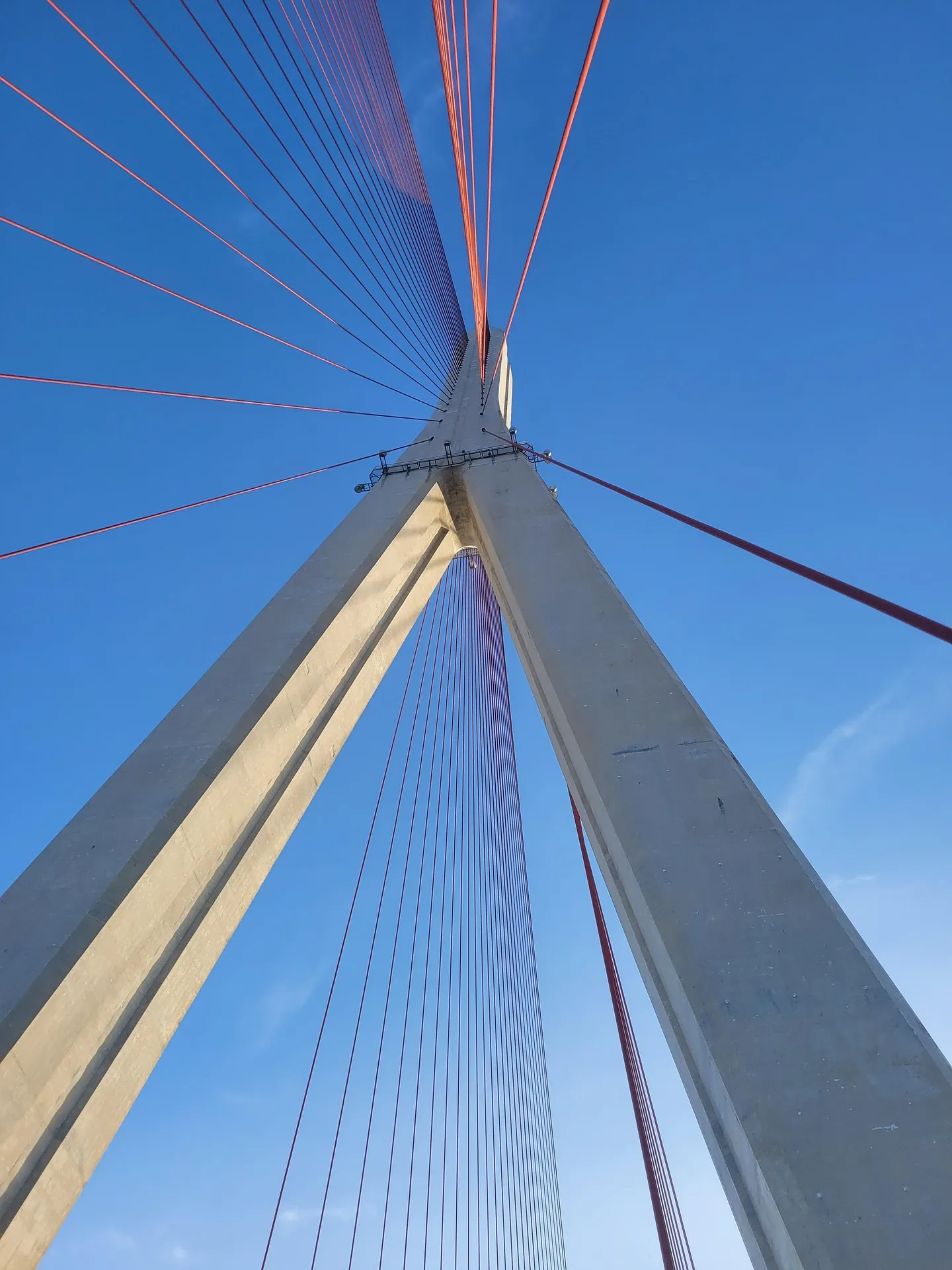
Today Kobe feels relaxed for a city of its size. Covered shopping streets run through the centre, quiet in the early morning before the shops open. The waterfront has been redeveloped with parks and promenades, and bridges and port structures give the skyline its shape at dusk. Not far away, the Rokkō mountains offer hiking and views back over the bay.
Why visit
Kobe is often treated as a side trip from Osaka or Kyoto, and it works well that way, but it has a character of its own: smaller, more open to the sea, and shaped by a history of meeting the outside world. I find that combination of harbour and hillside quietly appealing.
Photos: cplz99atcsnilyk, chris810, ravishing on Pixabay, used under the Pixabay Content License. These are not my photographs.
Related
6 photos
Views: 0
6 photos
Views: 0
5 photos
Views: 0