
Tokyo: a city of many centres
Tokyo has no single downtown. It is a ring of districts, each with its own station, mood and history, held together by trains. A short profile of how the city grew and how to read it.
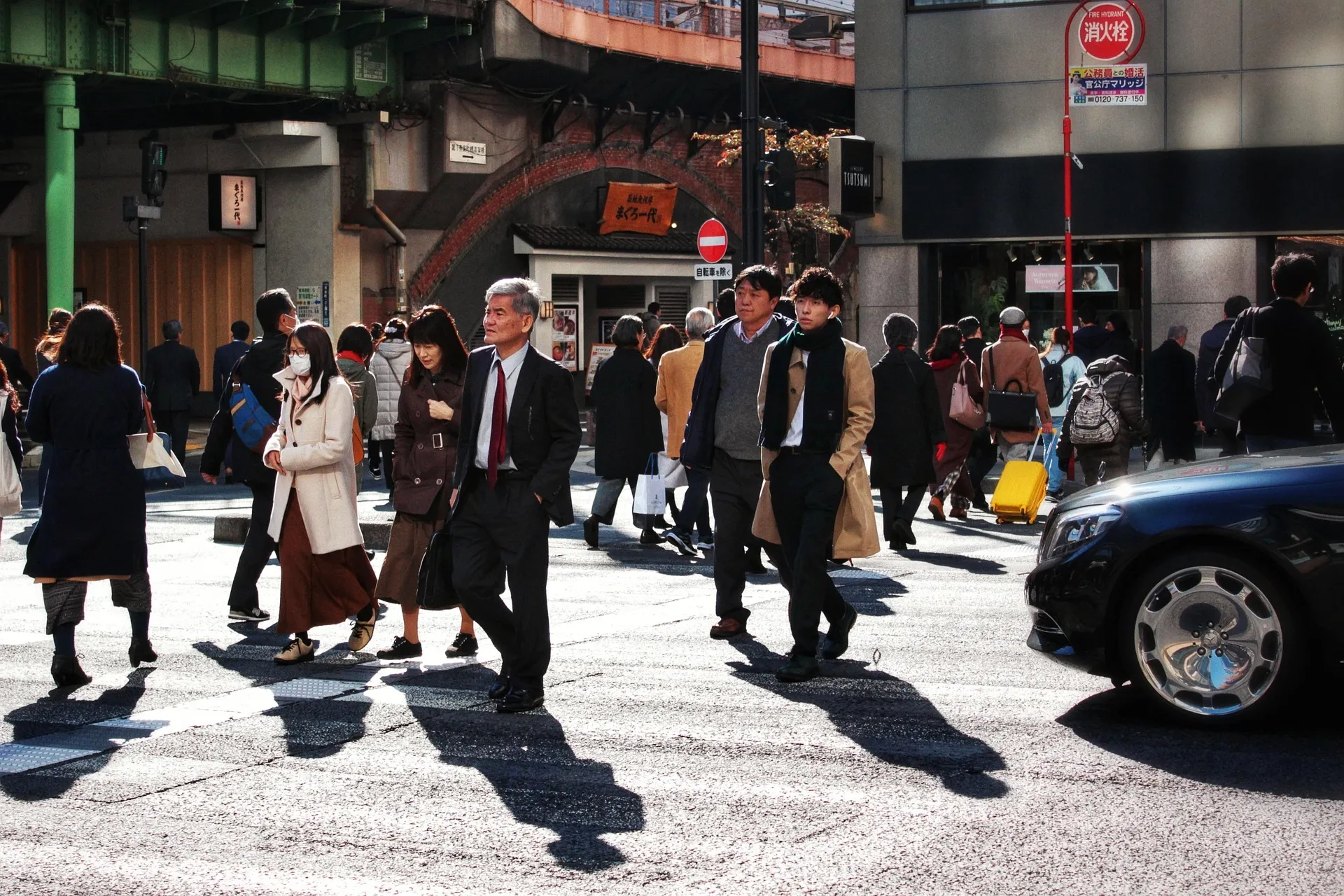
Most capitals have a centre you can point to on a map. Tokyo has many. The city is better understood as a cluster of districts, each gathered around a large railway station, each with its own character, joined by one of the densest train networks in the world.
From Edo to Tokyo
Tokyo began as Edo, a castle town that became the seat of the Tokugawa shogunate in the early 17th century. When the emperor moved here in 1868, the city was renamed Tokyo, "eastern capital". Since then it has been rebuilt more than once, after the Great Kantō earthquake of 1923 and again after the Second World War, which is one reason so little of old Edo survives above ground. What did survive is the pattern: neighbourhoods that grew up as separate places and never fully merged.
A ring of districts
The Yamanote Line, a loop railway, is a useful way to picture the city. Around it sit districts that feel like different towns: the office towers and government buildings of Shinjuku, the shopping streets and youth culture of Shibuya, the department stores of Ginza nearby, the older temple quarter of Asakusa to the east. Shibuya's scramble crossing, where traffic stops in every direction and the crowd floods across at once, has become a symbol of the whole city.
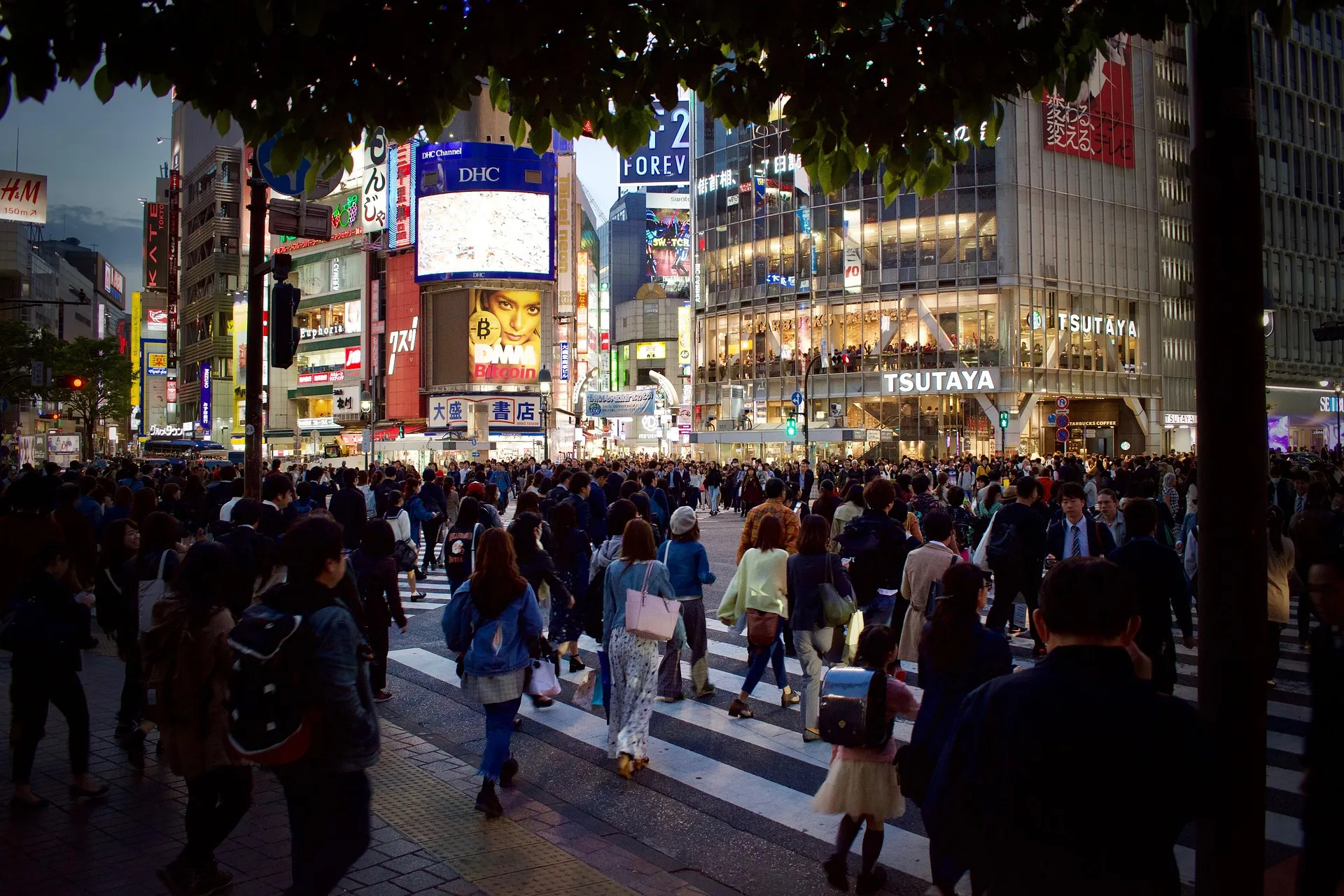
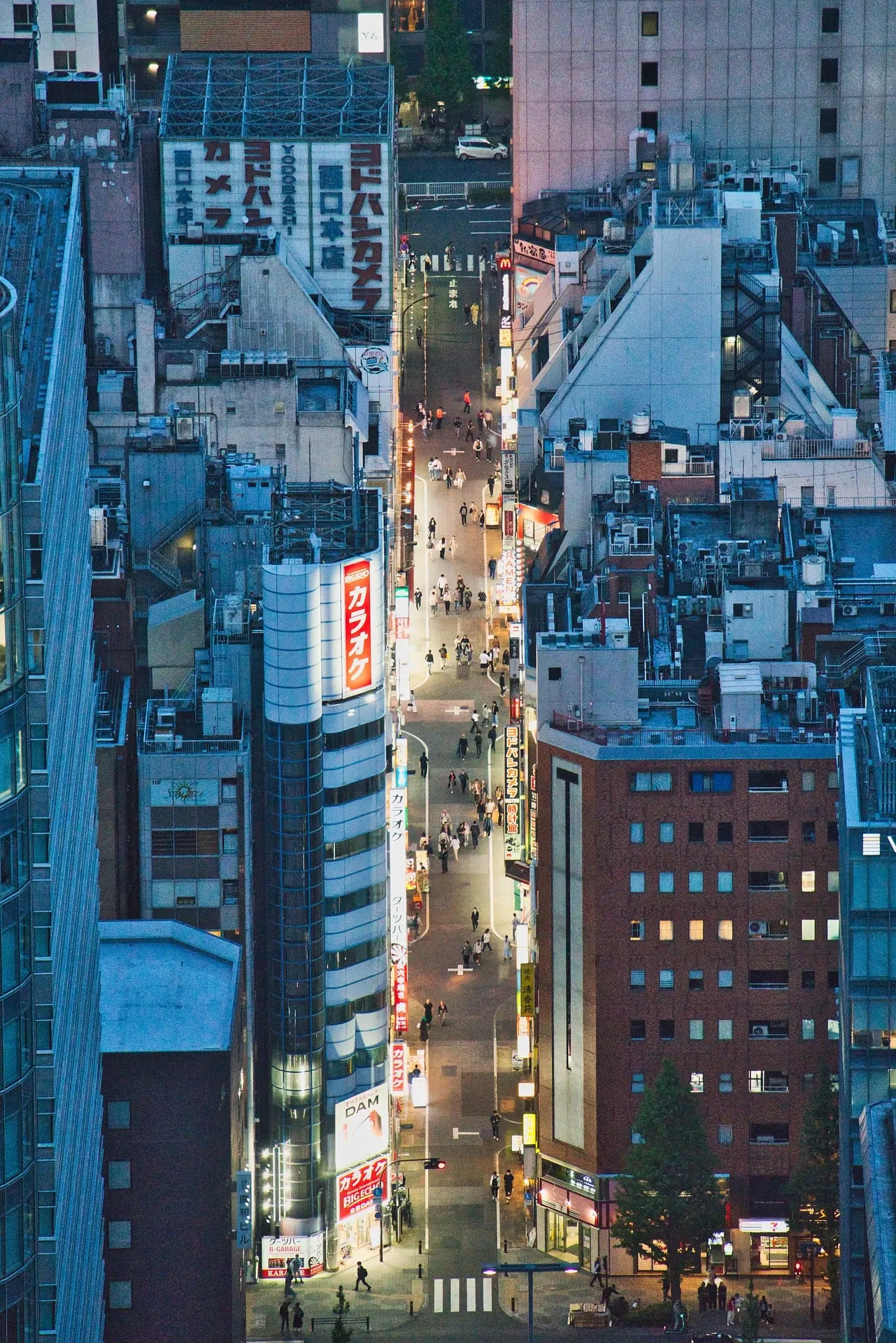
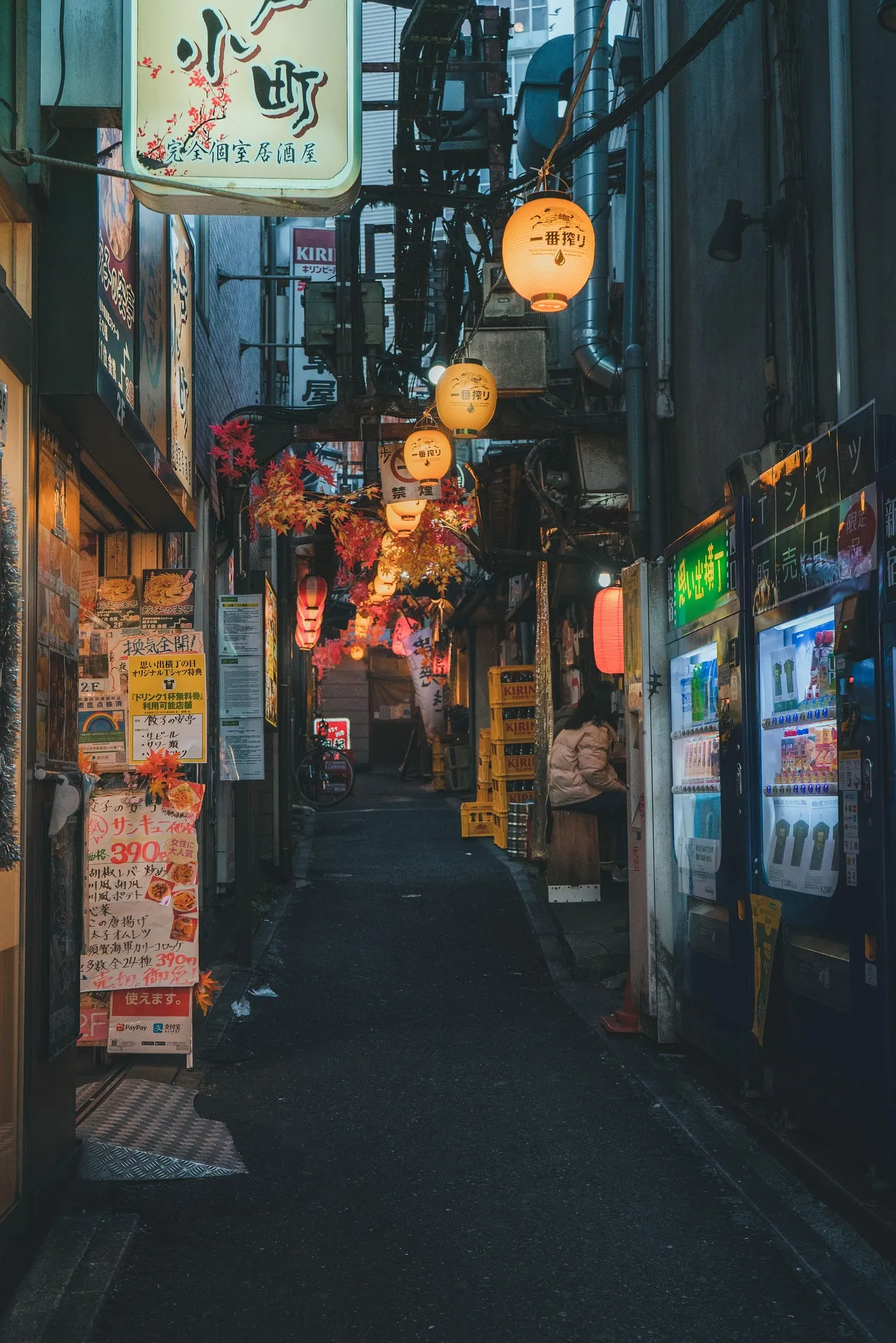
Between the big stations, Tokyo is surprisingly quiet. Step a block away from a main road and you often find narrow residential lanes, small shrines, potted plants on doorsteps and bicycles parked in rows. The contrast between the crowded hubs and the calm streets behind them is, for many visitors, the most memorable part of the city.
Old and new side by side
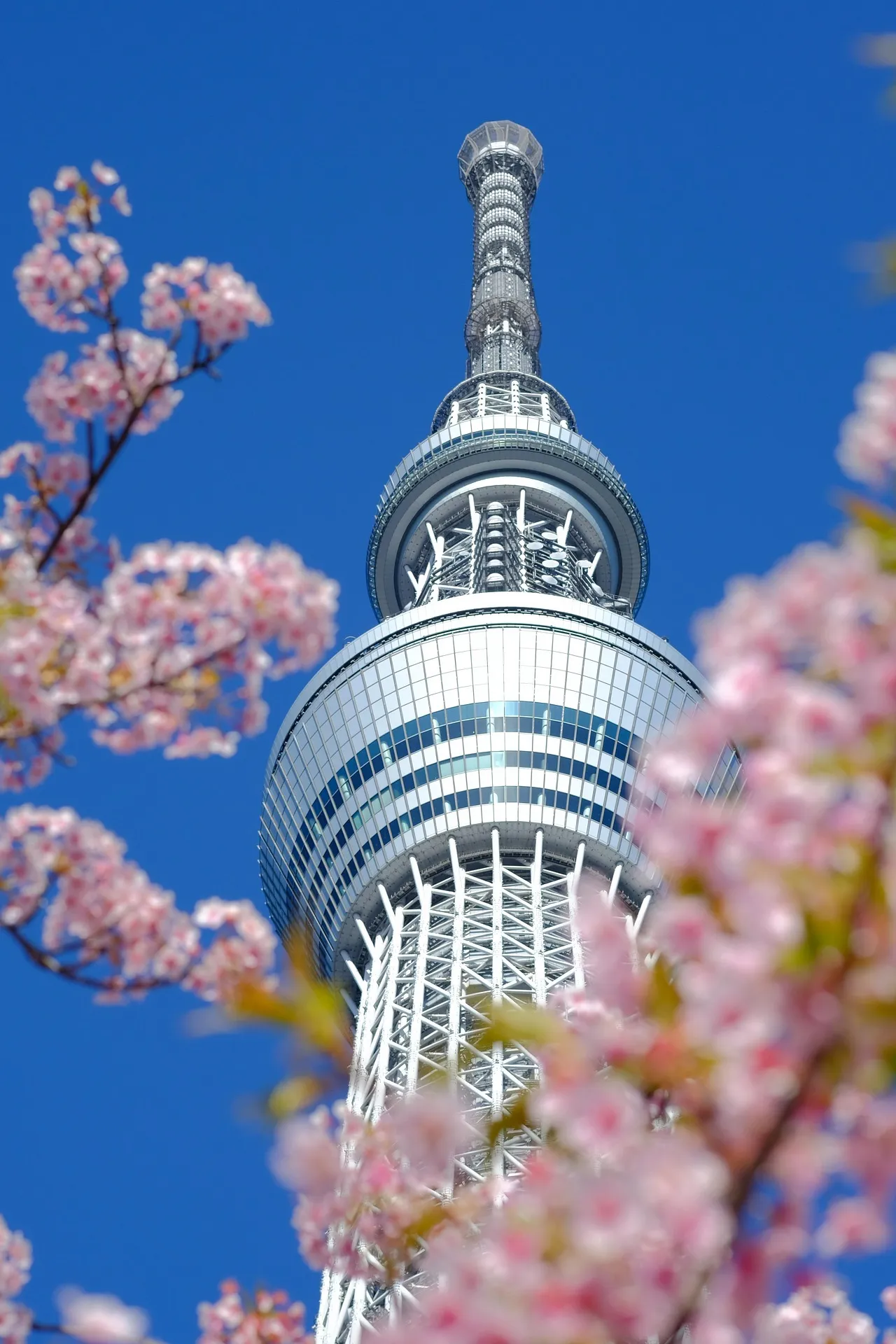
On the east side, near Asakusa, Tokyo Skytree rises 634 metres above the Sumida district. Opened in 2012 as a broadcasting tower, it is one of the tallest structures in the world, yet it stands within sight of low-rise streets. In spring, cherry trees along the rivers and in the parks frame it, and the old and the new share the same view.
Reading the city
If you visit for the first time, it may help to treat Tokyo as several small cities rather than one large one. Choose two or three districts, spend time walking the side streets, and let the trains handle the distance in between.
Photos: marcellinusjerricho, mailtotobi, r-q, phgvu307 on Pixabay, used under the Pixabay Content License. These are not my photographs.
Related
6 photos
Views: 0
6 photos
Views: 0
5 photos
Views: 0