
Matcha, from tea ceremony to latte
Matcha has travelled from Japanese tea rooms to cafés all over the world. What it actually is, how it is made, and why it tastes the way it does.
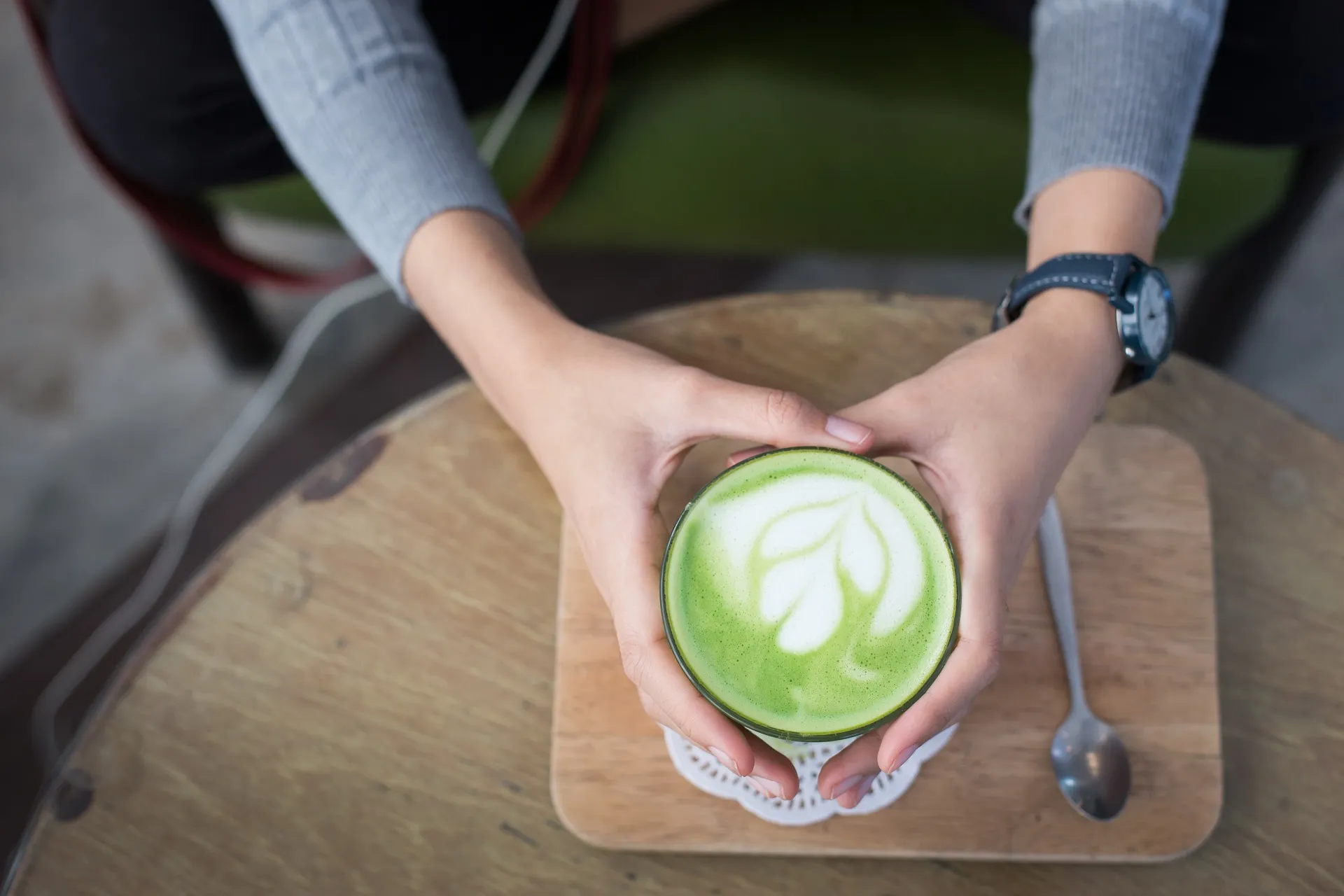
Matcha is everywhere now: in lattes, ice cream, cakes and chocolate. It is easy to forget that it began as something much quieter, a tea prepared slowly in a small room.
What matcha is
Matcha is powdered green tea. The tea plants are shaded for several weeks before harvest, which changes the leaves: they become a deeper green and develop more of the savoury, rounded taste the Japanese call umami. The leaves are steamed, dried, stripped of stems and veins, and then ground very finely, traditionally with stone mills.
Unlike most tea, you do not steep and remove the leaves. You whisk the powder into water and drink all of it. That is why matcha is richer, and why quality makes such a difference.
The tea ceremony
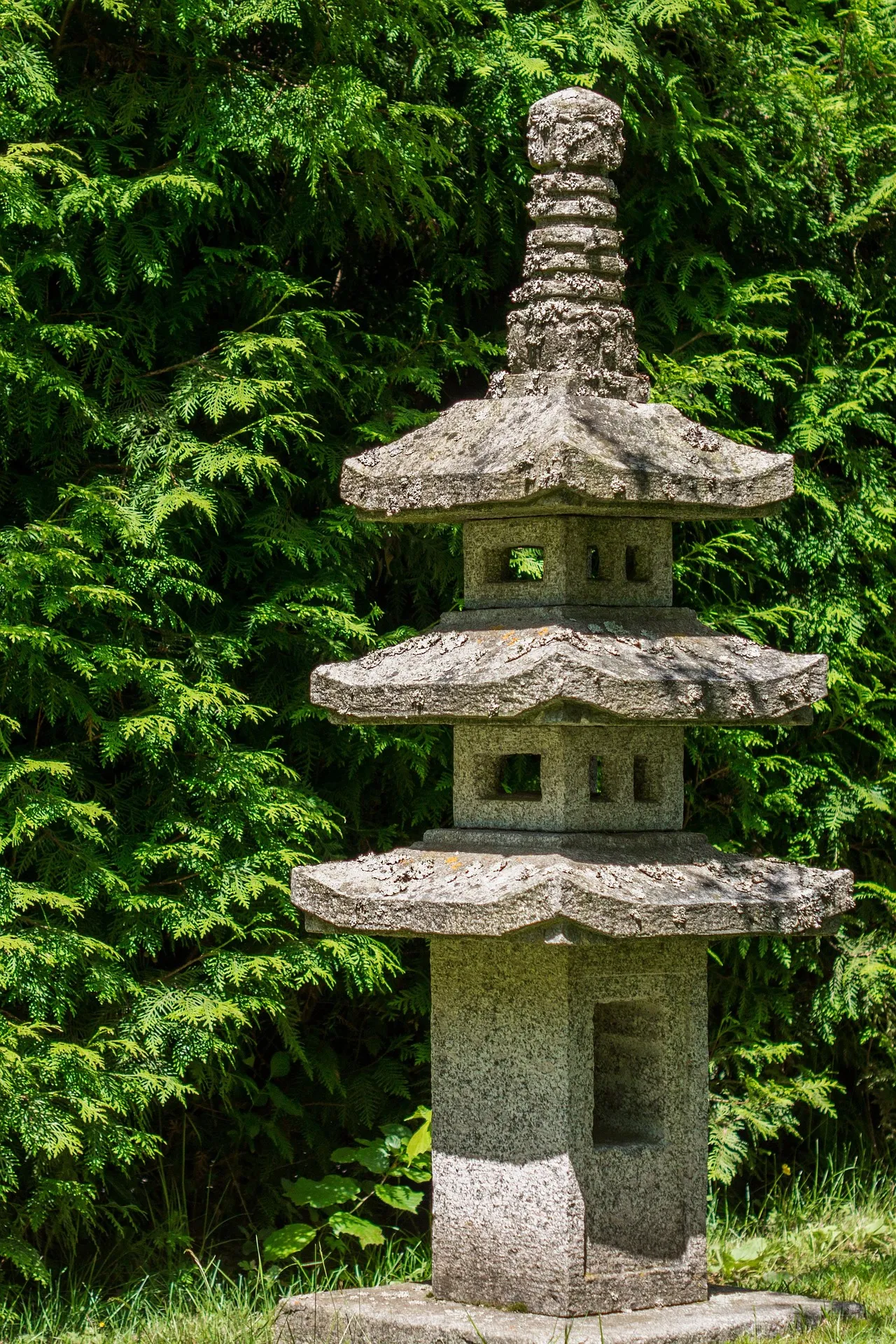
The Japanese tea ceremony, chanoyu or sadō, the "way of tea", grew from Zen Buddhist practice and was shaped into its classic form by the tea master Sen no Rikyū in the 16th century. It is less about the drink than about attention: the movements, the seasonal flower in the alcove, the bowl, the guest and host sharing a moment.
Two styles of matcha are made in the ceremony:
- Usucha, thin tea, whisked until frothy
- Koicha, thick tea, kneaded into a dense, glossy paste with much more powder
Where it grows
Uji, just south of Kyoto, is the most famous name in Japanese tea, though matcha is produced in several regions of Japan.
Matcha at home
You need little: a bowl, a bamboo whisk (chasen), a sieve and water that is hot but not boiling. Sift the powder, add a small amount of water, and whisk quickly in a zig-zag until a fine foam appears.
I like the contrast between the café version and the original. One is a sweet treat on the way somewhere; the other asks you to sit still for a few minutes. Both have a place, and the second is worth trying at least once.
Photos: dungthuyvunguyen, alexanderstein, kanenori on Pixabay, used under the Pixabay Content License. These are not my photographs.
Related
2 min readLife
Views: 1Making a small room feel like home
Students and researchers abroad often live in small, temporary rooms. Some thoughts on why a few deliberate details matter more than space.
1 min readLife
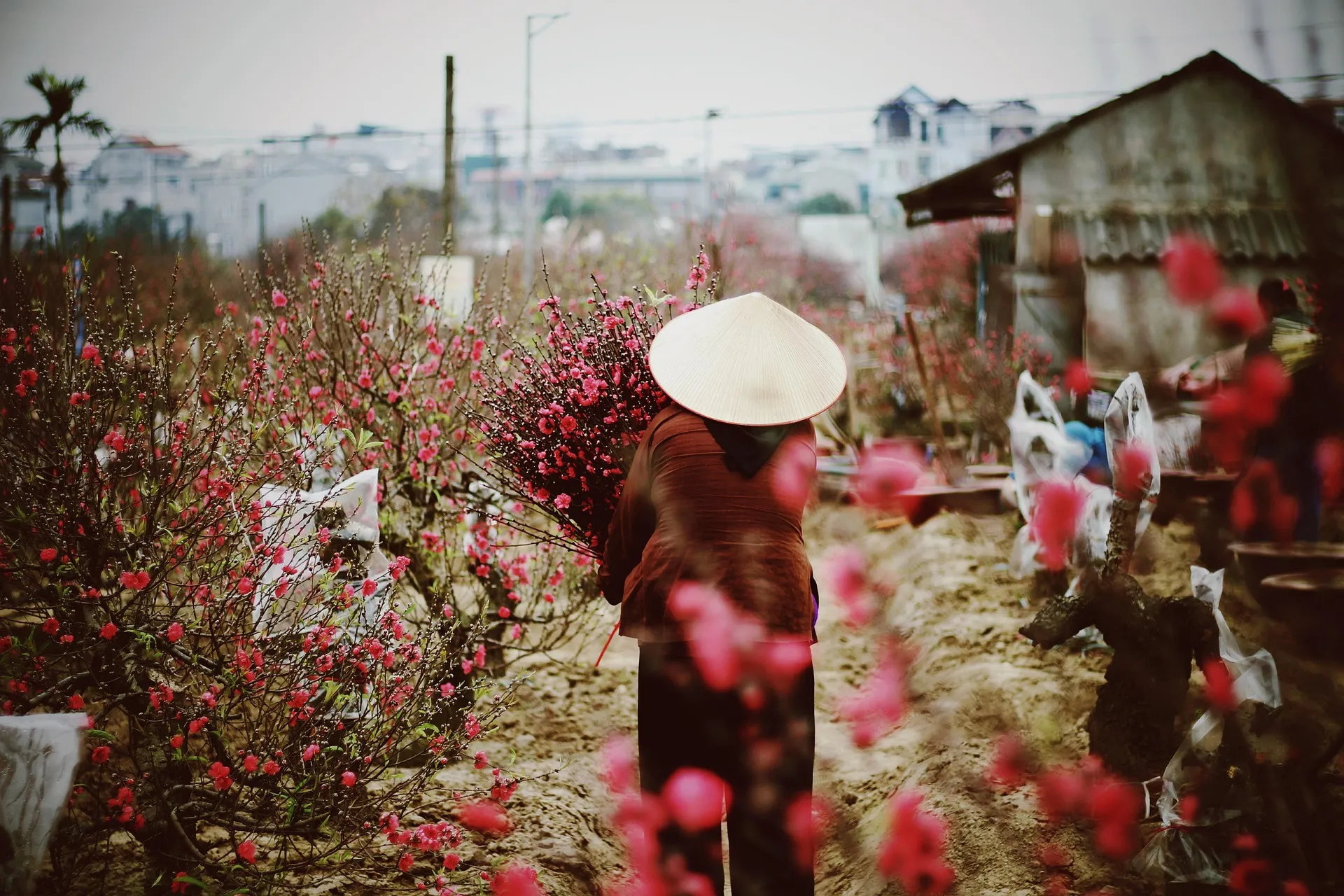
Views: 1Peach blossom season
In northern Vietnam, Tết does not really begin until the peach branches arrive.
2 min readLife
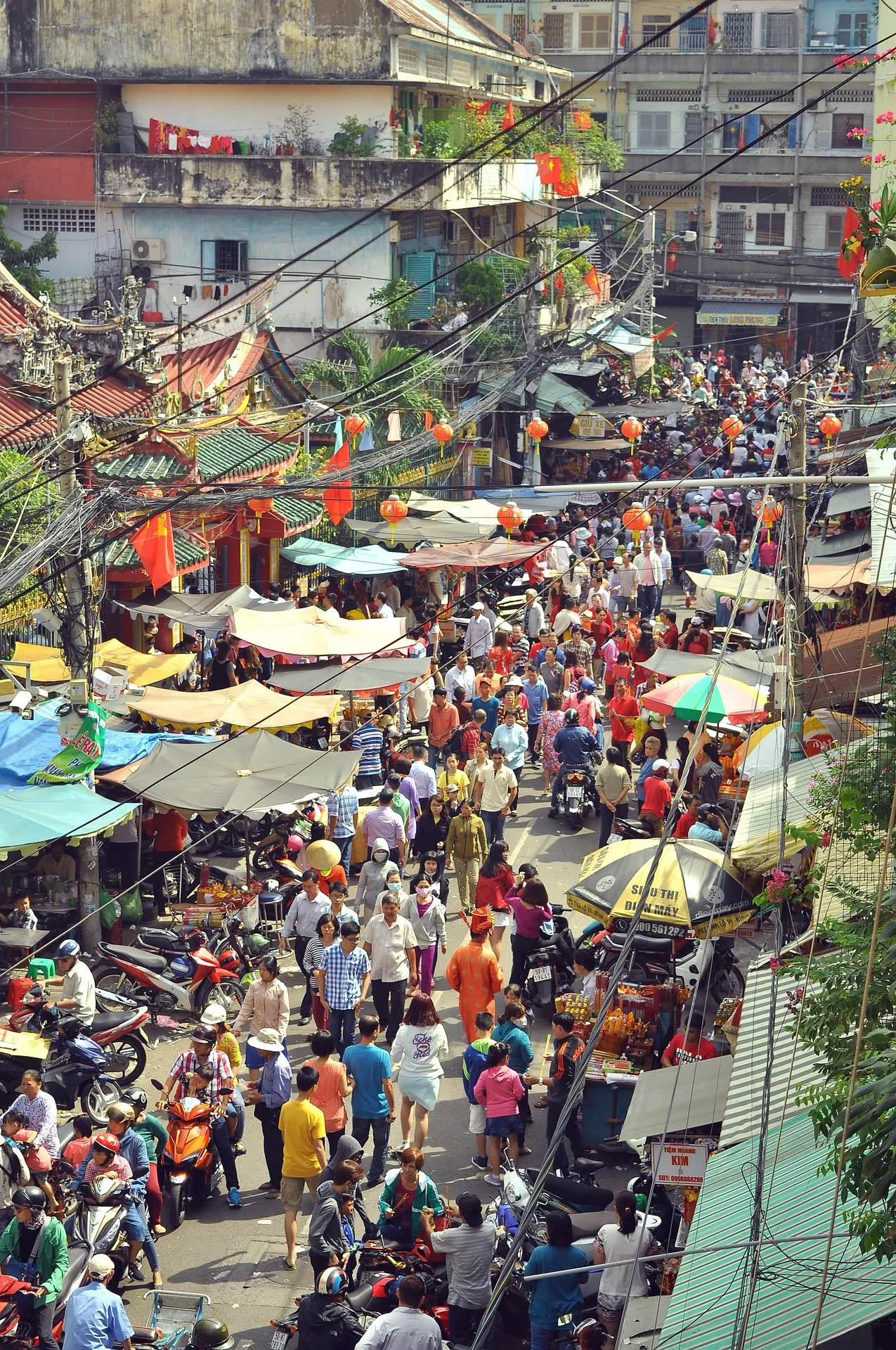
Views: 0In praise of the morning market
Supermarkets are convenient, but the traditional market is where a city shows what it eats and how it lives. A reflection on chợ in Vietnam and morning markets in Taiwan.
2 min readLife
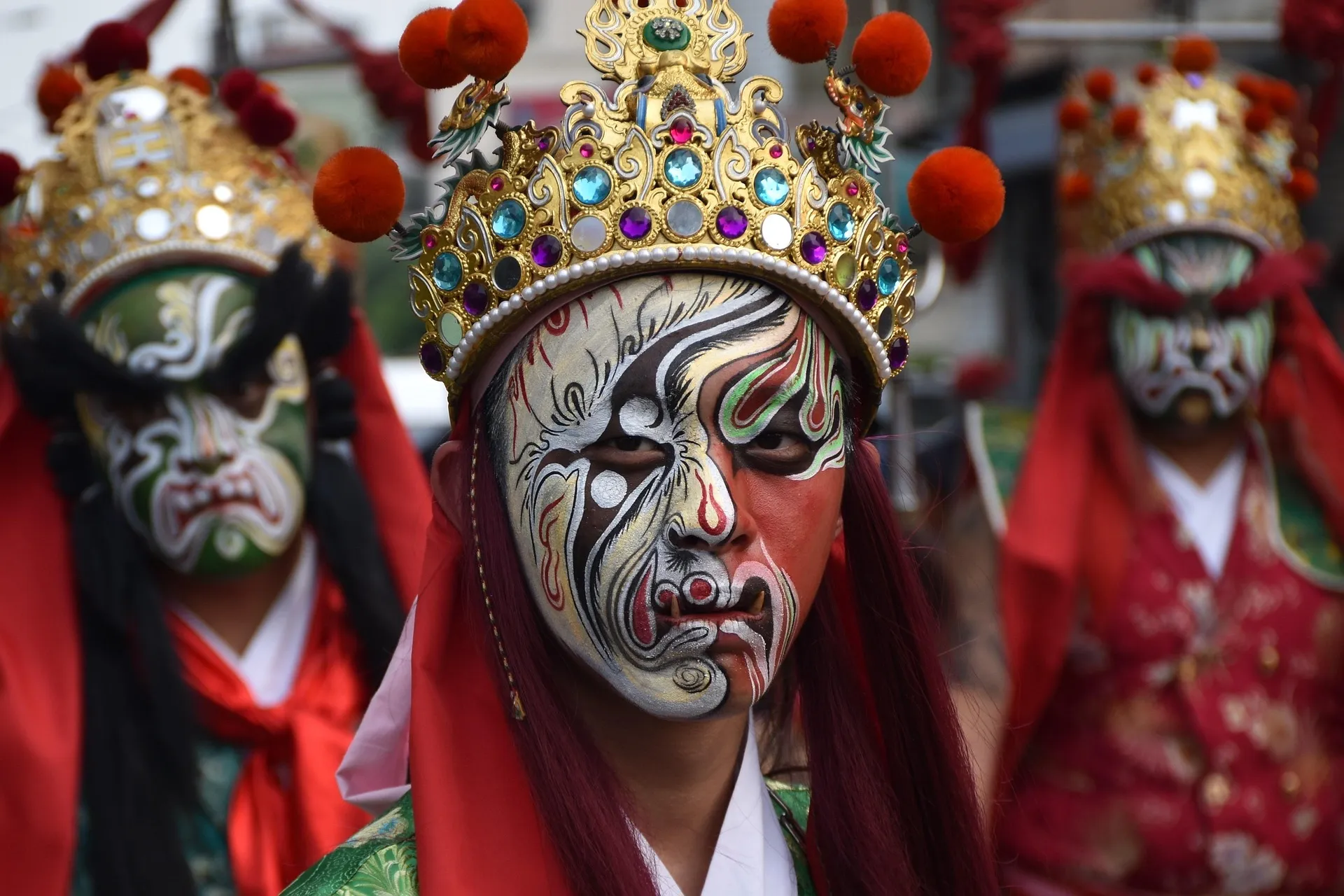
Views: 1Temple festivals and the goddess of the sea
Taiwan's folk temples are loud, colourful and close to everyday life. An introduction to temple festivals, processions and Mazu, the sea goddess.