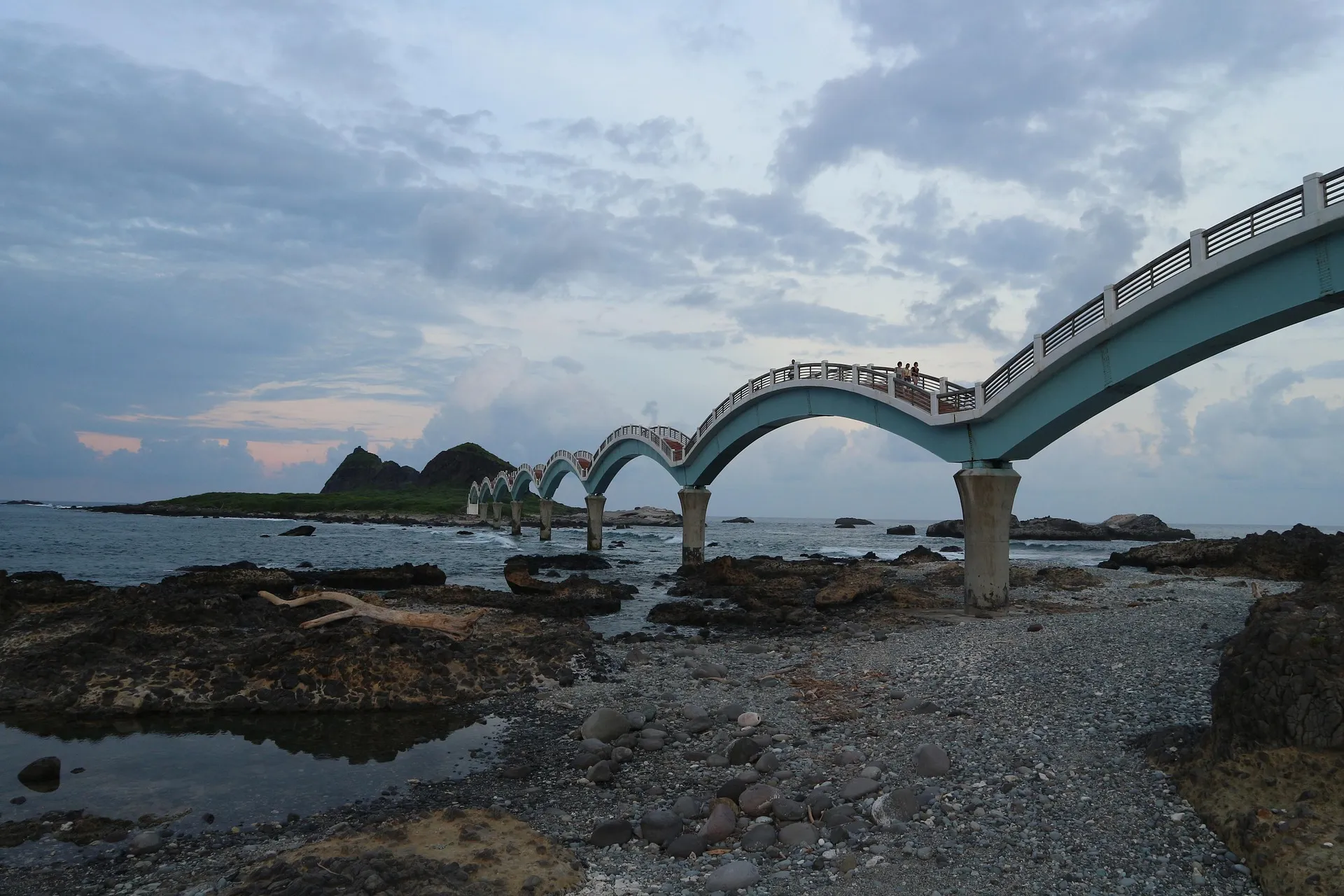
Tainan, the old capital
Taiwan's oldest city was its capital for more than two centuries. Today it is known for temples on almost every street, slow afternoons and food that leans a little sweet.
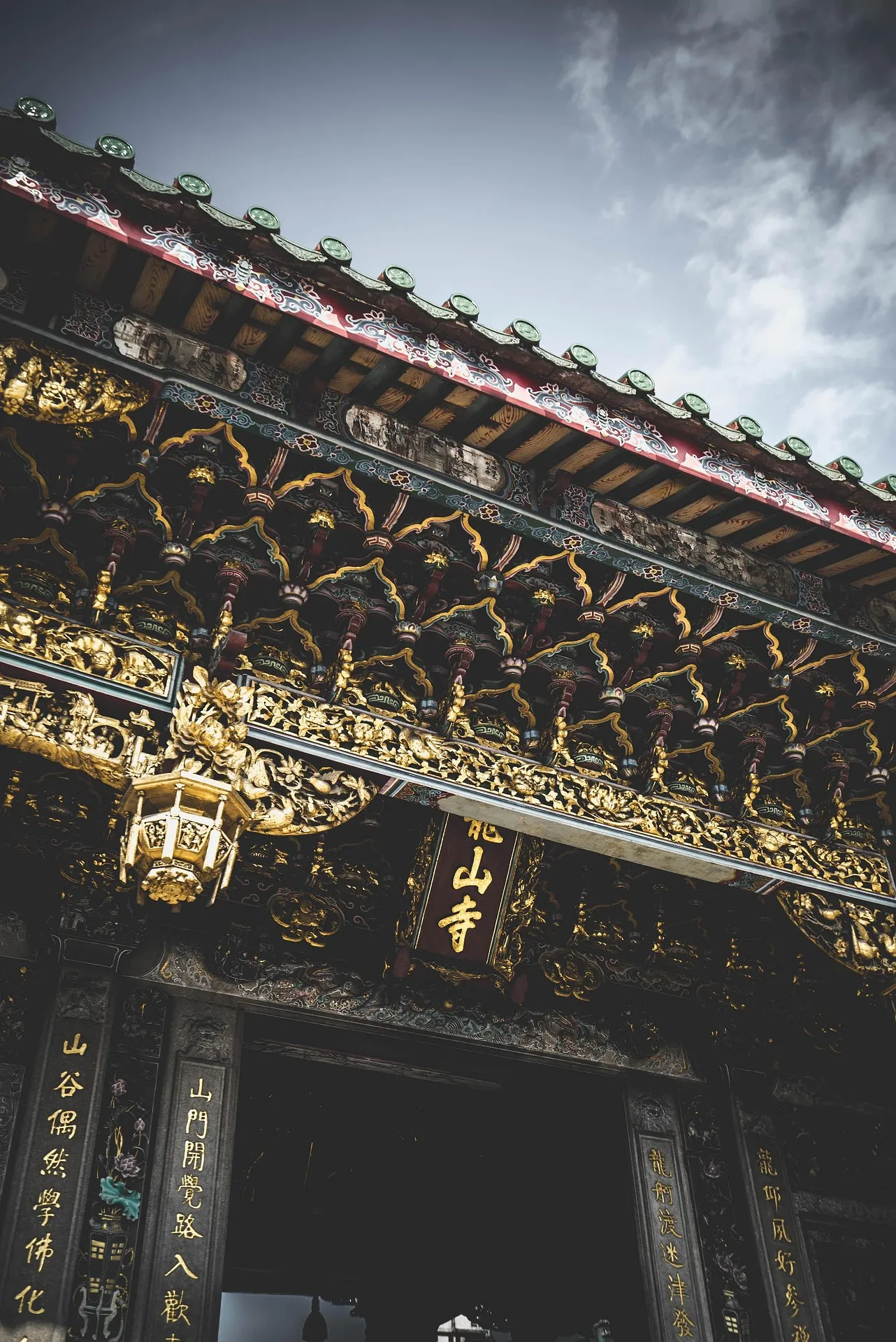
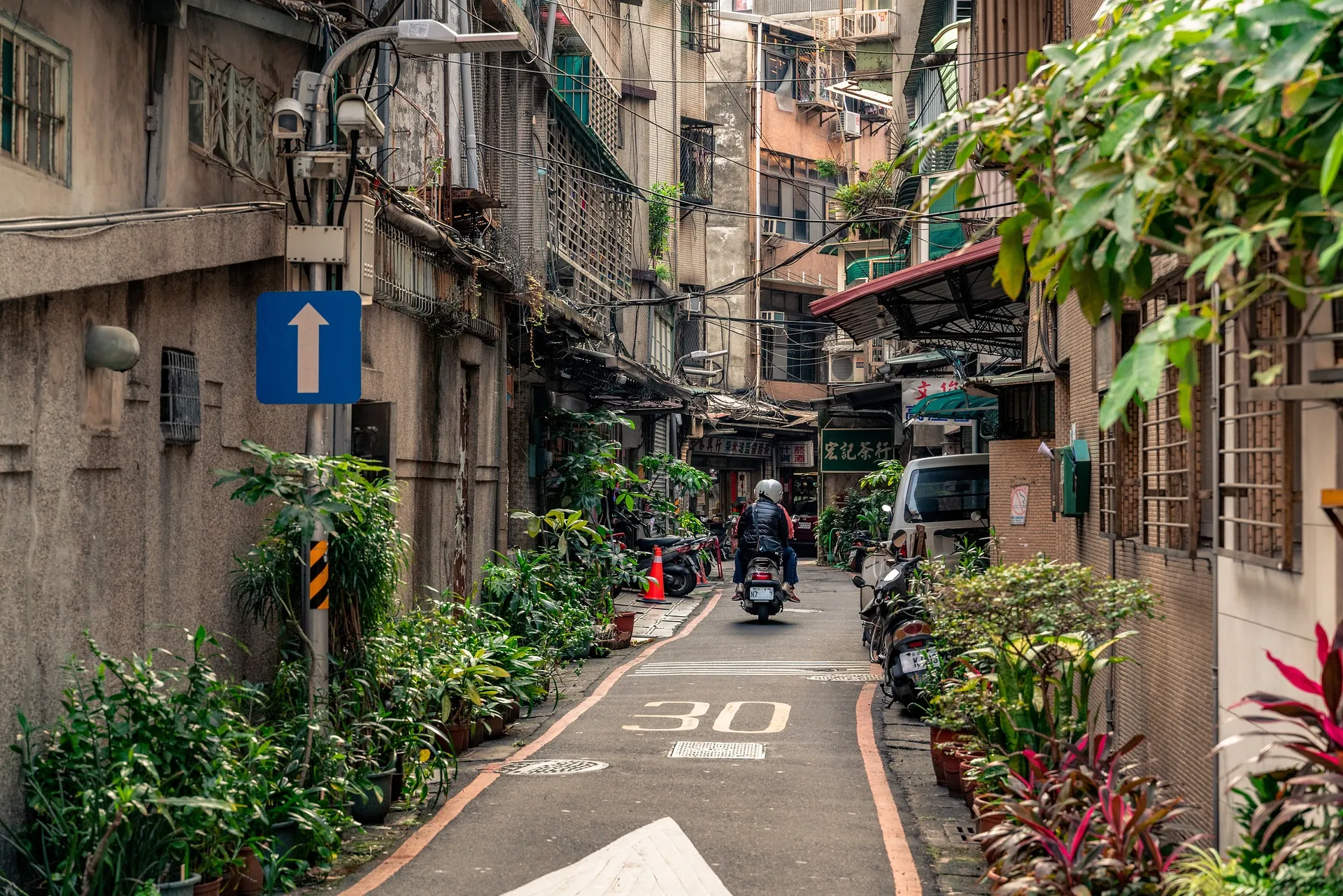
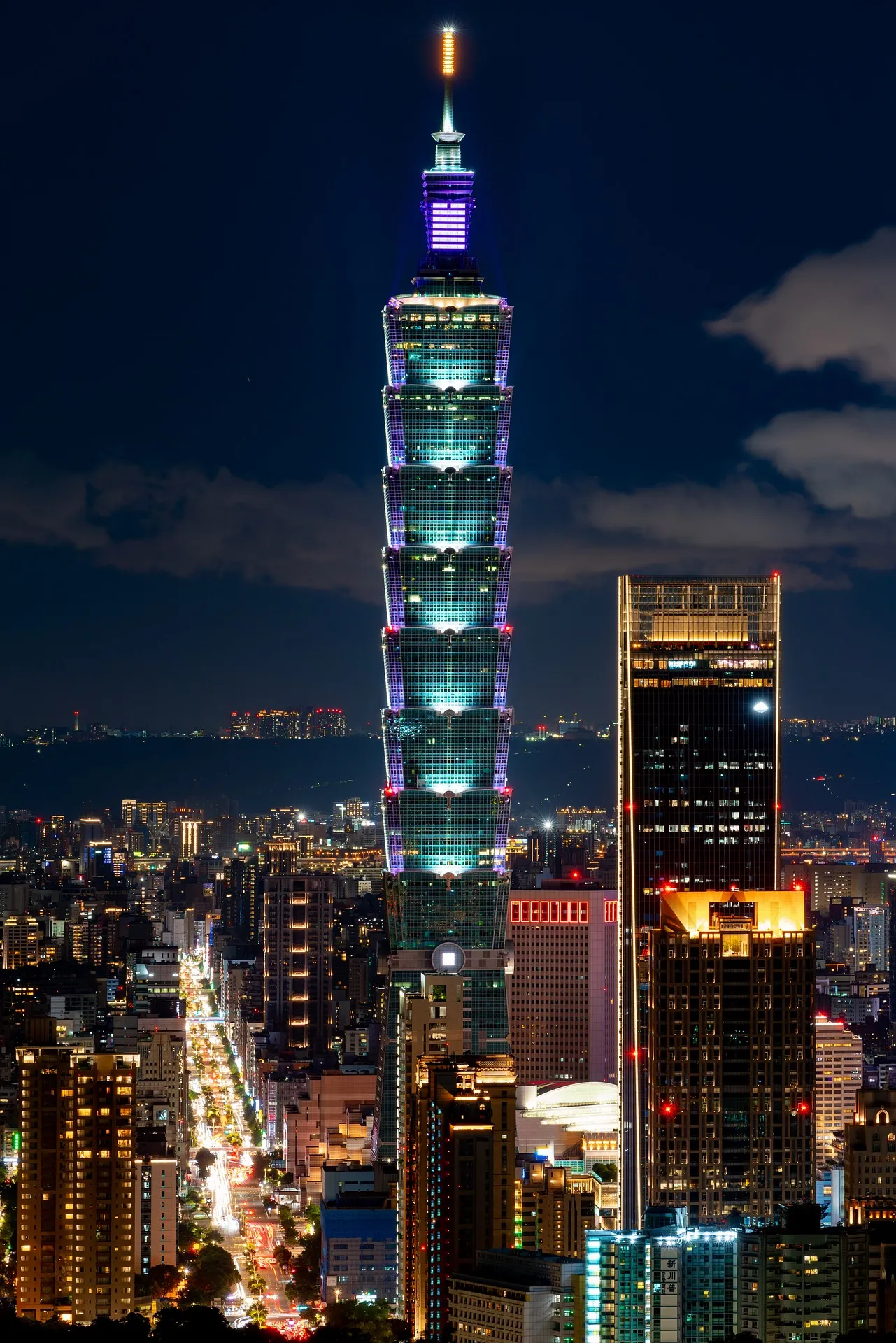
If Taipei is Taiwan's present, Tainan is where much of its written history begins. The city lies on the southwestern plain and was the island's political centre for more than two hundred years. It carries that weight lightly, in narrow lanes, low buildings and an extraordinary number of temples.
Layers of history
In the 1620s the Dutch East India Company built Fort Zeelandia at Anping, on what was then a sandbar at the edge of a lagoon, and later Fort Provintia on the mainland side. In 1662 the Ming loyalist Koxinga (Zheng Chenggong) drove the Dutch out and made the area his base. Under Qing rule, Tainan remained the capital of Taiwan until the late 19th century, when the administrative centre moved north to Taipei.
Traces of each period remain: the brick walls at Anping, the pavilions of Chihkan Tower on the site of Fort Provintia, and the Confucius Temple, often described as the first school on the island.
A city of temples
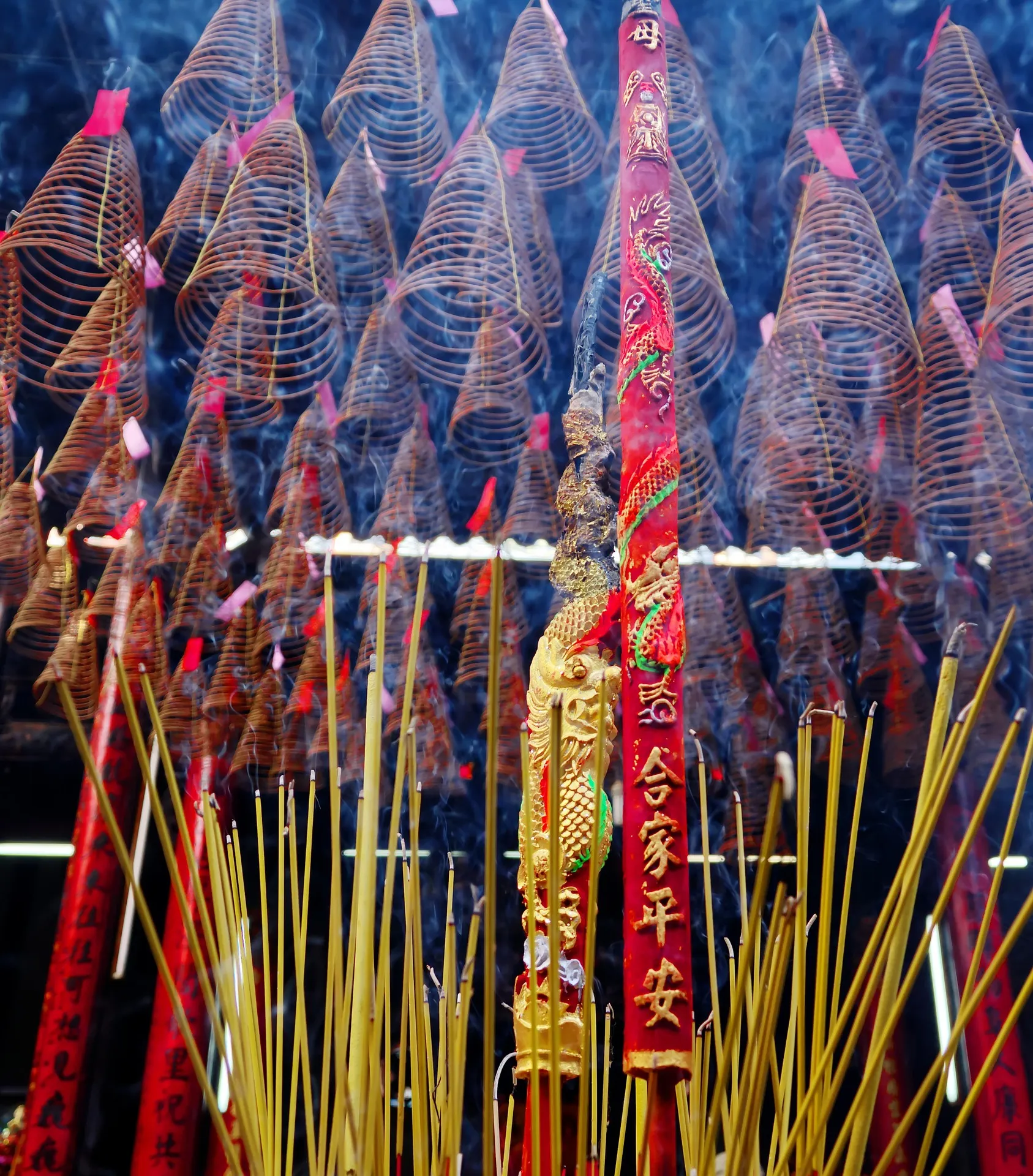
Tainan is often said to have more temples per street than anywhere else in Taiwan. Some are grand, such as the Grand Matsu Temple and the Official God of War Temple; many are small neighbourhood shrines tucked between houses. They are not museums. Incense is lit every morning, offerings are laid out, and festivals bring processions through the streets.
Food
For many Taiwanese, Tainan is first of all a food city. Its dishes are often described as slightly sweeter than in the north, a habit sometimes linked to the region's long history of growing sugar cane. Well-known local foods include danzai noodles, milkfish, beef soup eaten early in the morning, and coffin bread, a thick slice of fried toast filled with a creamy stew. The best of it comes from small stalls that have been making one thing for a long time.
Living in the south
Since 2024 I have lived in Tainan as a doctoral student at National Cheng Kung University. What I notice most is the pace: afternoons are long, the sun is strong, and the city does not try to impress anyone. Winters are short and mild, and the dry months from late autumn to spring are the easiest time to walk the old streets. Summers are hot, with heavy afternoon rain.
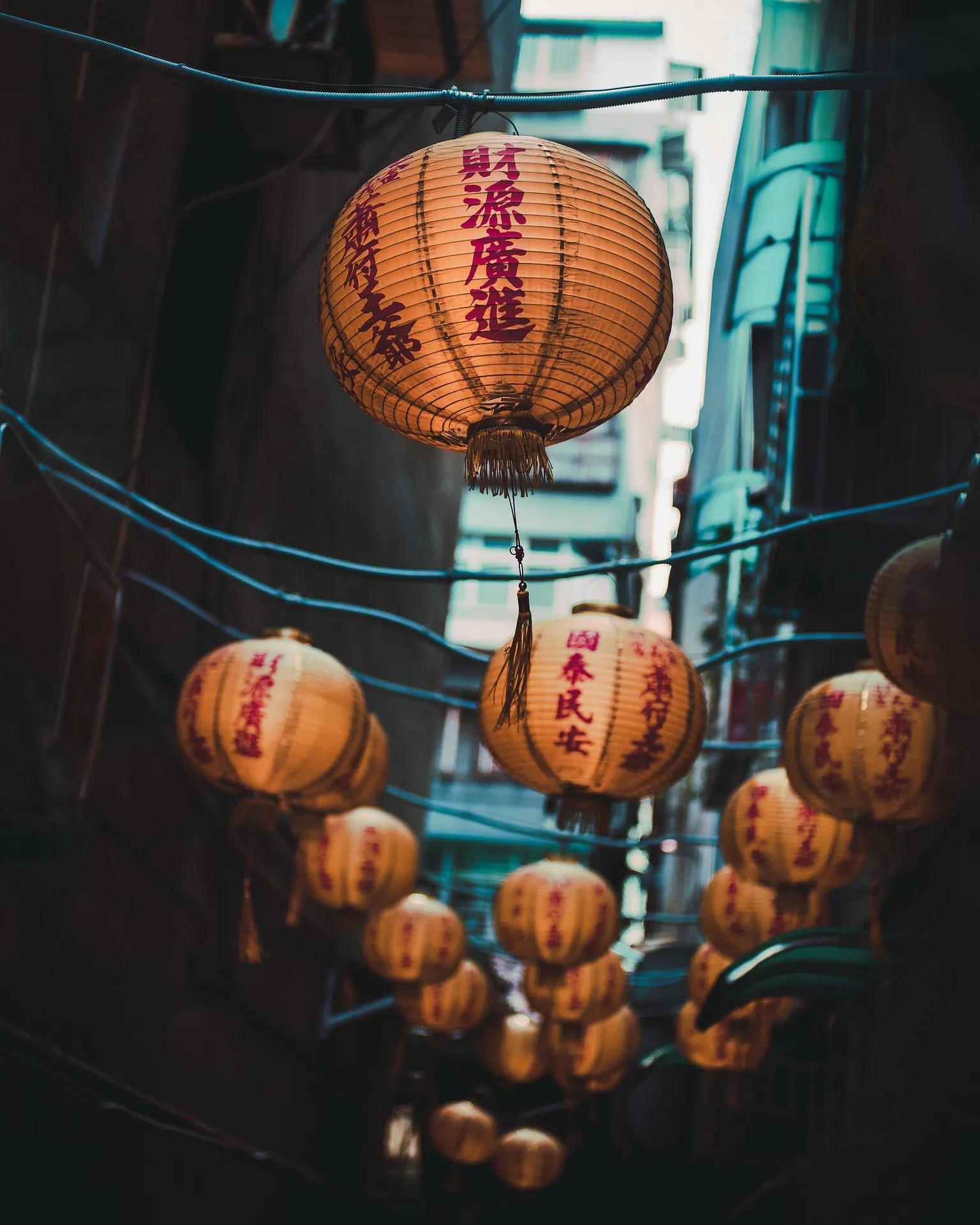
Tainan is best seen on foot or by bicycle, one lane and one temple at a time.
Photos: stevenstung, michoff, 4601460 on Pixabay, used under the Pixabay Content License. These are not my photographs.
Related
7 photos
Views: 1