
Kyoto: layers of a former imperial capital
For more than a thousand years Kyoto was where Japan's emperors lived. The city today is a set of layers: a grid plan from the 8th century, temples from many eras, and an ordinary modern city in between.
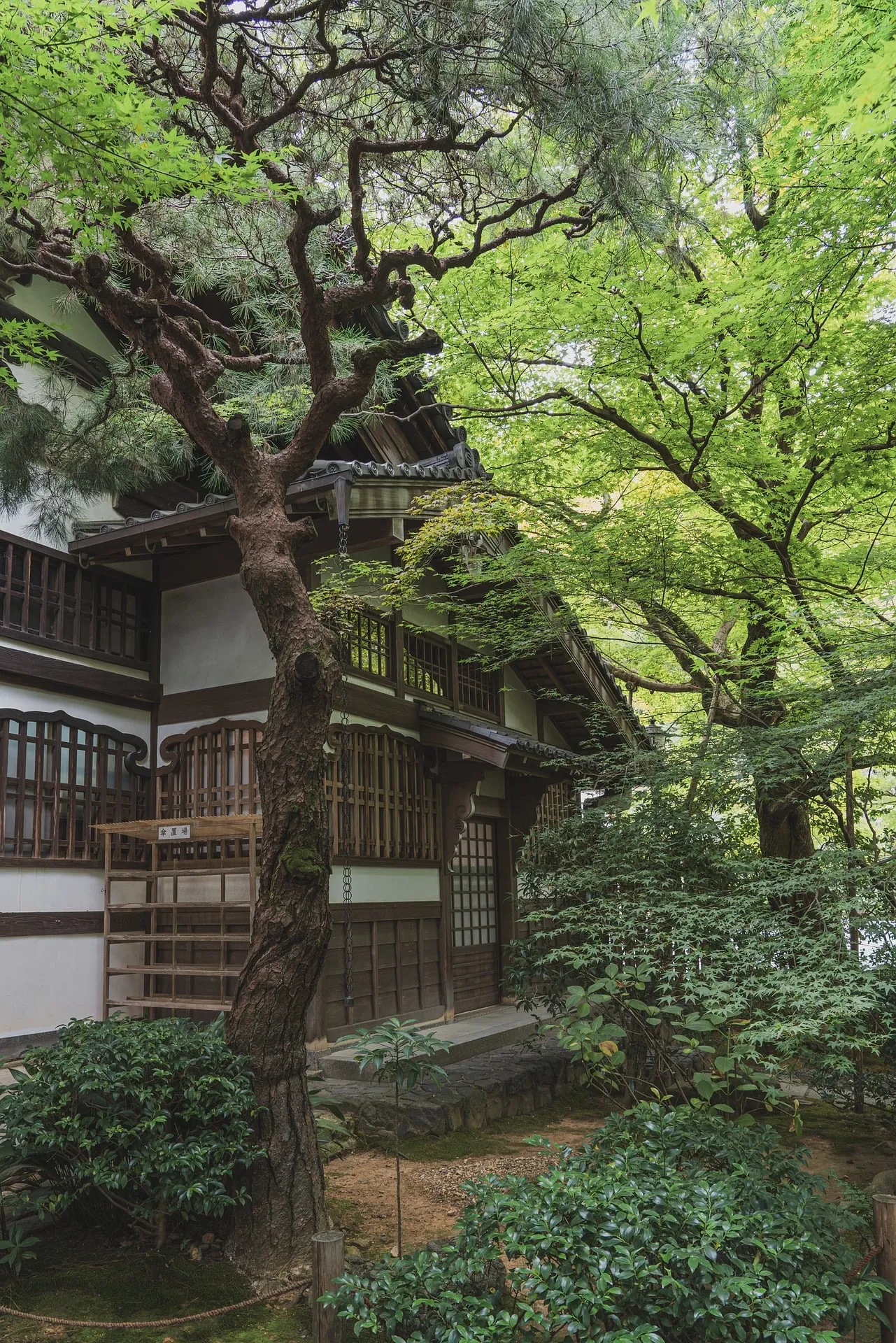
Kyoto is often described as Japan's cultural heart, and the description has a basis in history. From the founding of Heian-kyō in 794 until the move to Tokyo in 1868, this was the imperial capital. More than a thousand years of court life, religion and craft left their mark, and the city still reads as a series of layers.
The grid and the mountains
The first layer is the plan. Heian-kyō was laid out as a grid, modelled on Chinese capitals of the time, in a basin surrounded on three sides by low wooded mountains. Many of Kyoto's streets still follow that grid, which makes the centre easy to navigate. The mountains matter too: many of the best-known temples sit on the slopes at the edge of the basin, where the city meets the forest.
Temples of many eras
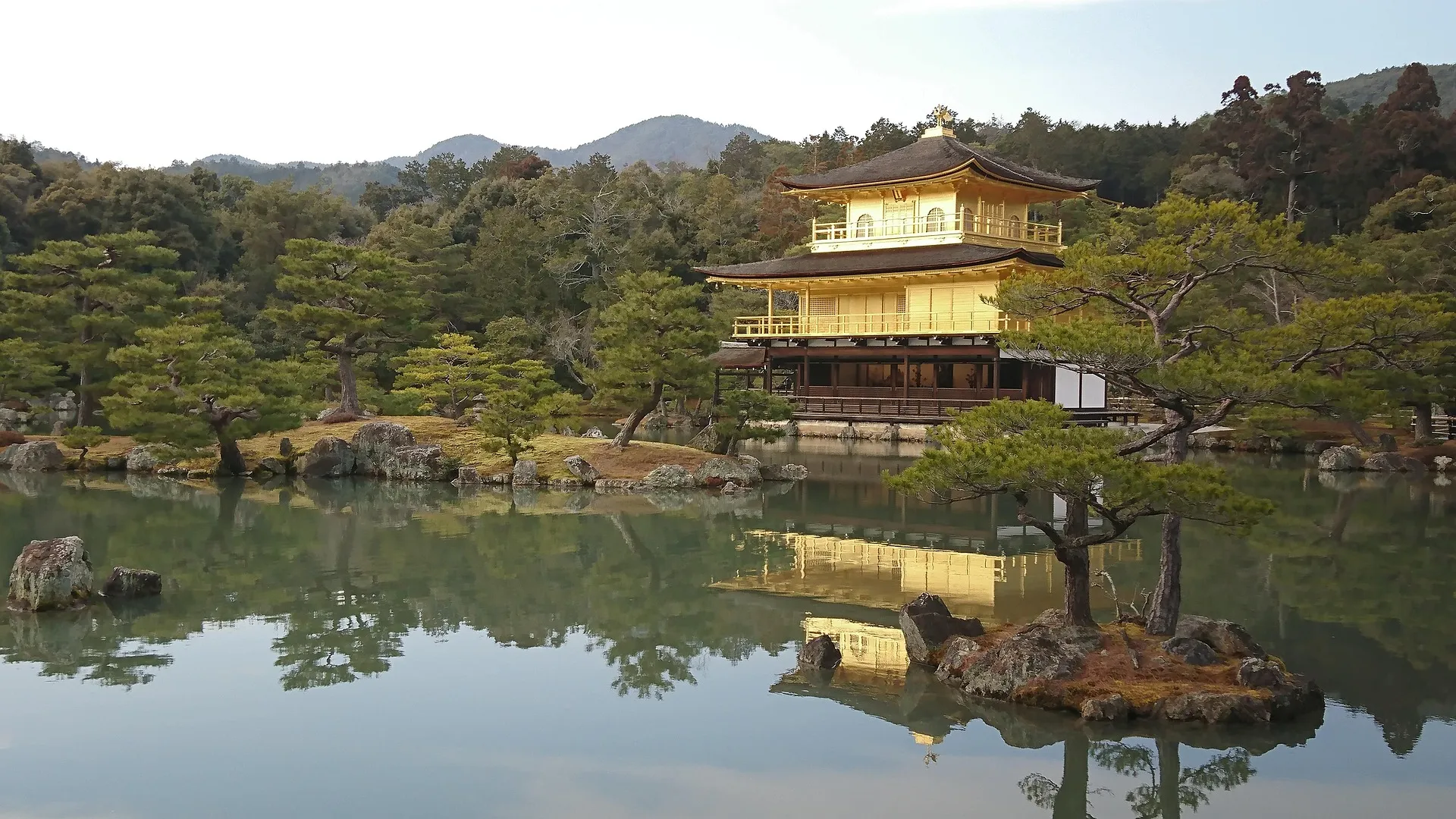
The second layer is religious. Kyoto has a very large number of Buddhist temples and Shinto shrines, built and rebuilt across many centuries. Much of the city was destroyed in the Ōnin War of the 15th century, so many buildings visible today date from later reconstructions. Kinkaku-ji, the Golden Pavilion, is a well-known example of rebuilding in the modern era: the pavilion was burned in 1950 and reconstructed in the following years.
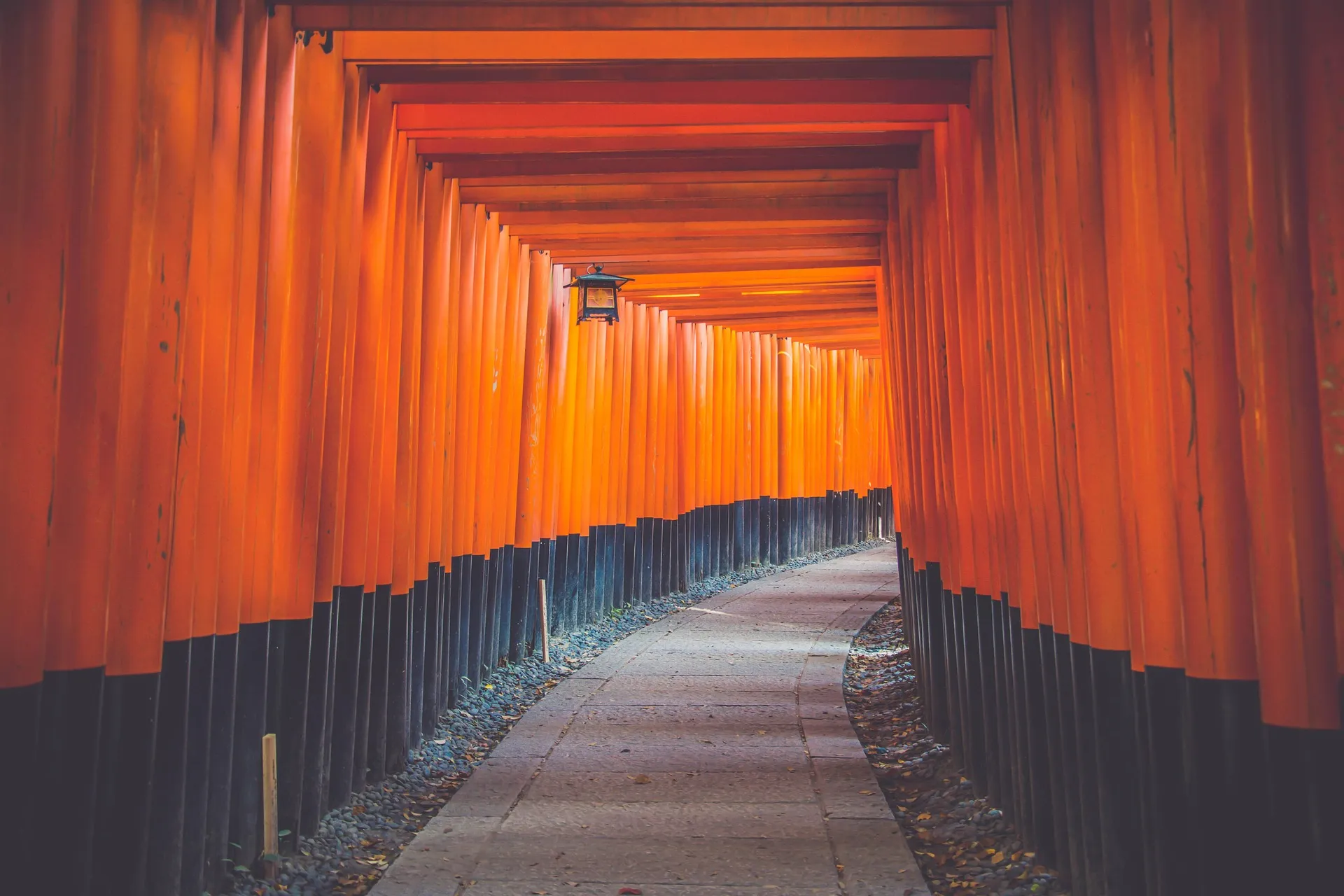
Shinto shrines form a parallel world, marked by torii gates. Some shrines in the Kyoto area, such as Fushimi Inari, are famous for long paths lined with thousands of gates donated by worshippers.
Gardens and small things
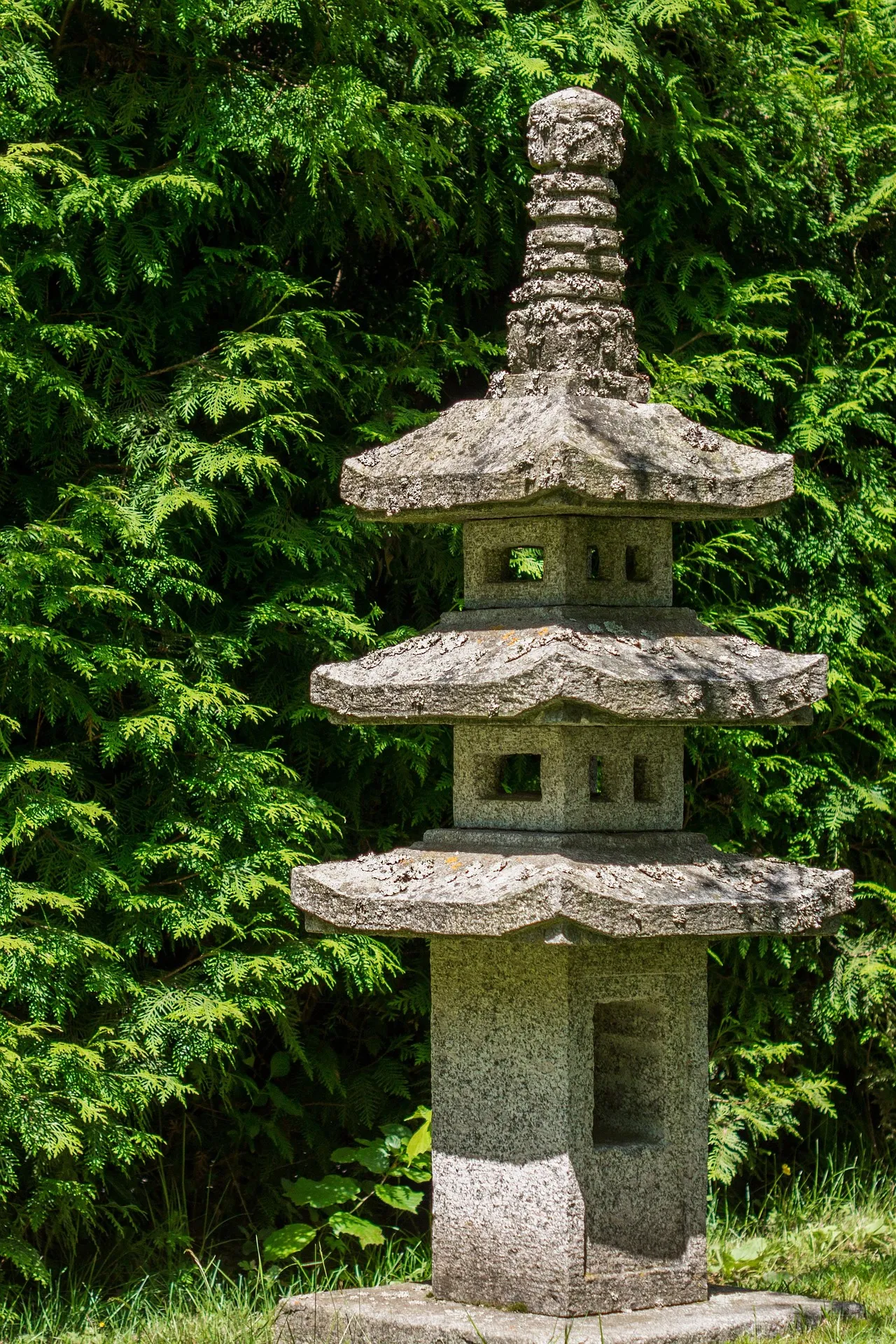
A third layer is the garden. Kyoto's temples are known for landscape design, from the dry rock garden of Ryōan-ji to moss gardens where stone lanterns slowly turn green. Much of the city's beauty is at this scale: a lantern, a stepping stone, a single maple branch.
A living city
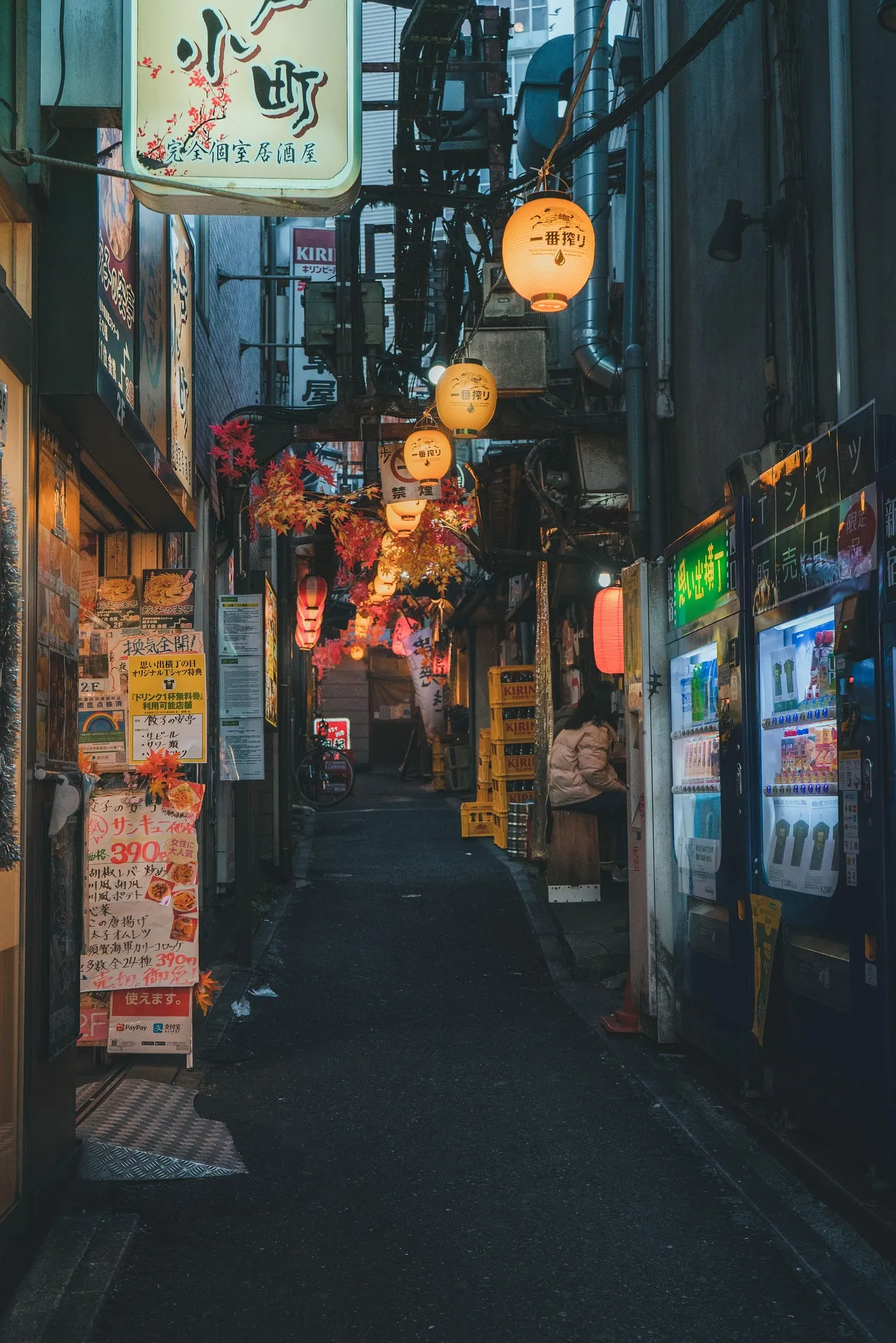
The last layer is easy to forget: Kyoto is a modern city of well over a million people, with offices, universities and ordinary shopping streets. Temple districts like Higashiyama and the old entertainment quarter of Gion sit inside that everyday city rather than apart from it. I think that is what makes Kyoto worth reading slowly, as a place where the past is not fenced off but simply lived around.
Photos: chiemseherin, zitarzheng, pexels, alexanderstein on Pixabay, used under the Pixabay Content License. These are not my photographs.
Related
6 photos
Views: 0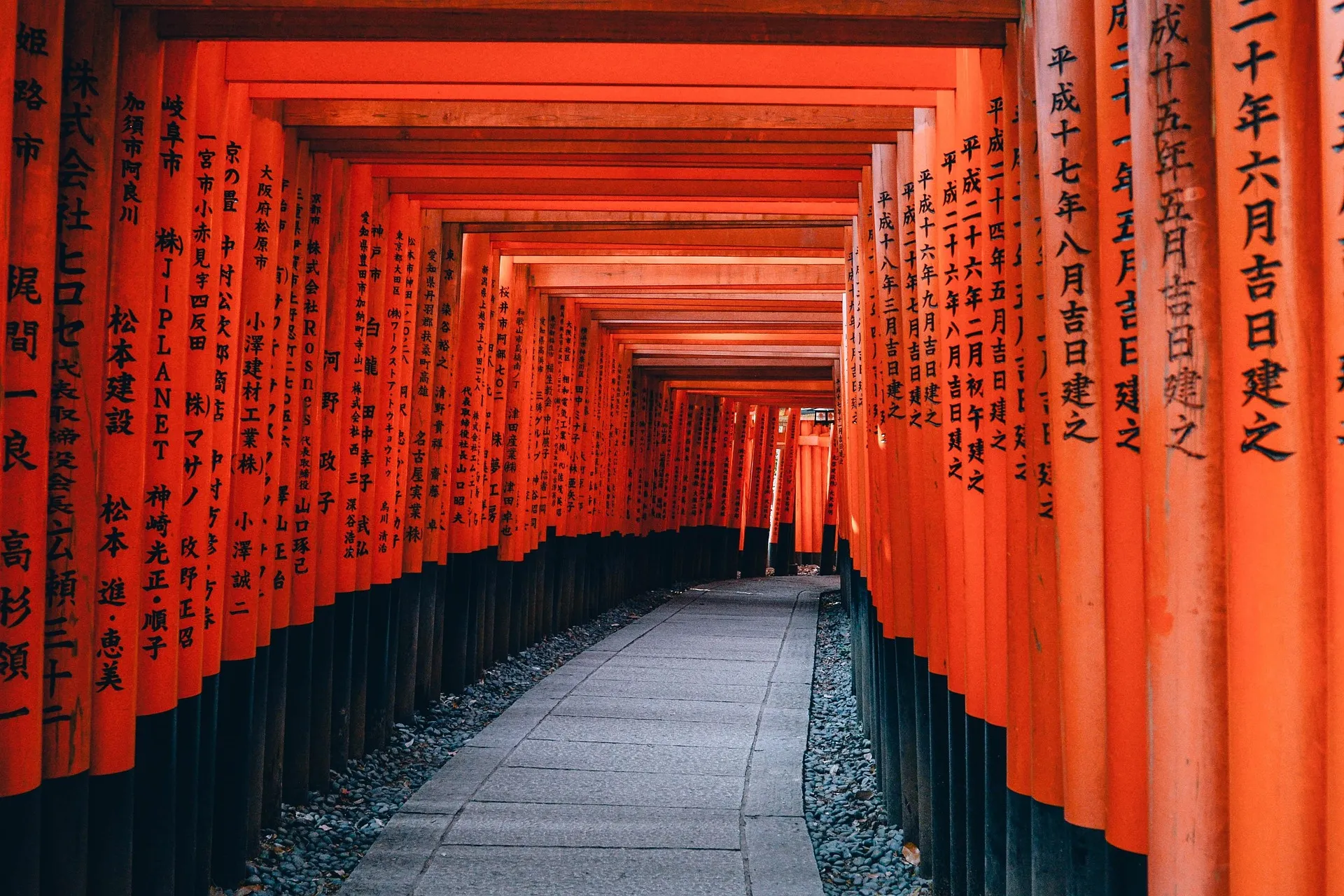
6 photos
Views: 0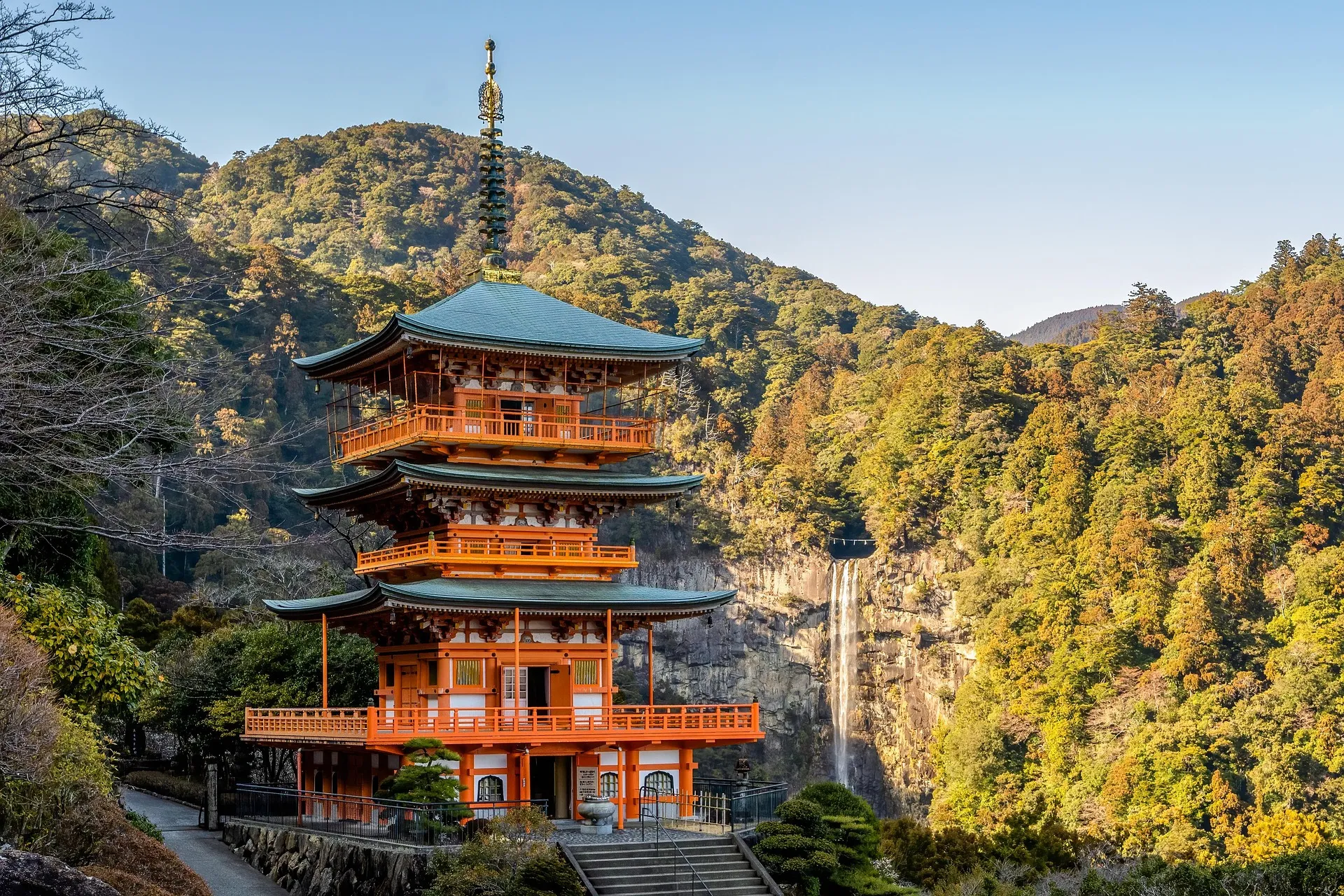
5 photos
Views: 0