
What DEA actually measures
Data Envelopment Analysis comes up in almost everything I read and write. A plain-language note on what it does, and what it does not.
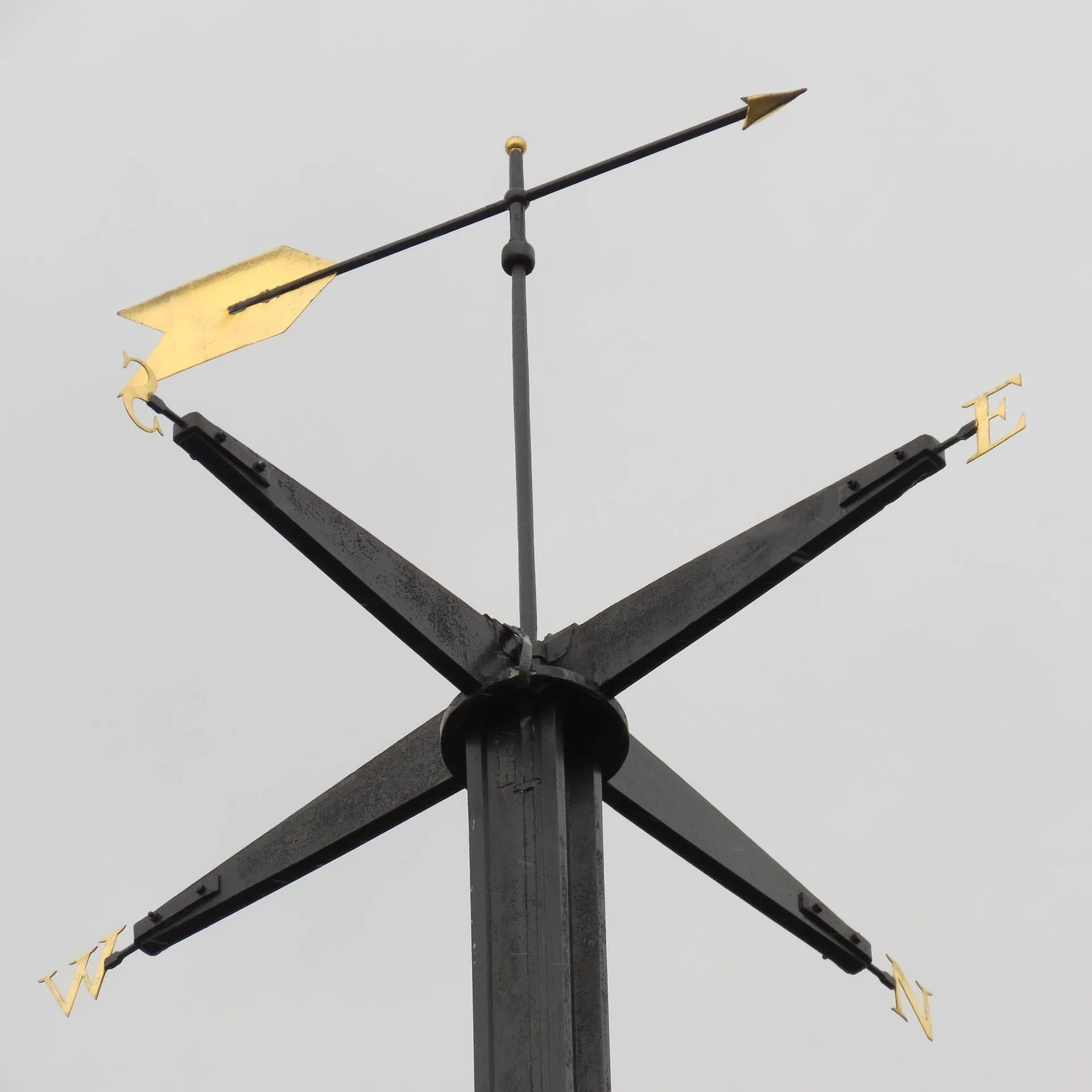
Much of my research uses Data Envelopment Analysis (DEA), and when I explain it to friends outside academia I usually start with a simple picture.
Imagine a group of similar units: bank branches, hospitals, schools, or firms in one industry. Each uses some inputs (staff, capital, energy) to produce some outputs (revenue, patients treated, graduates). DEA asks: given what the others in this group achieve, how well does each unit turn its inputs into outputs?
In DEA language these units are called decision-making units (DMUs). The method uses linear programming to build a "best-practice frontier" from the units that perform best. Units on the frontier get an efficiency score of 1. Units below it get a score less than 1, which shows how far they are from the best observed practice.
A few things make DEA useful:
- It is non-parametric. You do not need to assume a production function in advance.
- It handles many inputs and outputs at once, without needing prices or weights for each one.
- It points to peers. For an inefficient unit, DEA identifies which efficient units it can be compared with.
And a few things to keep in mind:
- Efficiency is relative. A score of 1 means "best in this sample", not "perfect".
- Variable choice matters. Adding or removing an input can change the results considerably.
- Outliers matter. Because the frontier is built from extreme performers, data errors can distort it.
- Sample size matters. A common rule of thumb asks for several times more units than the number of inputs and outputs combined.
The two classic models are CCR (Charnes, Cooper and Rhodes, 1978), which assumes constant returns to scale, and BCC (Banker, Charnes and Cooper, 1984), which allows variable returns to scale. Many later models build on these two.
Photos: mpmpix on Pixabay, used under the Pixabay Content License. These are not my photographs.
Related

1 min readNotes
Views: 2A note about the photos on this site
Most images here right now are by other photographers. Here is where they come from and how they are credited.

2 min readNotes
Views: 1Seeing in black and white
Removing colour is not just a filter. It changes what a photograph is about: light, shape, texture and contrast.

2 min readNotes
Views: 0Keeping a research log
A plain, dated record of what I tried, what happened and what I decided. The simplest research habit with the biggest pay-off.

2 min readNotes
Views: 1Reading research papers without drowning
There are always more papers than time. The reading habits that help me decide what to read closely and what to skim.