
Keeping a research log
A plain, dated record of what I tried, what happened and what I decided. The simplest research habit with the biggest pay-off.
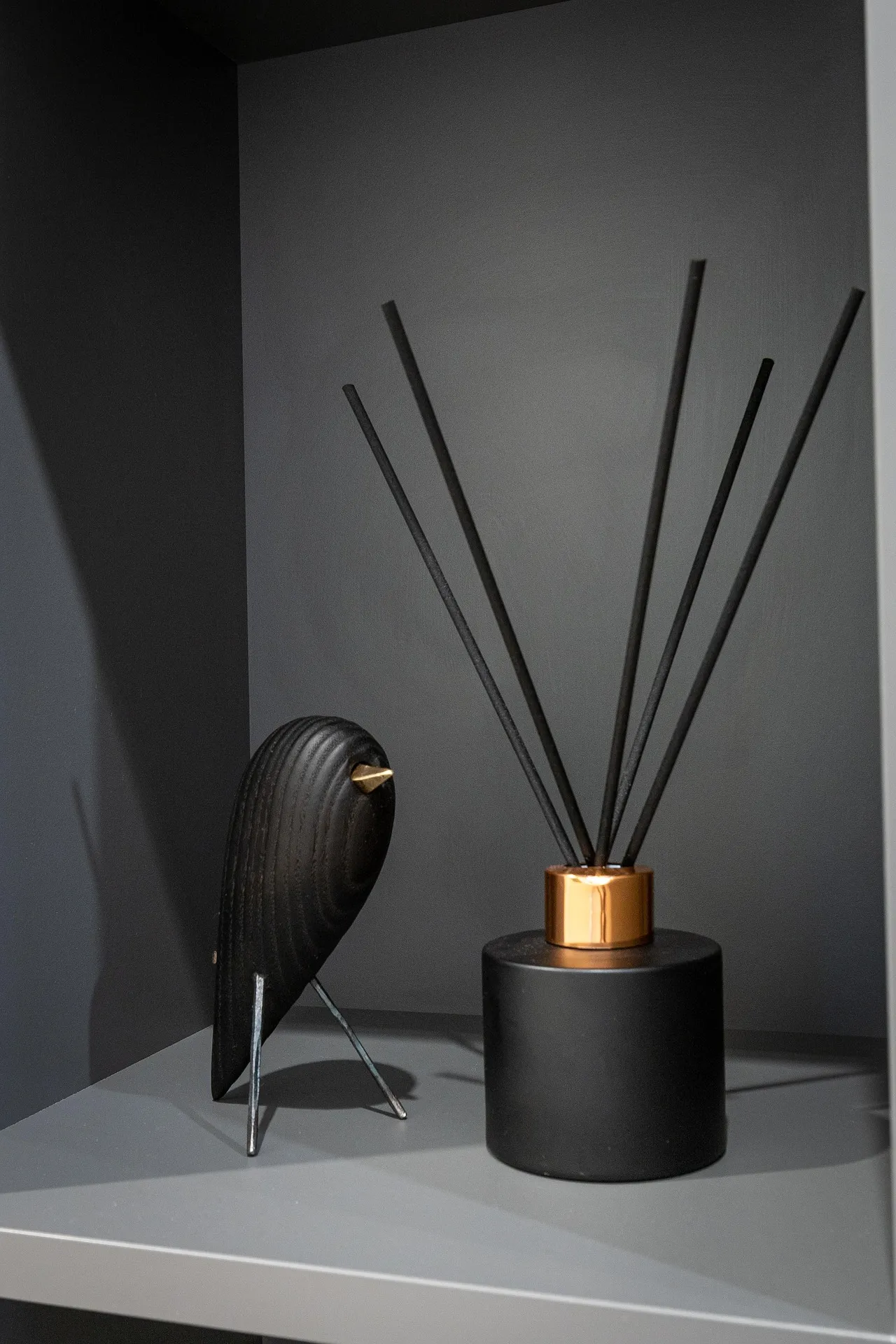
Of all the small habits I picked up in the PhD, the one I would recommend first is a research log: a plain, dated record of what I did and why.
It is not a diary and not a polished notebook. Each entry is short, usually a few lines:
- Date.
- What I did. Ran a model, cleaned a dataset, read three papers, rewrote a section.
- What happened. Results, errors, surprises.
- What I decided, and the reason.
- Next step.
Why it helps:
Decisions are easy to forget. Months later, a reviewer or supervisor asks why a variable was dropped or why a sample starts in a certain year. Without a log, the answer is a guess. With one, it is a search.
Analysis becomes reproducible. In DEA and similar methods, small choices change results: which inputs and outputs, which model, how outliers were handled. Writing down each version, with file names and settings, makes it possible to rebuild a result exactly.
It shows progress on slow days. Research often feels like nothing is moving. Looking back over a month of entries shows that it was.
It makes writing easier. Much of a methods section is already in the log, in rough form.
A few practical choices:
- Keep it in one place. A single text file, a notes app or a paper notebook all work. Consistency matters more than the tool.
- Write it at the end of each working session, while details are fresh.
- Link to files and code versions instead of describing them from memory.
- Record failures too. Approaches that did not work are some of the most useful entries later.
It takes five minutes a day, and it has saved me hours more than once.
Photos: promofocus on Pixabay, used under the Pixabay Content License. These are not my photographs.
Related
1 min readNotes
Views: 2A note about the photos on this site
Most images here right now are by other photographers. Here is where they come from and how they are credited.

2 min readNotes
Views: 1Seeing in black and white
Removing colour is not just a filter. It changes what a photograph is about: light, shape, texture and contrast.

2 min readNotes
Views: 1Reading research papers without drowning
There are always more papers than time. The reading habits that help me decide what to read closely and what to skim.
2 min readNotes
Views: 0Servitization in plain words
Manufacturers selling services, and outcomes, instead of only products. What servitization means and why the digital version is getting so much attention.