
Seeing in black and white
Removing colour is not just a filter. It changes what a photograph is about: light, shape, texture and contrast.
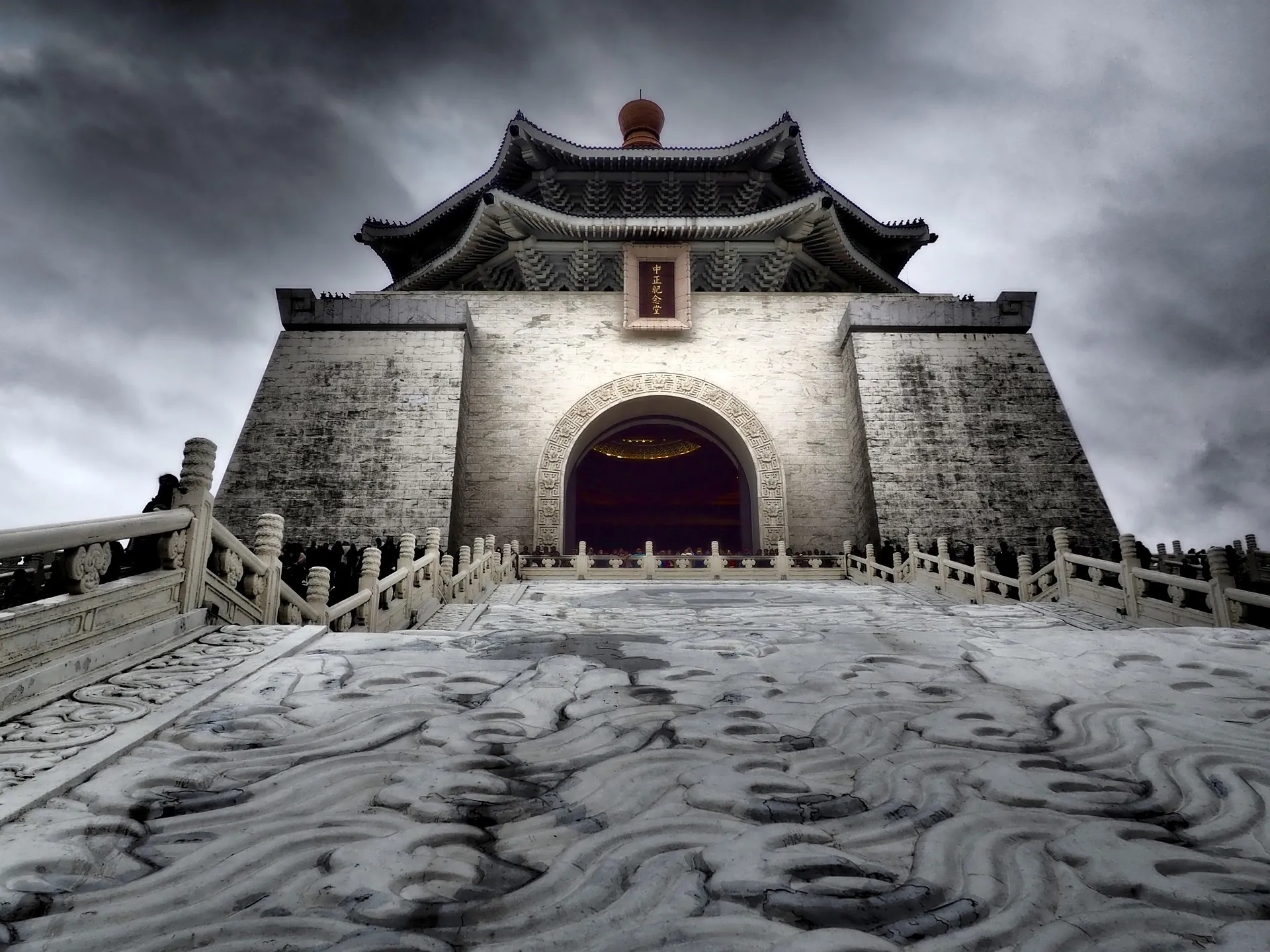
Converting a photo to black and white can look like a shortcut, a way to rescue a picture with bad colour. Done with intent, it is the opposite: it strips the image down to what is left when colour is gone.
What is left is mostly four things.
Tone and contrast. Without colour, the picture is built from light and dark. A scene with strong differences in brightness, such as a pale building against a heavy sky, often works better in monochrome than one where everything sits in the middle grey.
Shape. Silhouettes, outlines and architecture become more important. Clear, simple forms read well.
Texture. Stone, metal, wood, skin and clouds show their surface more clearly when colour no longer competes for attention.
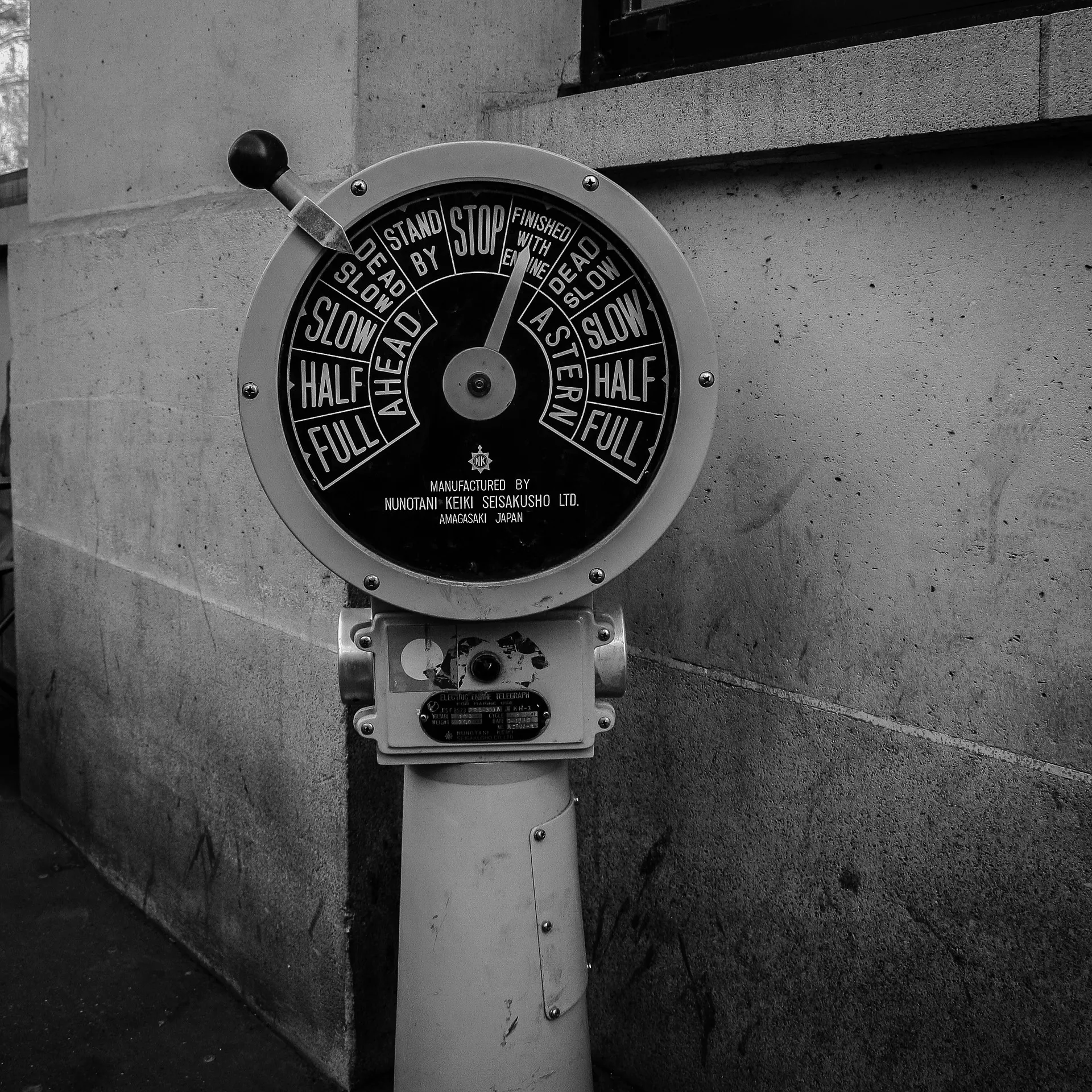
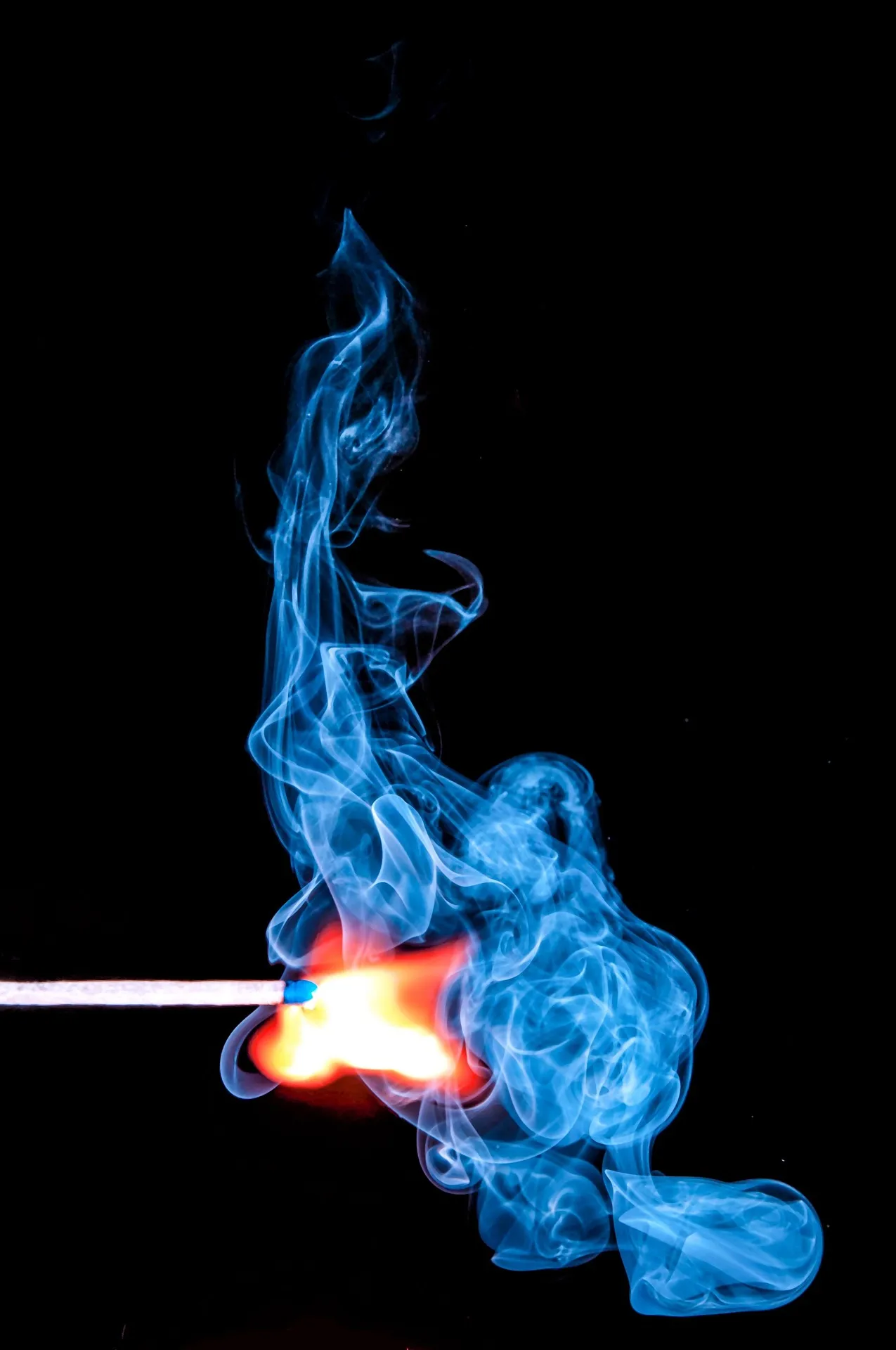
Light itself. Direction and quality of light, hard or soft, become the subject. Light trails at night, for example, turn into pure lines on black.

Some practical notes:
- Colours become greys, and different colours can become the same grey. A red and a green of similar brightness may merge. In editing, adjusting individual colour channels in the conversion lets you separate them, much like colour filters did in film photography.
- Shoot RAW, convert later. A RAW file keeps all the colour information, so you can decide the mix afterwards. Many cameras let you set a monochrome preview on the screen while still recording colour data in the RAW file.
- Ask why. If colour is essential to the scene, such as a red lantern or a blue sky, black and white may take away its point.
The best reason to convert is simple: the picture says more without colour than with it.
Photos: transitjan, macadam13, fishopen770 on Pixabay, used under the Pixabay Content License. These are not my photographs.
Related
1 min readNotes
Views: 2A note about the photos on this site
Most images here right now are by other photographers. Here is where they come from and how they are credited.

2 min readNotes
Views: 0Keeping a research log
A plain, dated record of what I tried, what happened and what I decided. The simplest research habit with the biggest pay-off.

2 min readNotes
Views: 1Reading research papers without drowning
There are always more papers than time. The reading habits that help me decide what to read closely and what to skim.
2 min readNotes
Views: 0Servitization in plain words
Manufacturers selling services, and outcomes, instead of only products. What servitization means and why the digital version is getting so much attention.