
Servitization in plain words
Manufacturers selling services, and outcomes, instead of only products. What servitization means and why the digital version is getting so much attention.
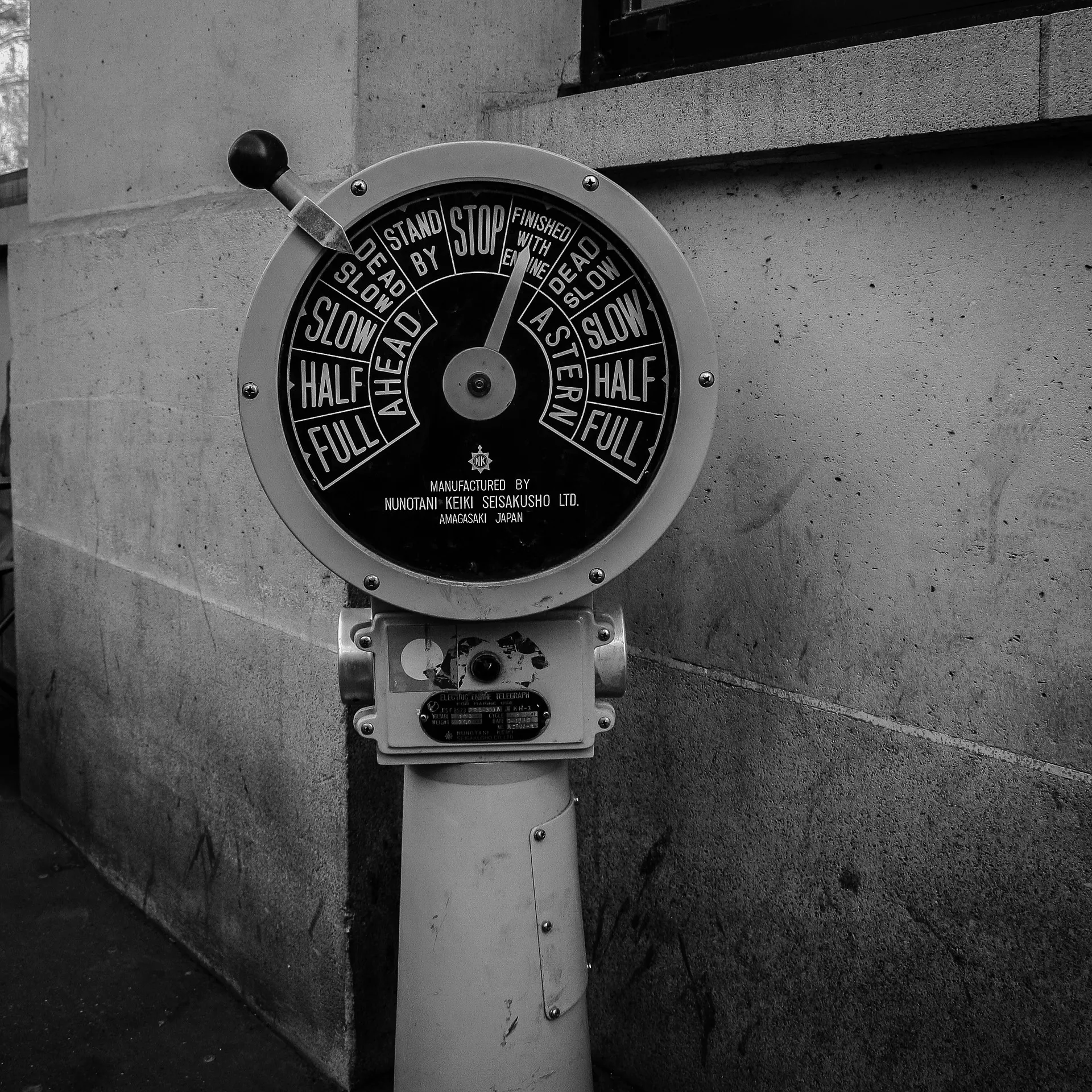
My PhD sits around a word that sounds heavier than it is: servitization.
In plain terms, servitization is when a company that traditionally makes and sells products starts to offer services around them, and sometimes to sell the result of using the product rather than the product itself. The term was introduced in the late 1980s by Sandra Vandermerwe and Juan Rada to describe manufacturers moving in this direction.
A simple ladder helps:
- Product only. You buy a machine; what happens next is your problem.
- Product plus services. Installation, maintenance, spare parts, training.
- Outcome or use. You pay for what the machine delivers, such as hours of operation or output produced, while the maker keeps responsibility for keeping it running.
A frequently cited example is aircraft engine makers charging airlines for engine flying hours, with maintenance included, instead of only selling engines.
Digital servitization adds connected technology to this story. Sensors, connectivity, data platforms and analytics let a company see how its products are used in real time, predict failures, and design services that were not possible before, such as remote monitoring or predictive maintenance.
Why does it matter for competitiveness? Services can create steadier revenue, closer relationships with customers and offerings that are harder for competitors to copy than a product alone. But the literature also discusses a "service paradox": firms invest heavily in services without seeing the expected financial returns, at least for a while.
That gap, between investment and measurable result, is one reason I find efficiency methods like DEA useful. They offer a way to ask whether firms are turning their digital and service resources into performance, and which ones are doing it well.
Photos: macadam13 on Pixabay, used under the Pixabay Content License. These are not my photographs.
Related

1 min readNotes
Views: 2A note about the photos on this site
Most images here right now are by other photographers. Here is where they come from and how they are credited.

2 min readNotes
Views: 1Seeing in black and white
Removing colour is not just a filter. It changes what a photograph is about: light, shape, texture and contrast.

2 min readNotes
Views: 0Keeping a research log
A plain, dated record of what I tried, what happened and what I decided. The simplest research habit with the biggest pay-off.

2 min readNotes
Views: 1Reading research papers without drowning
There are always more papers than time. The reading habits that help me decide what to read closely and what to skim.