
Composition with lines and frames
Two of the oldest ideas in composition, leading lines and frames within the frame, and why they still work.
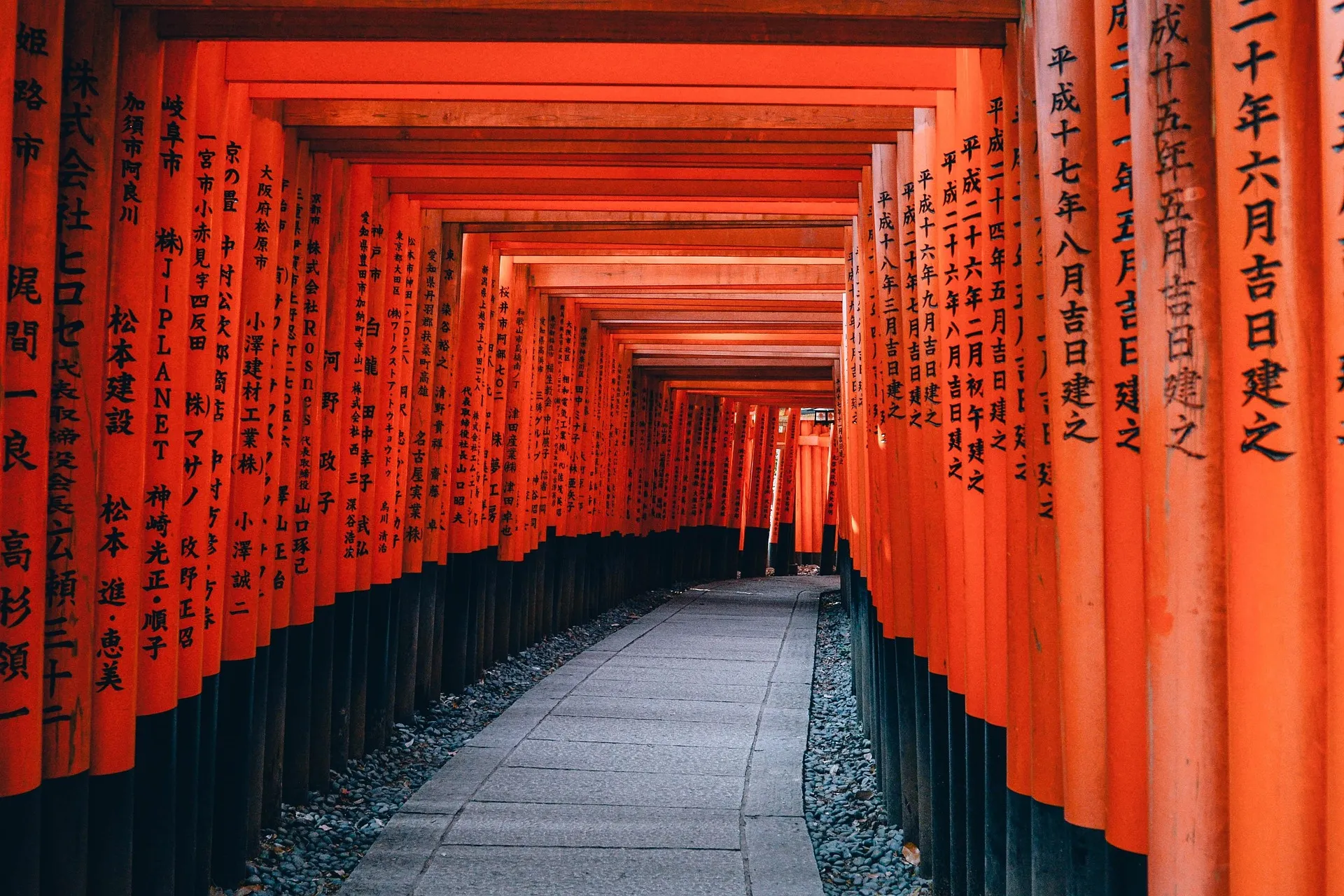
Most composition advice comes down to one question: where does the eye go first, and where does it go next? Lines and frames are two simple ways to answer it.
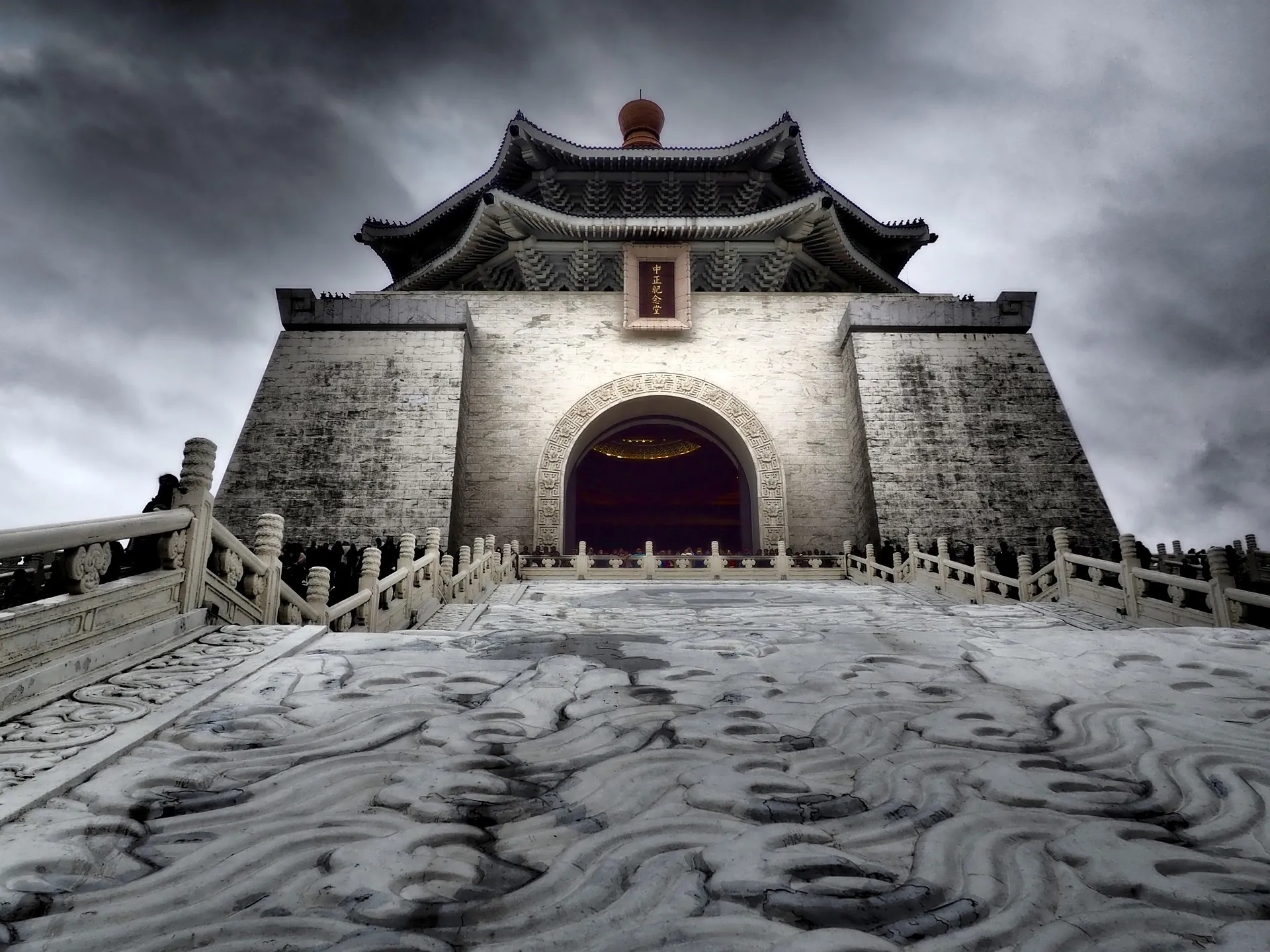
Leading lines. Roads, railings, rivers, rows of pillars, the edges of buildings: any line in the picture pulls the eye along it. A line that starts near a corner and runs into the frame invites the viewer in. Lines that converge toward one point add depth, because they echo how perspective works in real space.
Repetition. A row of gates or columns is a line made of many parts. Repeated shapes create rhythm, and a break in that rhythm, such as a person or a gap, becomes a natural focal point.
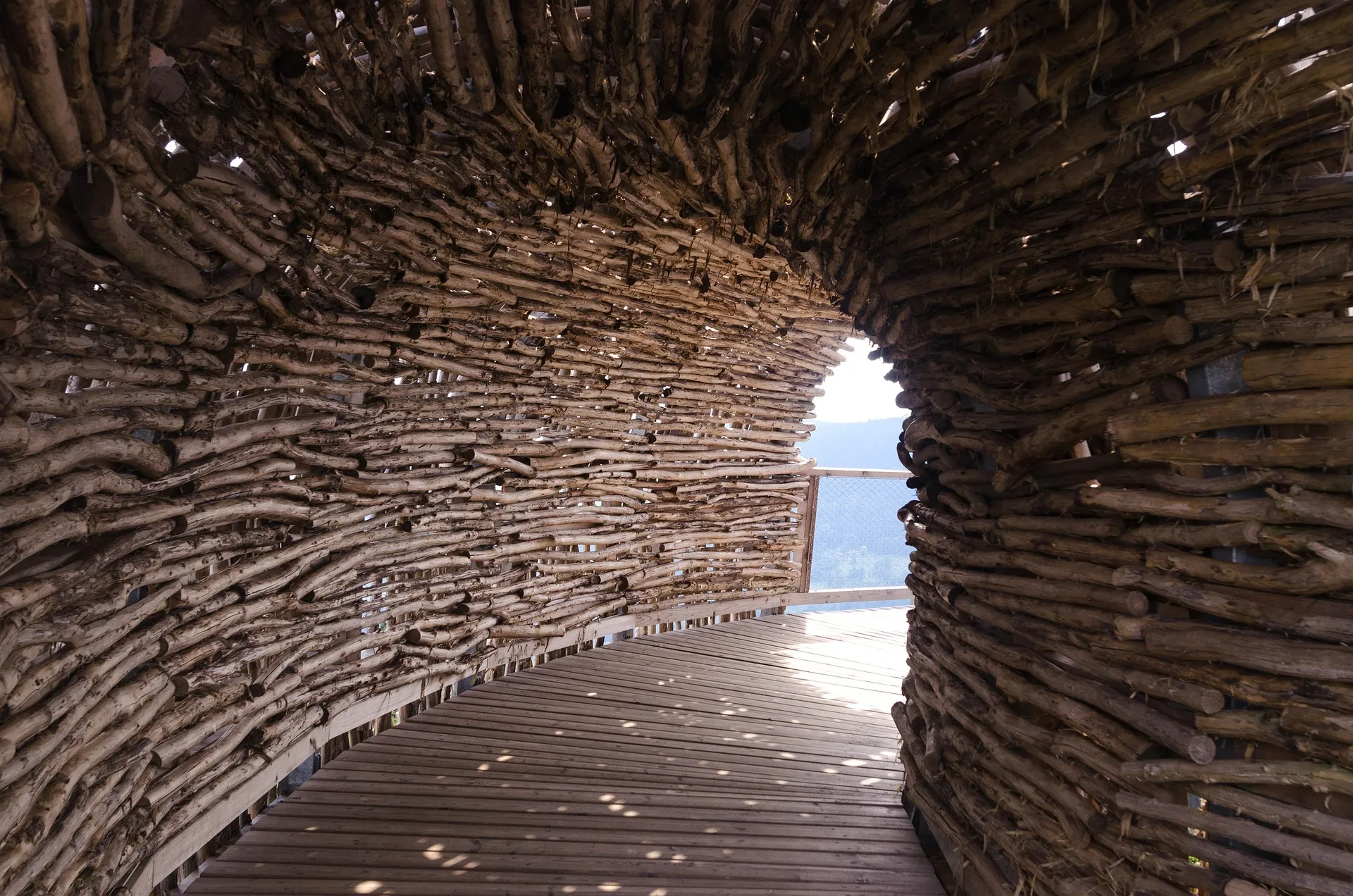
Frames within the frame. Doorways, windows, arches, overhanging branches and tunnels all form a second border inside the photograph. They separate the subject from its surroundings, hide distracting edges and give a sense of looking through into another space. The frame does not need to be complete or sharp; a dark shape on one or two sides is often enough.
Looking down or up. Changing the angle can turn ordinary streets into strong geometry. From above, a narrow street becomes a line between blocks of building.
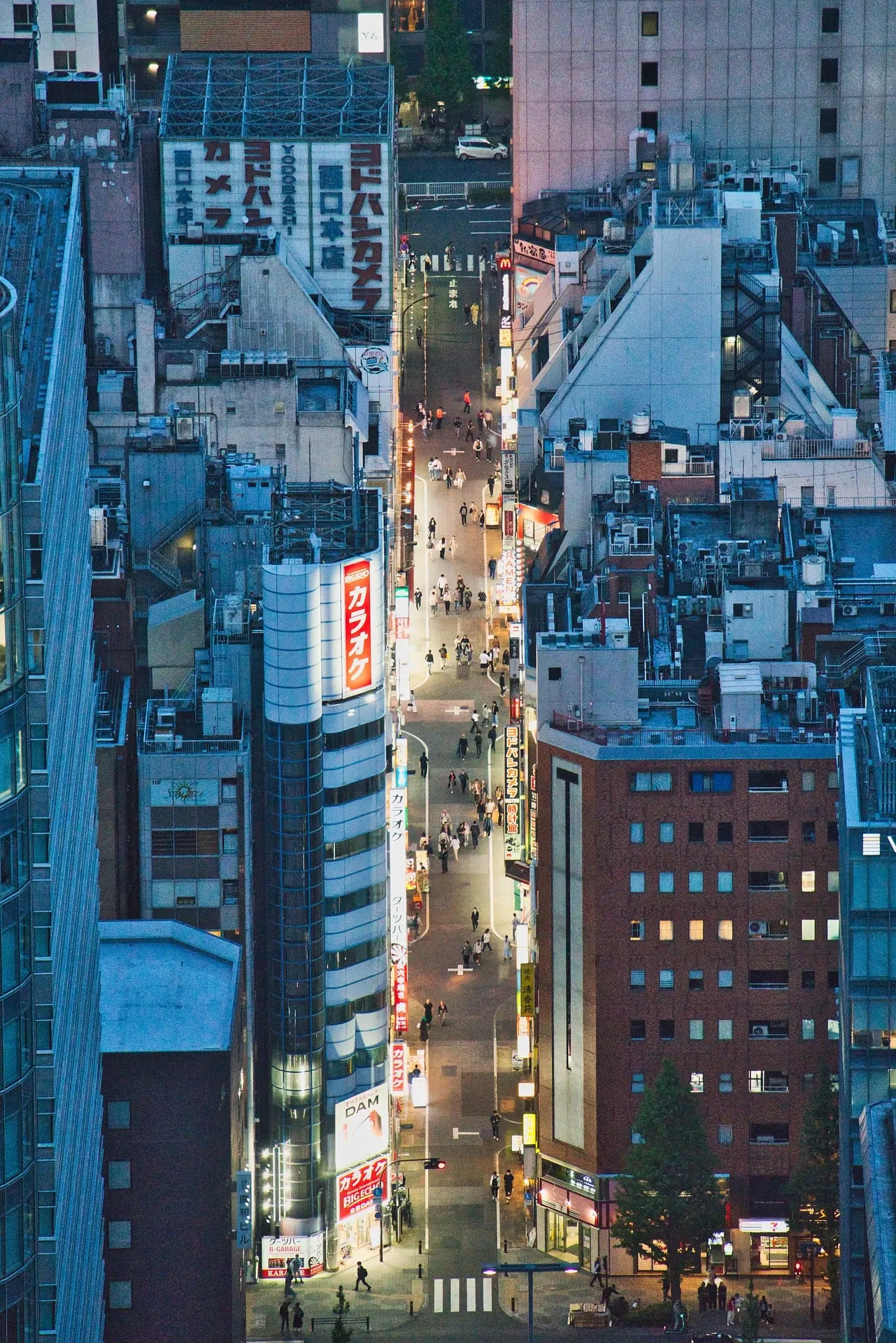
The rule of thirds, loosely. Placing a subject or horizon about a third of the way in, rather than in the dead centre, often feels more balanced. But symmetry is also a choice. A tunnel of gates or a long straight road can be strongest when perfectly centred.
None of these are rules to obey. They are habits of looking, useful mostly when a picture feels wrong and you want to understand why.
Photos: pexels, goumbik, r-q on Pixabay, used under the Pixabay Content License. These are not my photographs.
Related
1 min readNotes
Views: 2A note about the photos on this site
Most images here right now are by other photographers. Here is where they come from and how they are credited.
2 min readNotes
Views: 1Seeing in black and white
Removing colour is not just a filter. It changes what a photograph is about: light, shape, texture and contrast.
2 min readNotes
Views: 0Keeping a research log
A plain, dated record of what I tried, what happened and what I decided. The simplest research habit with the biggest pay-off.

2 min readNotes
Views: 1Reading research papers without drowning
There are always more papers than time. The reading habits that help me decide what to read closely and what to skim.