
Between two clocks
Industry runs on quarters, research runs on years. Moving from one to the other is mostly about learning a new sense of time.
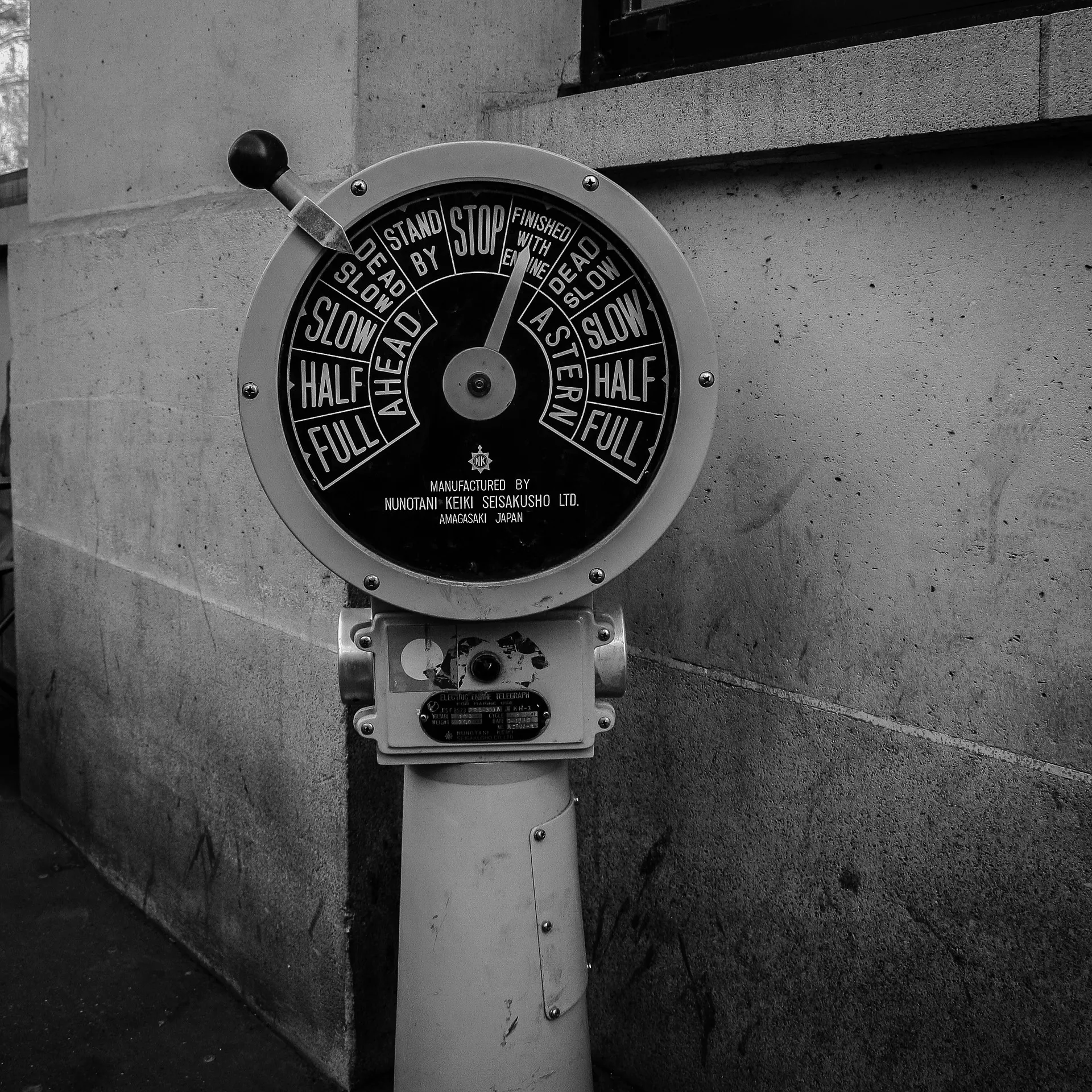
After several years in marketing and business development, the biggest adjustment of a PhD has not been the theory or the statistics. It has been the clock.
In industry, time is short and loud. A campaign has a launch date, a report is due on Monday, a client wants an answer by the end of the day. Work is judged by whether it moved a number this month. That rhythm is not bad. It teaches you to decide with incomplete information, to ship something good enough, and to listen to the people who will actually use what you make.
Research runs on a different clock. A paper can take a year from first idea to submission, and longer before it is published. The reward for speed is small; the cost of a careless assumption is large, because someone may build on your result long after you have moved on.

I used to think one of these rhythms was right and the other was wrong. Now I think each one corrects the blind spot of the other.
Industry is good at asking does this matter to anyone? Academia is good at asking is this actually true? A company can be very efficient at answering the wrong question. A researcher can spend years answering a question nobody needs answered.
My topic sits right on that border: how firms use digital tools and services to stay competitive. The managers I used to work alongside cared about results they could see. The literature I read now cares about mechanisms and evidence. I would like my work to be useful to the first group and rigorous enough for the second.
So I try to keep both clocks running. The slow one for the work itself, and the fast one as a quiet reminder that, somewhere outside the library, someone is waiting for an answer they can use.
Photos: macadam13, chris810 on Pixabay, used under the Pixabay Content License. These are not my photographs.
Related
1 min readThoughts
Views: 0Learning to look slowly
Research and photography look like opposite habits. Both turn out to be training in attention.

2 min readThoughts
Views: 0Being a foreign student, again
An MBA and now a PhD in Taiwan, with work in between. Some thoughts on what it means to keep choosing to be the newcomer.

2 min readThoughts
Views: 0Working with data honestly
Most dishonesty with data is not dramatic. It is a series of small, convenient choices that nobody else sees.

2 min readThoughts
Views: 0Attention, from the other side of the feed
I spent years helping brands win attention on social media. Now I think more about how to protect my own.