
Working with data honestly
Most dishonesty with data is not dramatic. It is a series of small, convenient choices that nobody else sees.
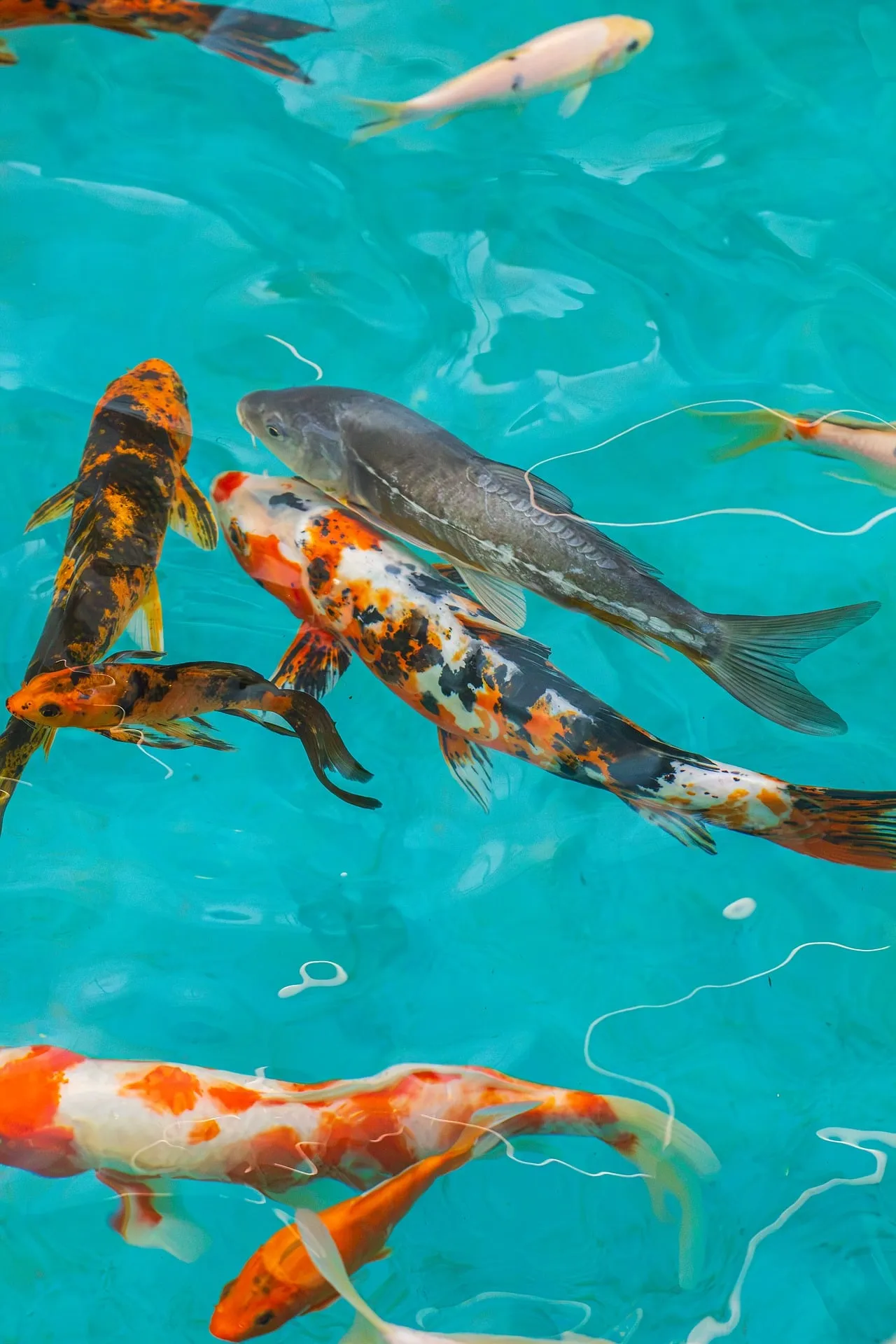
When people talk about research misconduct, they usually mean dramatic cases: fabricated data, copied papers. Those are real and serious. But I suspect the more common risk is quieter, and it lives in the small decisions everyone makes while working alone with a dataset.
Which observations to drop as outliers. Which control variables to include. Which model specification to report when several were tried. Which time period to analyse. Each choice can be defended on its own. Together, if they all lean in the direction you were hoping for, they can produce a result that looks solid and is not.
Marketing has its own version. Pick the date range where the campaign looks best, compare against the weakest benchmark, highlight the metric that went up and stay quiet about the one that went down. I have seen how easy that is, because the incentives point that way.
So I try to follow a few simple habits.
Decide before looking, where possible. Write down the question, the variables and the main model before seeing the results. It is much harder to fool yourself when the plan is on paper.
Keep a log. Note every cleaning step and every model I try, including the ones that "did not work". The log is mostly for my future self, who will not remember why a choice was made.
Report what did not fit. Results that go against the main story are information, not embarrassment. Mentioning them usually makes a paper more convincing, not less.
Describe limits plainly. Every dataset has gaps. Saying where they are lets readers judge the result themselves.
None of these ideas are original; they are standard advice in good research practice. The hard part is applying them when nobody is watching and a cleaner result is one small decision away. Honest work with data, I think, is less about rules than about wanting the true answer more than the nice one.
Photos: engin_akyurt on Pixabay, used under the Pixabay Content License. These are not my photographs.
Related
1 min readThoughts
Views: 0Learning to look slowly
Research and photography look like opposite habits. Both turn out to be training in attention.

2 min readThoughts
Views: 0Being a foreign student, again
An MBA and now a PhD in Taiwan, with work in between. Some thoughts on what it means to keep choosing to be the newcomer.

2 min readThoughts
Views: 0Attention, from the other side of the feed
I spent years helping brands win attention on social media. Now I think more about how to protect my own.

2 min readThoughts
Views: 0Letting an idea rest
Not every problem gets better when you push harder. Some only get clearer once you step away and let them sit.