
Letting an idea rest
Not every problem gets better when you push harder. Some only get clearer once you step away and let them sit.

There is a kind of work that responds well to effort. Answer the emails, clean the dataset, format the references. The more hours you put in, the more gets done.
Then there is the other kind: framing a research question, finding the argument that holds a paper together, deciding what a result actually means. That kind does not always respond to effort. Sometimes pushing harder just produces more words around the same confusion.
I am slowly learning to treat these two kinds of work differently.
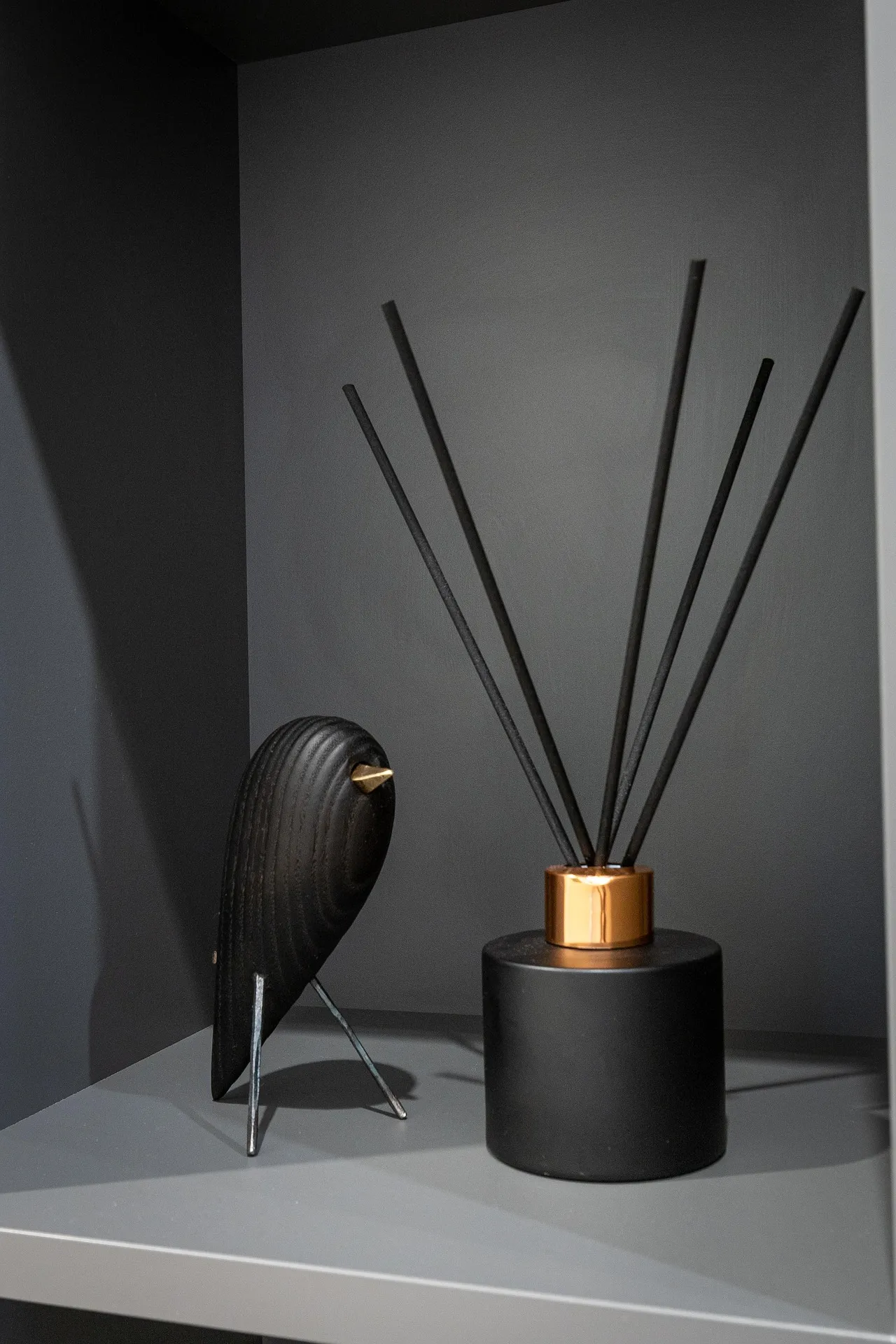
For the second kind, what helps is often a pause. Write down where the thinking is stuck, as clearly as possible, then do something else. Read something unrelated, walk, cook, sleep on it. When I come back, the problem is not solved by magic, but it often looks simpler. A sentence that seemed essential turns out to be decoration. A connection that was hidden becomes obvious.
I do not think this is mysterious. Stepping away loosens the grip of the first framing you chose. Coming back with slightly fresh eyes lets you see it as a choice rather than a fact.
The difficulty is that resting looks like doing nothing, and most of us were trained to feel guilty about that. In my marketing years, a quiet afternoon felt like falling behind. There was always another post to schedule or another number to check.
Research has given me permission, and in fact a reason, to treat slowness as part of the method. Letting an idea rest is not the same as abandoning it. It is more like letting tea steep: you cannot hurry it, and taking it out too early only gives you something thin.
So I try to leave room in a week for thoughts to settle. Not much. Just enough that the work has time to become clear before I decide what it means.
Photos: dungthuyvunguyen, promofocus on Pixabay, used under the Pixabay Content License. These are not my photographs.
Related
1 min readThoughts
Views: 0Learning to look slowly
Research and photography look like opposite habits. Both turn out to be training in attention.

2 min readThoughts
Views: 0Being a foreign student, again
An MBA and now a PhD in Taiwan, with work in between. Some thoughts on what it means to keep choosing to be the newcomer.

2 min readThoughts
Views: 0Working with data honestly
Most dishonesty with data is not dramatic. It is a series of small, convenient choices that nobody else sees.

2 min readThoughts
Views: 0Attention, from the other side of the feed
I spent years helping brands win attention on social media. Now I think more about how to protect my own.