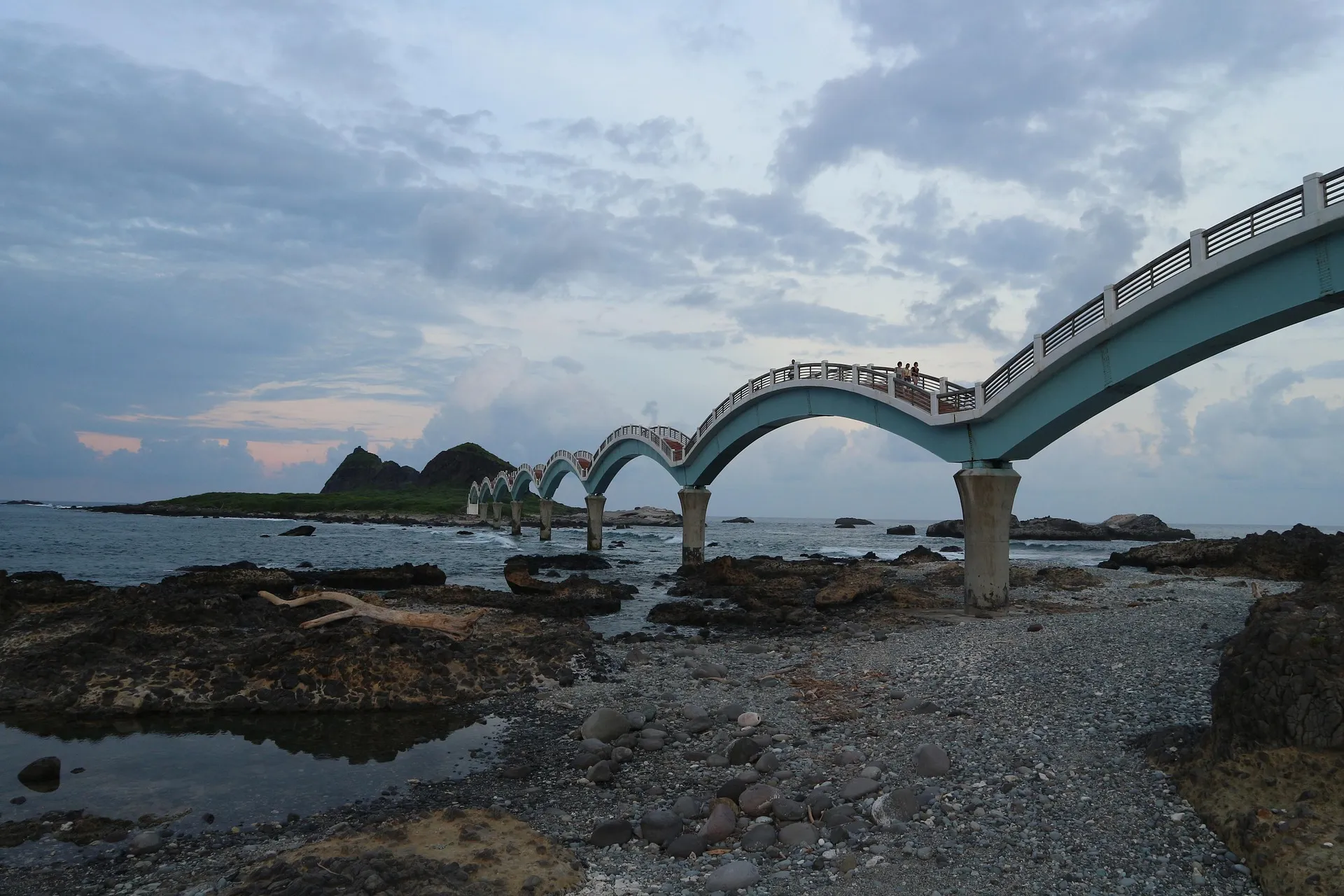
The Matsu Islands: granite villages at the edge of the strait
A small archipelago off the coast of Fujian, named after the sea goddess, shaped by decades as a military frontier and known today for stone villages and glowing seas.

The Matsu Islands are among the most remote corners of Taiwan, and among the most distinctive. Together they form Lienchiang County, a scatter of islands and islets off the coast of Fujian, near the mouth of the Min River. The Chinese mainland is far closer than the main island of Taiwan, which lies on the other side of the strait.
A name from the sea goddess
The islands share their name with Mazu, goddess of the sea. Local tradition holds that her body came ashore on Nangan, the main island, and a temple there honours her. Whatever one makes of the legend, it says a lot about how closely these islands have always been tied to fishing and the sea.
Stone villages
Most of Matsu's settlers came from the coast of eastern Fujian, and they brought their way of building with them. Houses are made of granite blocks, with small windows and roof tiles weighed down by stones against the wind, stacked on steep slopes above sheltered coves. Qinbi, on Beigan, is the best-known village, and its stone houses facing the sea are the islands' most famous image. The local language is the Fuzhou variety of Eastern Min, not the Taiwanese Hokkien heard on the main island.
The frontier years
For decades after 1949, Matsu was a front line. The islands remained under military administration until 1992, with a large garrison. Tunnels cut into the granite, such as the Beihai Tunnel on Nangan, were dug so that boats could shelter from attack. Many of these sites are now open to visitors, and they give the islands a sober, layered history.
Blue tears and seasons
Matsu is known for its "blue tears", a glow in the water caused by bioluminescent plankton, usually seen on dark nights from late spring into summer. Spring is also the season of sea fog, which can delay flights for hours or longer. Autumn is often calmer and clearer, while winter is cold and windy by Taiwanese standards.
Getting there
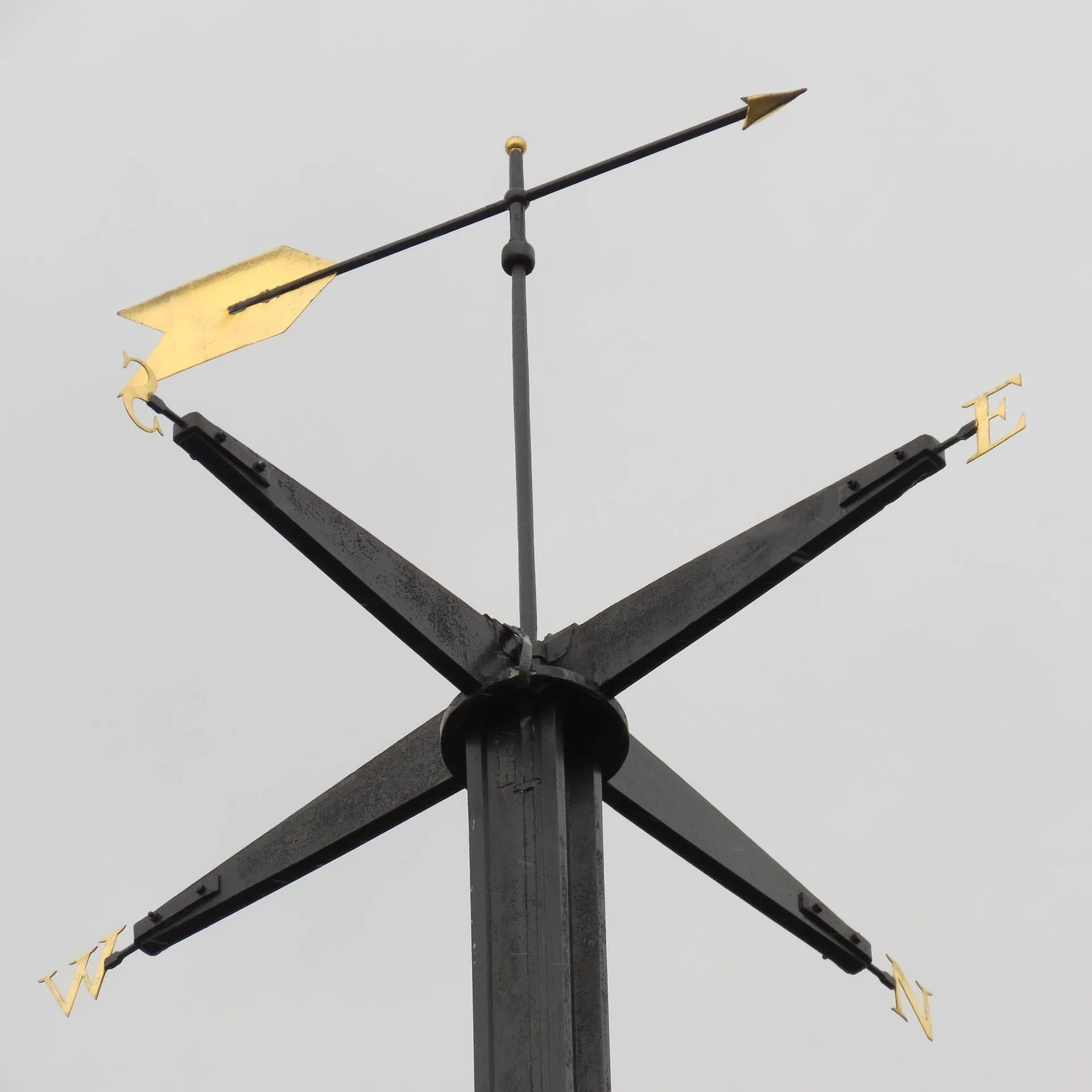
Flights link the main island of Taiwan with the airports on Nangan and Beigan, and an overnight ferry runs from Keelung. Within the archipelago, small boats connect the main islands. Because of the weather, it is wise to leave a spare day in any plan.
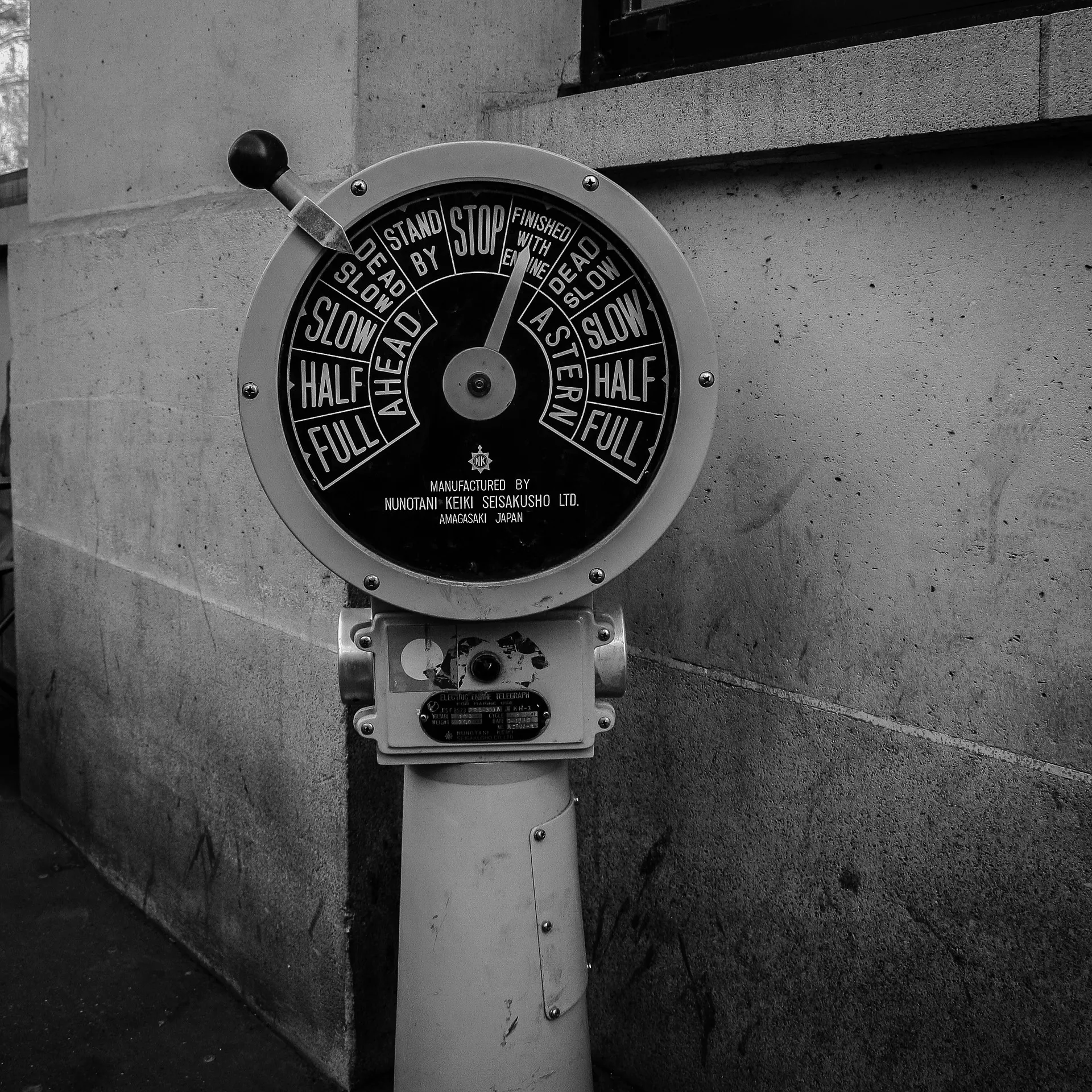
Matsu feels like a different Taiwan: smaller, quieter and built of stone.
Photos: 12019, mpmpix, macadam13 on Pixabay, used under the Pixabay Content License. These are not my photographs.
Related
7 photos
Views: 1