
Hội An old town: practical notes
Yellow walls, the Thu Bồn river and lanterns at night. Hội An is famous for good reasons, and a few simple choices make it much more enjoyable.
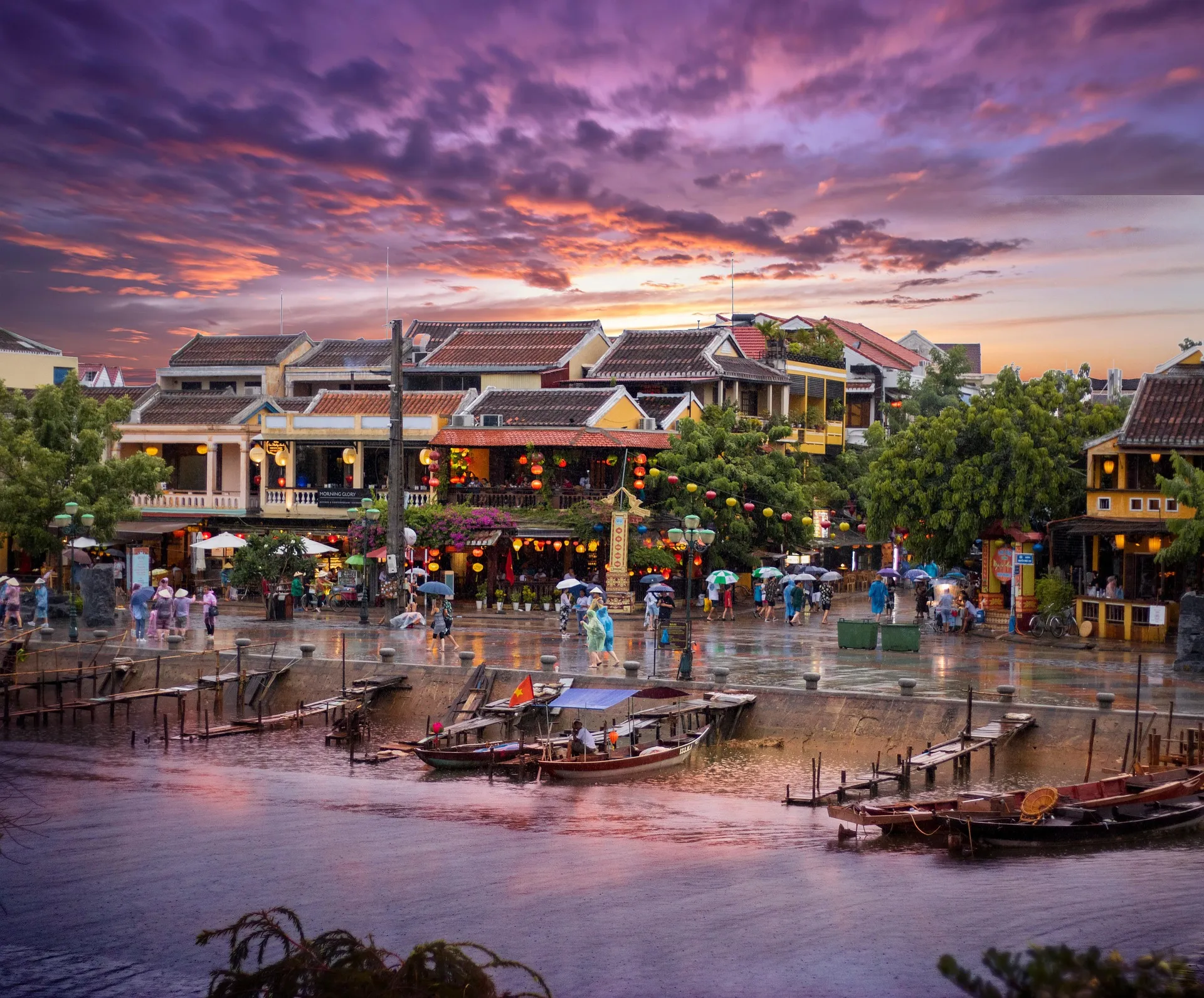
Hội An was a busy trading port from roughly the 15th to the 19th century, where Vietnamese, Chinese, Japanese and European merchants met. When the river silted up and trade moved elsewhere, the town was left largely as it was. That is why the old town survives, and why it was listed as a UNESCO World Heritage Site in 1999.
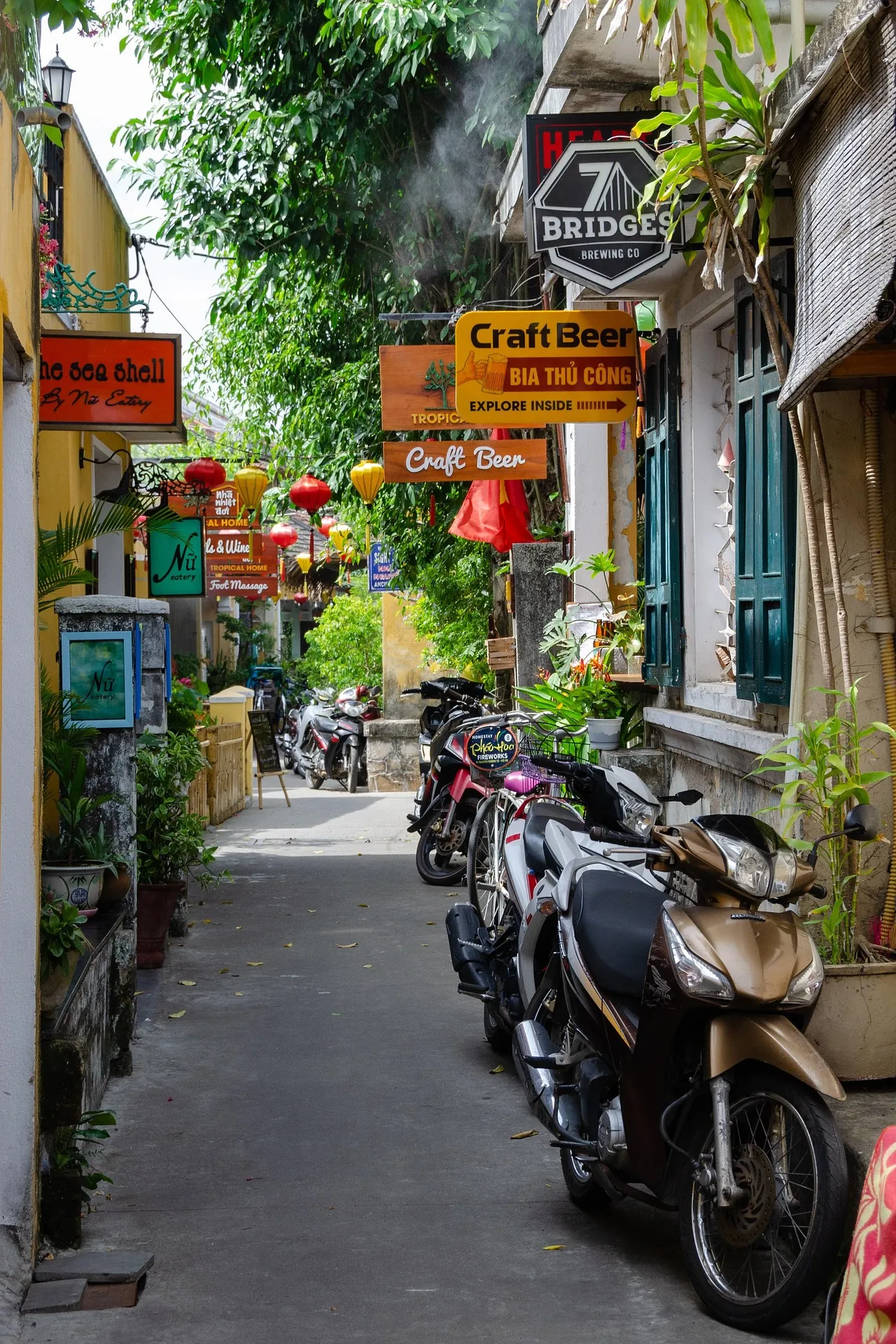
What to see
- The Japanese Covered Bridge (Chùa Cầu), the town's best-known symbol, traditionally linked to the Japanese community of the early 17th century.
- Assembly halls built by Chinese communities from Fujian, Guangdong and elsewhere, with carved roofs and quiet courtyards.
- Old merchant houses, long and narrow, opening onto the street at the front and towards the river at the back.
Entry to many of these is through the old town ticket, which also supports conservation.
Timing
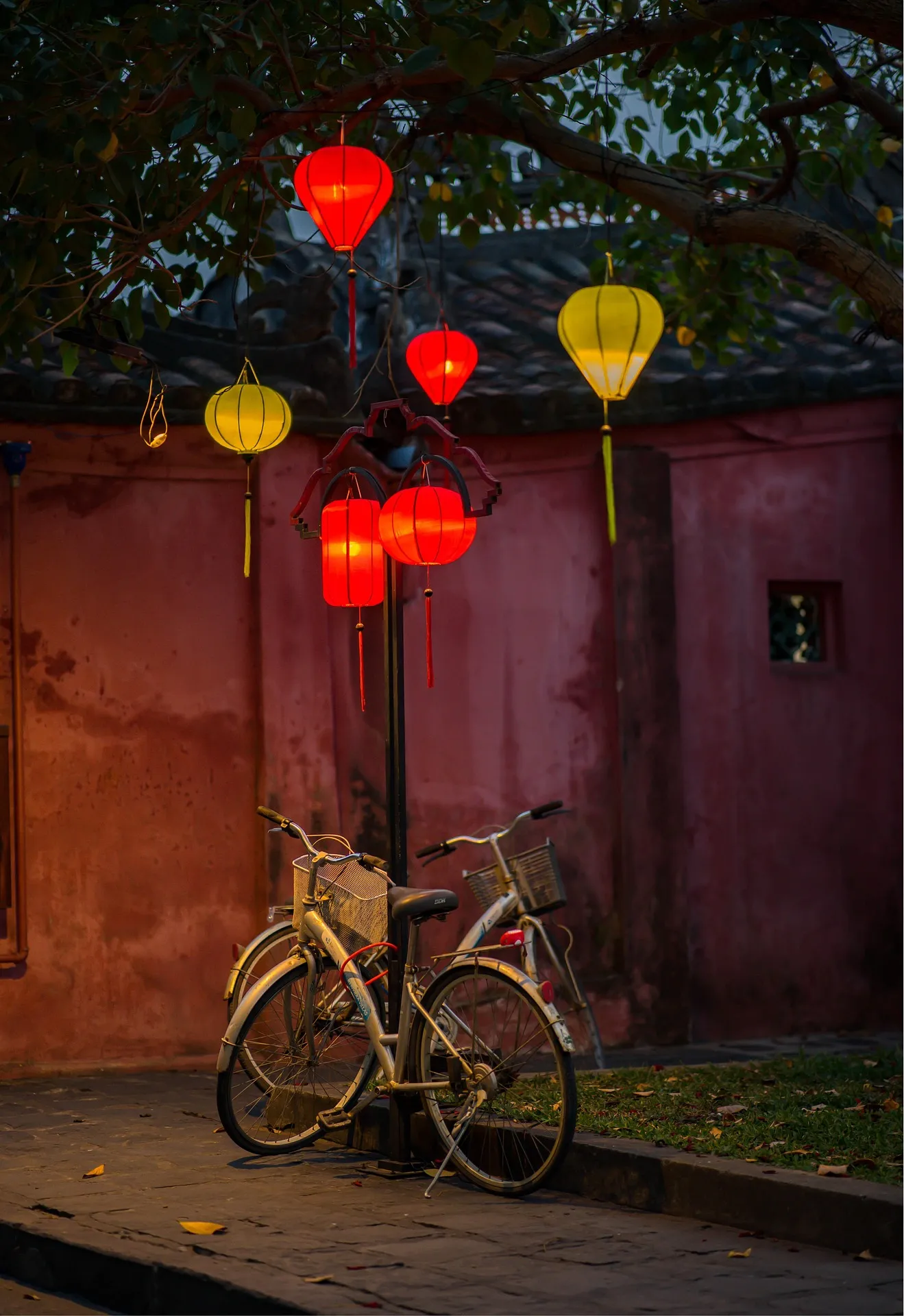
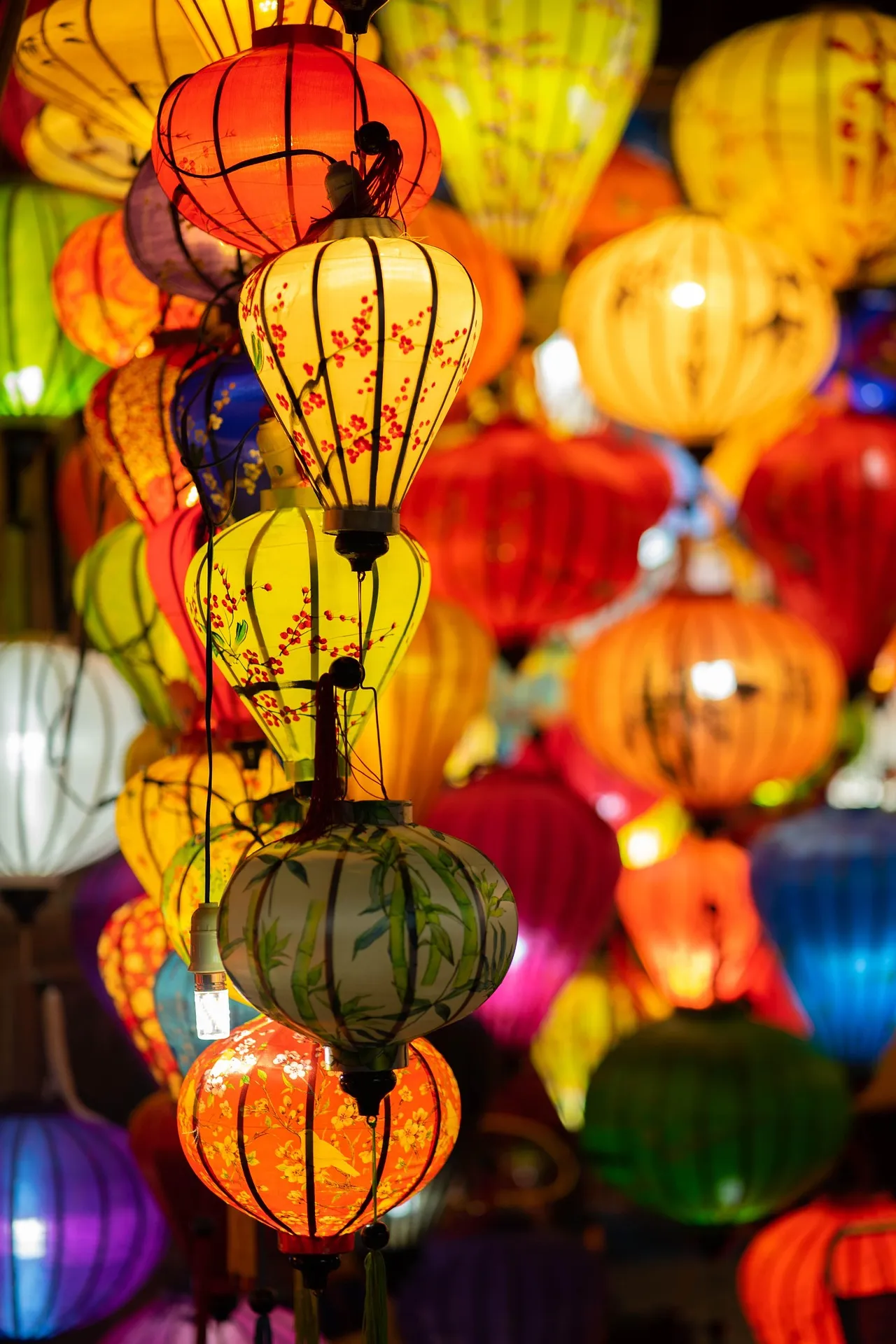
The old town is lovely early in the morning, when the streets are almost empty and the light is soft on the yellow walls. Midday is hot and crowded. In the evening the lanterns come on, and on the nights around the full moon of each lunar month the town is known for turning down electric lights in favour of lanterns.
The rainy season in central Vietnam runs roughly through autumn and early winter, and the old town can flood. If you visit then, keep your plans flexible.
Be a considerate visitor
People still live and work in these houses. Ask before photographing them, keep doorways clear, and buy from the families who run the small shops. Tailors in Hội An are famous; give them a few days and agree on the details clearly.
Most of all, walk slowly. Hội An is small, and it is best enjoyed without a schedule.
Photos: picart98, pen_ash, thuanvo on Pixabay, used under the Pixabay Content License. These are not my photographs.
Related
1 min readTravel
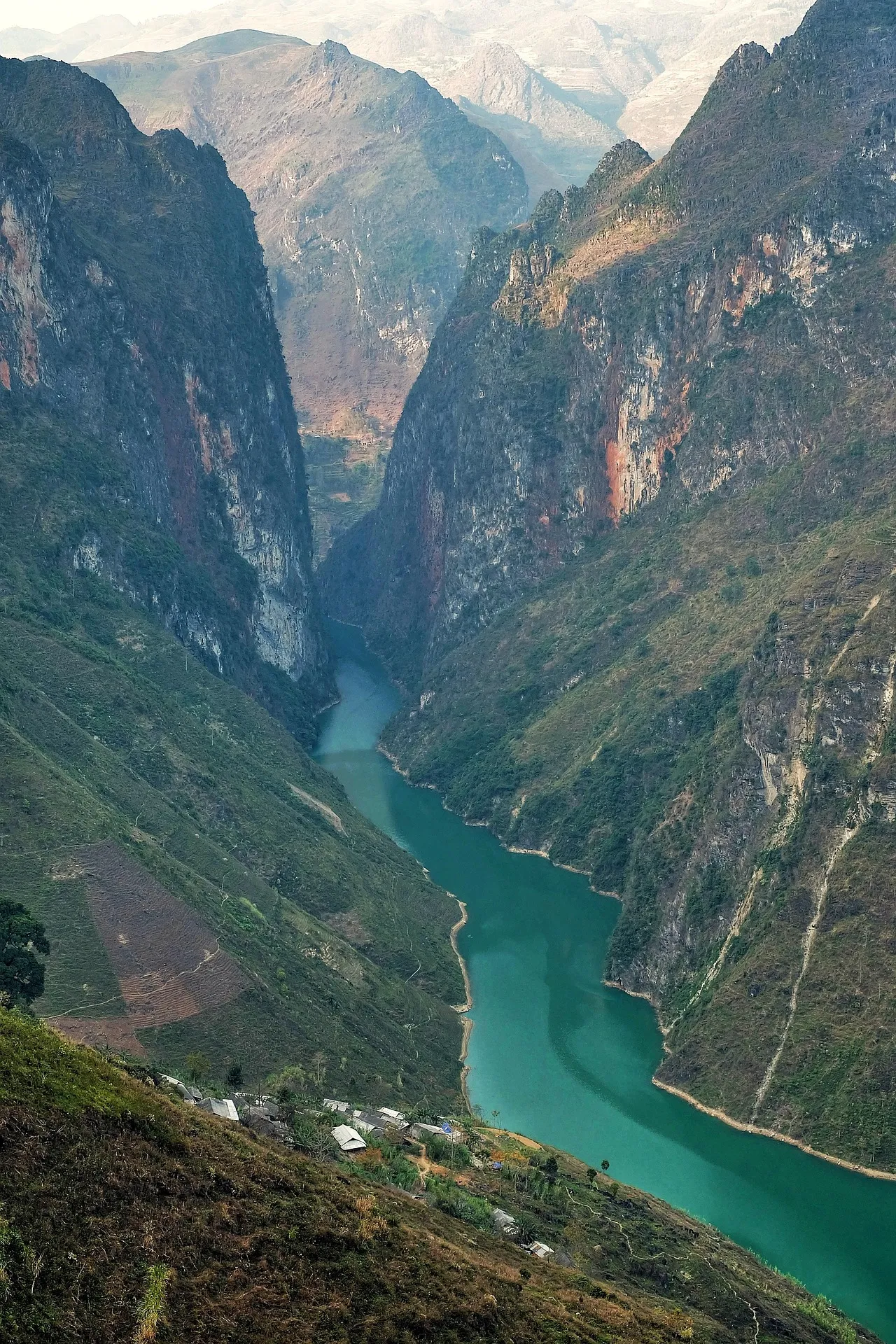
Views: 4Hà Giang: notes for a first trip north
Vietnam's northernmost province is all limestone, switchbacks and river canyons. A few things worth knowing before you go.
2 min readTravel
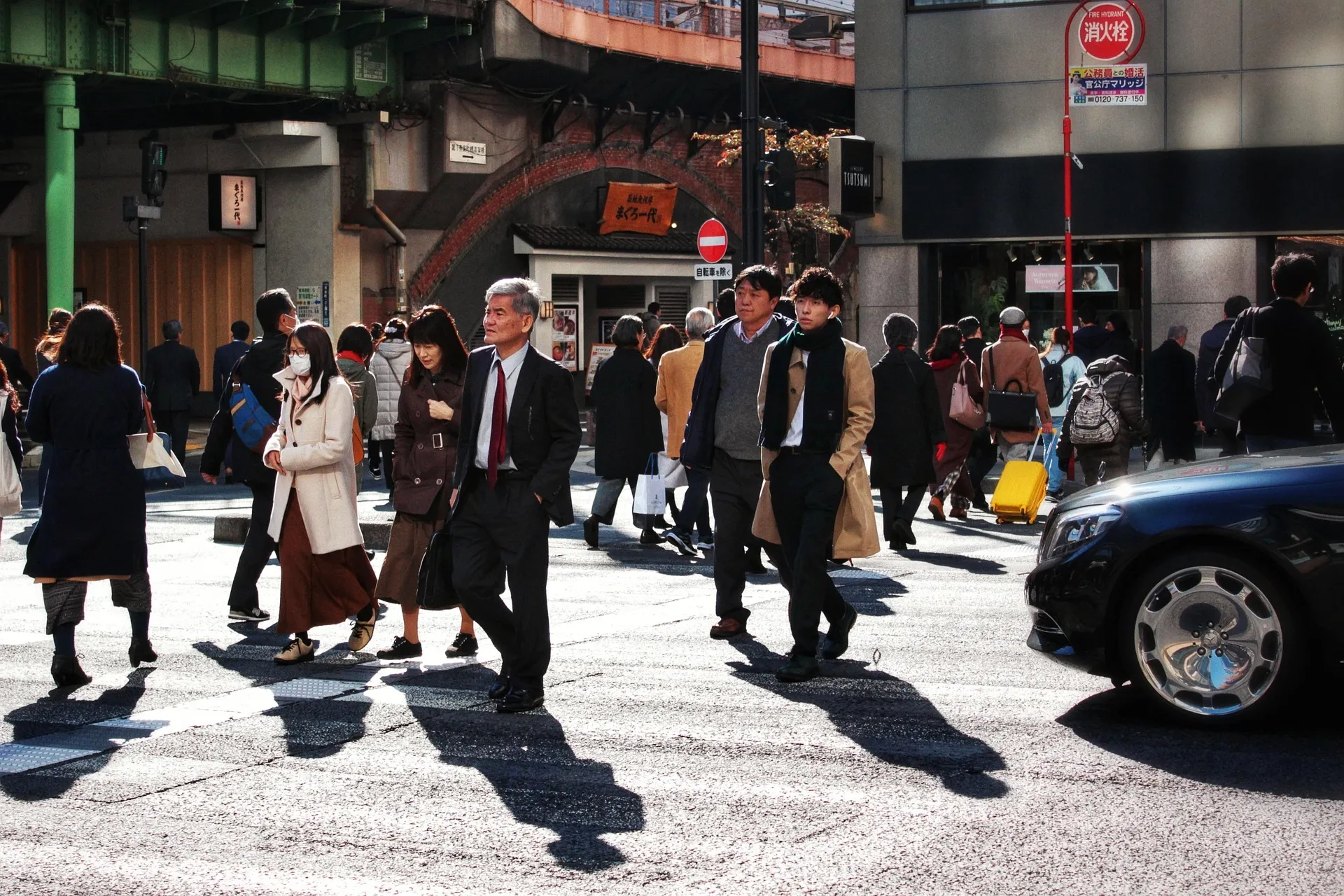
Views: 1Transport cards in Taiwan and Japan: the one thing to buy first
A rechargeable transport card saves time on trains, buses and even at the convenience store. A quick explainer for Taiwan and Japan.
2 min readTravel
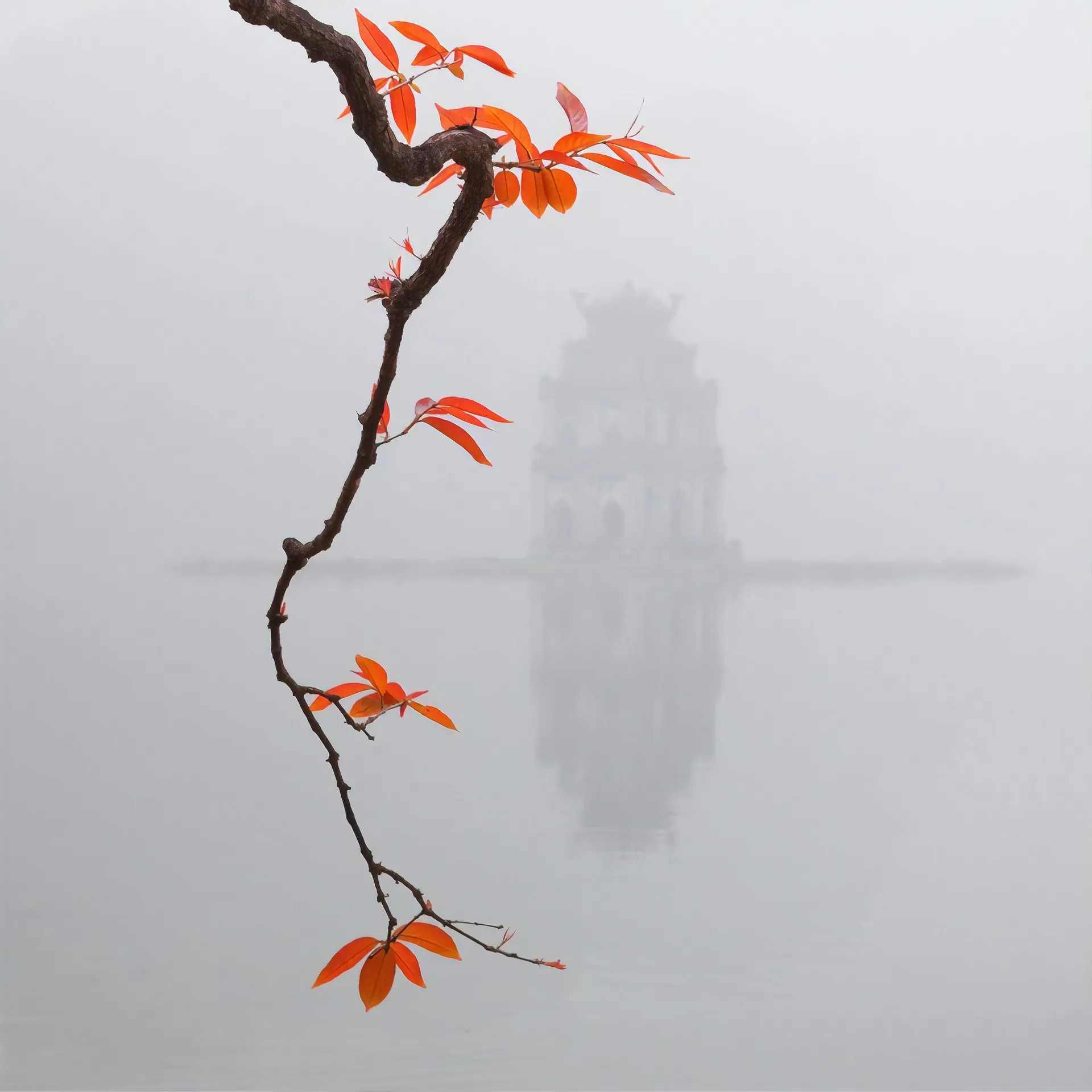
Views: 0A slow walk around Hoàn Kiếm Lake
The small lake at the heart of Hanoi is the easiest way into the city: a legend, a temple, an old quarter next door, and a walk anyone can do.
2 min readTravel
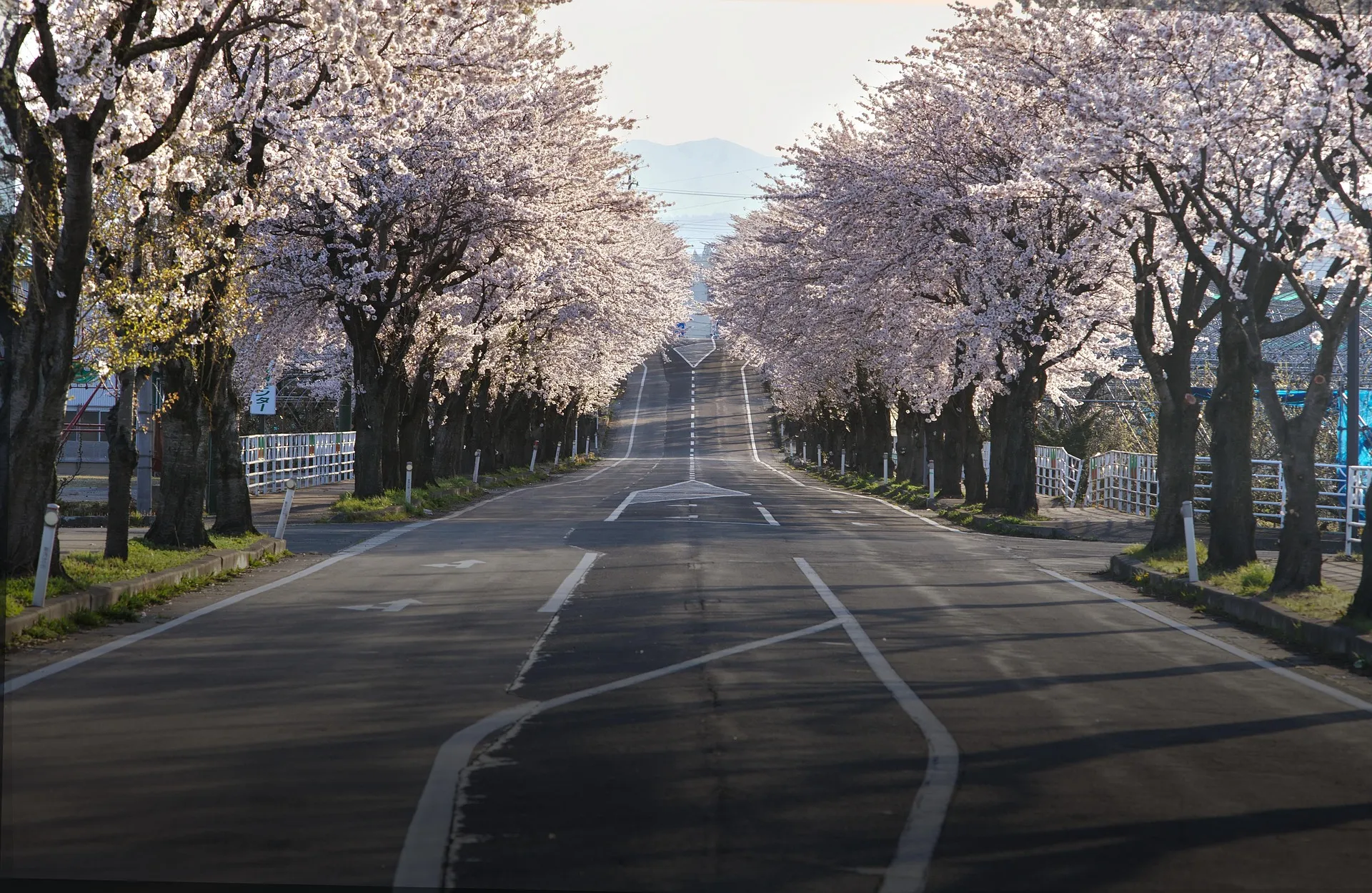
Views: 0Planning around cherry blossom season in Japan
Cherry blossoms are beautiful and brief, and their timing changes every year. How to plan a trip around them without being disappointed.